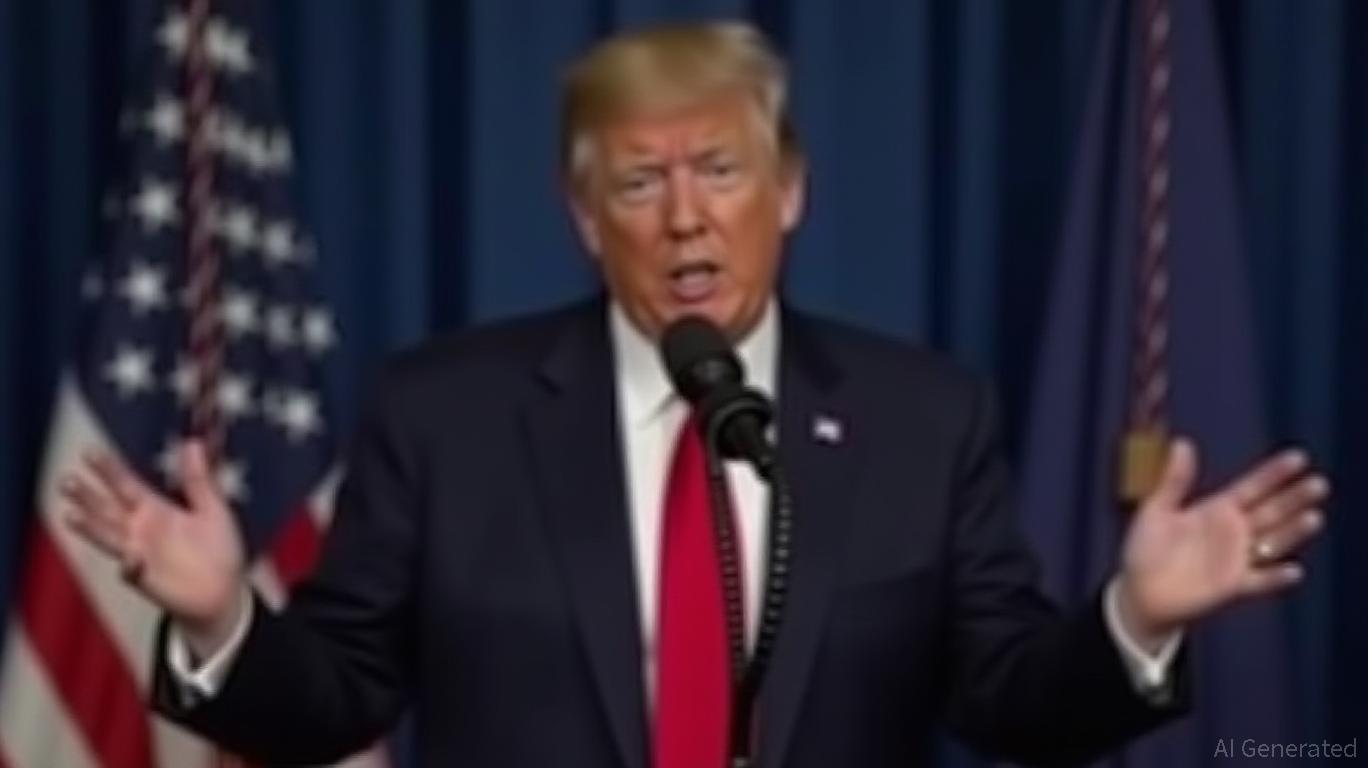
Trump: Cuba is in big trouble
TL;DR
Trump's intensified economic pressure on Cuba, including tariffs and a blockade, has worsened a severe fuel crisis, leading to blackouts, rationing, and humanitarian hardship, with unclear U.S. goals and risks of broader collapse.
Tags
Trump: Cuba is in big trouble
Trump’s Economic Pressure on Cuba Intensifies Amid Fuel Crisis
The Trump administration has escalated economic measures against Cuba, with the island nation facing severe fuel shortages and a deepening humanitarian crisis. A U.S. policy shift, including tariffs on countries supplying oil to Cuba and military enforcement of a de facto blockade, has exacerbated the situation. The loss of Venezuela's oil exports—Cuba's primary fuel source—following the U.S.-backed removal of President Nicolás Maduro in January 2026 has left the island with dwindling reserves, with experts estimating remaining fuel stocks could last six to eight weeks.
Cuba's energy infrastructure is collapsing, with blackouts lasting up to 15 hours daily in Havana and critical services like hospitals and schools disrupted. The government has imposed strict fuel rationing, limiting citizens to 20 liters of gasoline per vehicle, payable in U.S. dollars. Black-market fuel prices have surged, compounding economic hardship. The U.S. Treasury's limited relaxation of oil sanctions for "humanitarian use" has yet to alleviate the crisis.
The Trump administration's strategy mirrors its approach in Venezuela, prioritizing "maximum pressure" to force political change while avoiding abrupt instability. Secretary of State Marco Rubio has engaged with Cuban officials, including Raúl Castro's 94-year-old brother and inner-circle figures, though no formal negotiations have materialized. The administration's executive order threatening tariffs on oil suppliers has deterred traditional allies like Mexico and Russia from providing aid.
Cuba's government condemns the measures as "inhuman and illegal," arguing they violate international law. Meanwhile, humanitarian groups report rising poverty, with families resorting to firewood for cooking and children going hungry. The Cuban foreign minister has sought support from Russia, China, and Spain, but no significant aid has materialized.
Economists warn that prolonged fuel shortages could trigger broader economic collapse, though the Cuban state's resilience in past crises remains a wildcard. The Trump administration's goal—regime change or negotiated reforms—remains unclear, with risks of unintended consequences, including migration surges or regional instability. As Cuba's crisis deepens, the global response and Trump's next steps will shape the island's uncertain future.