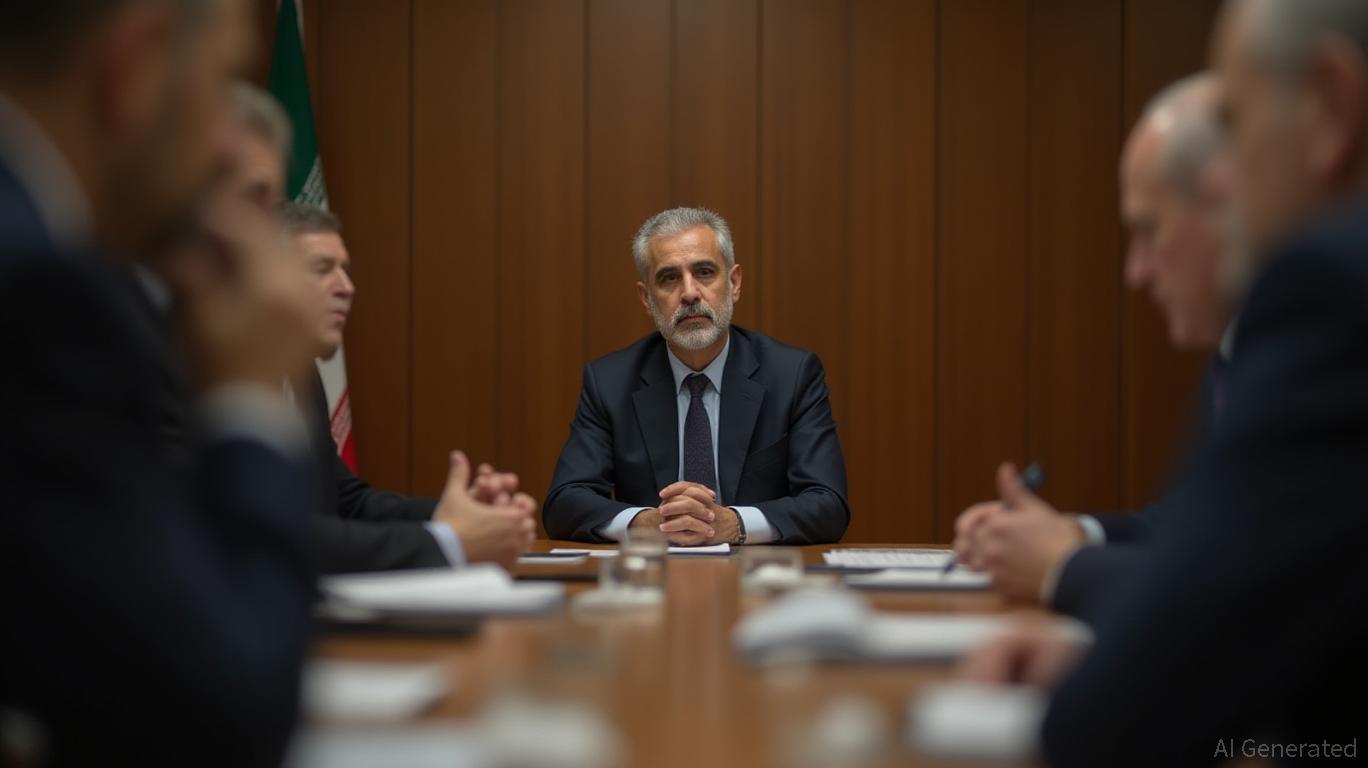
Iran’s Araghchi: In some areas we have differences of opinion
TL;DR
Iran's Foreign Minister Araghchi emphasizes Iran's right to peaceful nuclear technology and defensive missile programs, while diplomatic tensions with the U.S. persist over nuclear and regional issues, impacting global stability and markets.
Tags
Iran’s Araghchi: In some areas we have differences of opinion
Iran’s Araghchi: In Some Areas We Have Differences of Opinion
February 26, 2026
Iran’s Foreign Minister Abbas Araghchi has reiterated Tehran’s stance on its nuclear program and regional security, emphasizing that while Iran remains open to addressing international concerns, it will not relinquish its right to peaceful nuclear technology. In a recent interview, Araghchi stated, “We are ready to address concerns but we are not ready to give up our right for peaceful use of nuclear tech” according to his statement. He also clarified that Iran’s missile development is defensive, with ranges intentionally limited to below 2,000 kilometers to avoid global escalation as reported.
Diplomatic efforts to resolve tensions with the U.S. remain ongoing, with Araghchi describing a potential agreement as “within reach” if diplomacy is prioritized according to his remarks. However, U.S. President Donald Trump has maintained a hardline position, accusing Iran of pursuing nuclear weapons and threatening military action. Trump cited the 2025 U.S. strikes on Iranian nuclear sites as evidence of Iran’s “sinister ambitions,” despite Iran’s repeated assertions that it has no intention of weaponizing its nuclear program as detailed.
The economic implications of prolonged geopolitical tensions are significant. The U.S. military build-up in the Middle East, including the deployment of the USS Gerald R. Ford aircraft carrier, has heightened regional instability, while Iran’s Revolutionary Guard Corps has conducted military drills, claiming to have established a “strong fortress” in the south according to reports. Domestically, Iran faces economic hardship exacerbated by U.S. sanctions, which have contributed to a dollar shortage and the collapse of one of its largest banks, fueling public protests in December 2025 as stated.
Araghchi has criticized European powers for their diminished role in nuclear negotiations, calling the Munich Security Conference a “circus” and highlighting the shift in mediation efforts to Gulf states like Oman and Qatar according to his comments. While indirect talks continue, both sides remain entrenched in key disagreements, particularly over missile programs and Iran’s regional alliances.
For investors, the standoff underscores the risks of prolonged uncertainty in energy markets and regional trade. A negotiated resolution could stabilize Iran’s economy, but further escalation—whether through sanctions, military posturing, or renewed conflict—remains a critical concern for global markets.