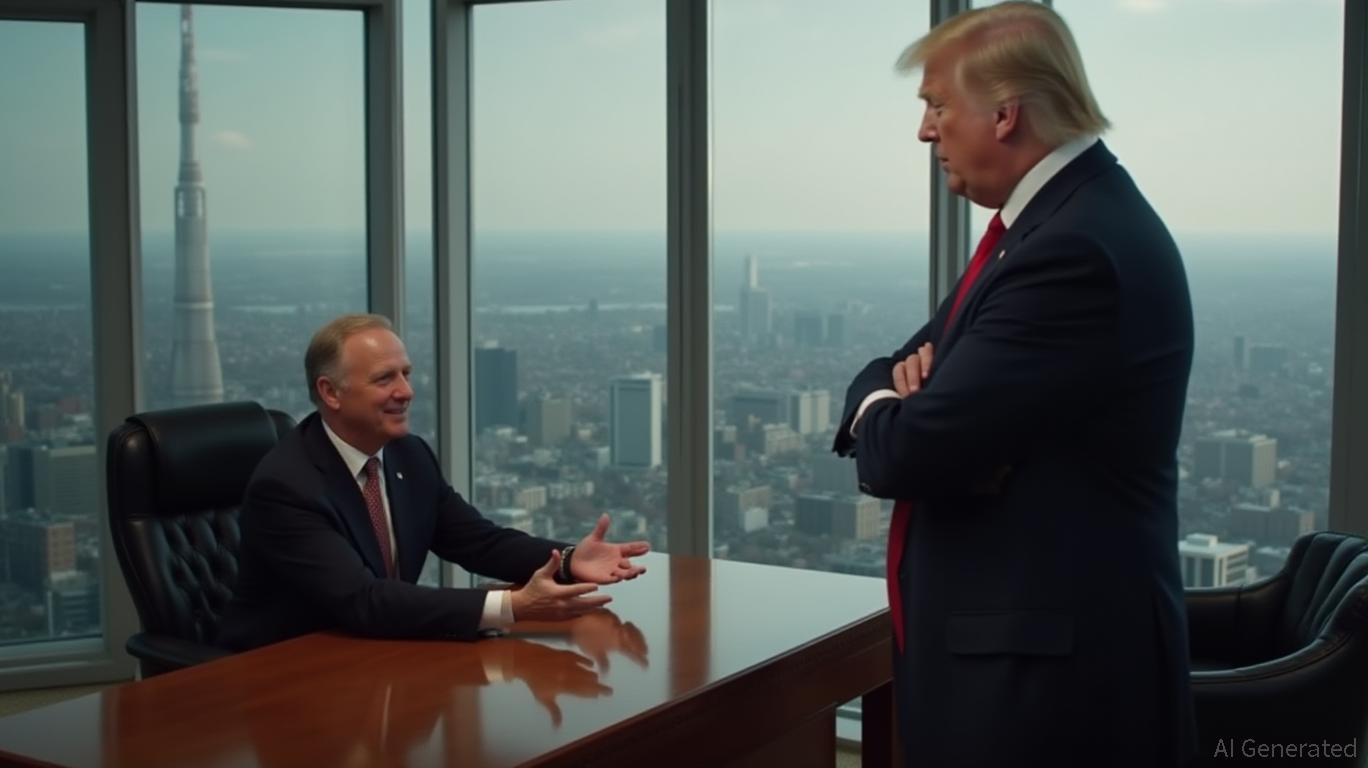
Witkoff: Trump curious why Iran hasn’t capitulated
TL;DR
President Trump expresses frustration over Iran's refusal to capitulate to U.S. nuclear demands, relying on non-traditional envoys like Steve Witkoff and Jared Kushner. Iran views U.S. demands as an existential threat and is bolstered by regional alliances, leading to a diplomatic standoff with risks of military escalation and market instability.
Tags
Witkoff: Trump curious why Iran hasn’t capitulated
Trump’s Unconventional Diplomacy and Iran’s Resilience
President Donald Trump has expressed frustration over Iran’s refusal to capitulate to U.S. demands in ongoing nuclear negotiations, despite escalating pressure and the threat of military action. Trump’s close allies, real estate developer Steve Witkoff and son-in-law Jared Kushner, have taken center stage in these talks, bypassing traditional diplomatic channels. The administration has set a two-week deadline for Iran to present a "meaningful" agreement, with Trump warning of "consequences" if Tehran fails to comply.
Iran's defiance, however, reflects deep-seated strategic calculations. From Tehran's perspective, U.S. demands—such as halting uranium enrichment and curtailing missile programs—are perceived as an existential capitulation rather than a diplomatic compromise. Iranian officials emphasize that their nuclear program is "solely for peaceful purposes" and reject what they view as U.S. attempts to dismantle their national security architecture. This stance is reinforced by Iran's regional alliances, including military cooperation with Russia and its network of proxies, which provide a buffer against perceived Western aggression.
The Trump administration's reliance on non-traditional envoys like Witkoff and Kushner has drawn criticism from experts, who question their diplomatic expertise. Meanwhile, the administration's transactional approach—prioritizing economic incentives over ideological demands—has clashed with Israeli concerns about Iran's missile capabilities and regional influence.
Financial markets remain wary of potential military escalation, as a conflict could disrupt oil supplies and exacerbate global inflation. The U.S. military buildup in the Gulf, including the deployment of aircraft carriers, underscores the risk of unintended confrontation. Analysts note that Iran's economy, already strained by sanctions, may struggle to withstand further shocks, but the regime appears willing to absorb short-term pain to preserve its strategic autonomy according to analysis.
As Trump's deadline looms, the absence of a clear diplomatic off-ramp raises concerns about a protracted crisis. Investors are closely monitoring developments in Geneva, where IAEA Director General Rafael Grossi has highlighted persistent gaps between U.S. and Iranian positions. The outcome will likely hinge on whether Tehran perceives capitulation as less risky than confrontation—a calculation with profound implications for regional stability and global markets.