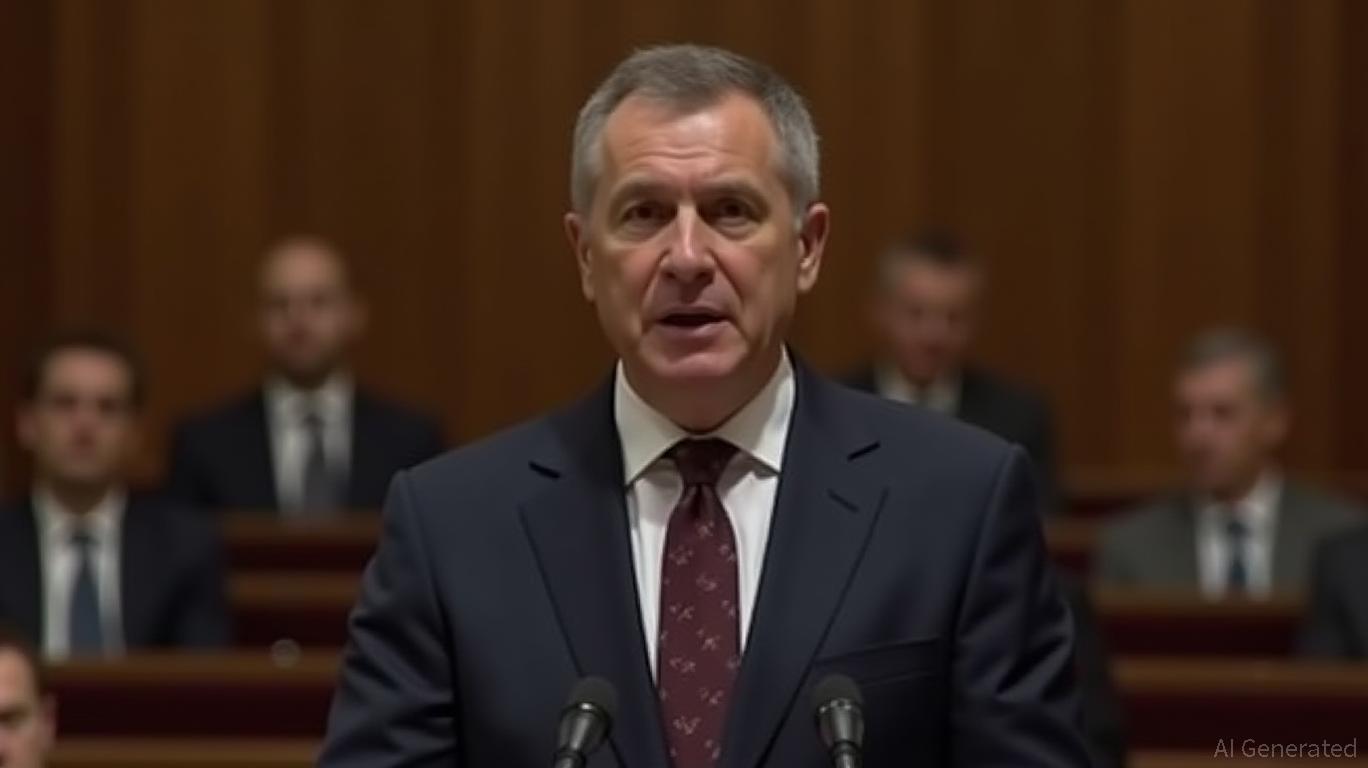
Romanian president said it would be best if Romania had a new government by June 30 when parliament goes on summer break
Romanian President Klaus Iohannis has indicated that it would be preferable for the country to form a new government by June 30, when parliament enters its summer recess. This statement comes amid ongoing political uncertainty following the annulment of the 2024 presidential election and the subsequent rescheduling of the vote for May 2025. The political landscape has been marked by increasing polarization, institutional instability, and a weakening of democratic norms, raising concerns about the country’s governance capacity and policy continuity[3].
The current government, a coalition of the Social Democratic Party (PSD), the National Liberal Party (PNL), and the Democratic Alliance of Hungarians in Romania (UDMR), has faced widespread criticism for electoral manipulation and media clientelism, and a growing reliance on intelligence services for political control. These challenges have deepened voter disillusionment and weakened trust in democratic institutions. The 2024 parliamentary elections reflected this discontent, with the governing parties losing a combined 19% of the vote compared to 2020. Despite these losses, the coalition has managed to retain control through elite negotiations, highlighting the structural inertia of Romania’s political system.
The call for a new government by June 30 underscores the urgency for political stability ahead of the summer recess. However, the formation of a new administration is complicated by the fragmented nature of the current parliament, which includes seven parties and representatives of national minorities. The rise of far-right and anti-system parties has further complicated coalition-building efforts, as mainstream parties continue to uphold an informal "cordon sanitaire" against radical actors. This dynamic has contributed to a political environment where electoral setbacks don't translate into changes in governance.
The economic implications of prolonged political instability are significant. Romania’s GDP growth has slowed, with the budget deficit reaching 8.6% of GDP in 2024. High public debt, weak tax compliance, and inefficient public administration have constrained the government’s ability to implement structural reforms. The European Commission has urged fiscal consolidation measures, but political instability has stalled essential reforms, particularly in pension sustainability and tax compliance. The investment climate has also been adversely affected by regulatory unpredictability and rule of law weaknesses.
As Romania approaches the summer recess, the need for a stable and effective government becomes increasingly pressing. The formation of a new administration will be critical in addressing the country’s economic and political challenges, particularly in the context of ongoing EU integration efforts and regional security concerns. Investors and financial professionals will be closely monitoring developments, as the outcome of these political dynamics will have significant implications for Romania’s economic trajectory and institutional credibility.