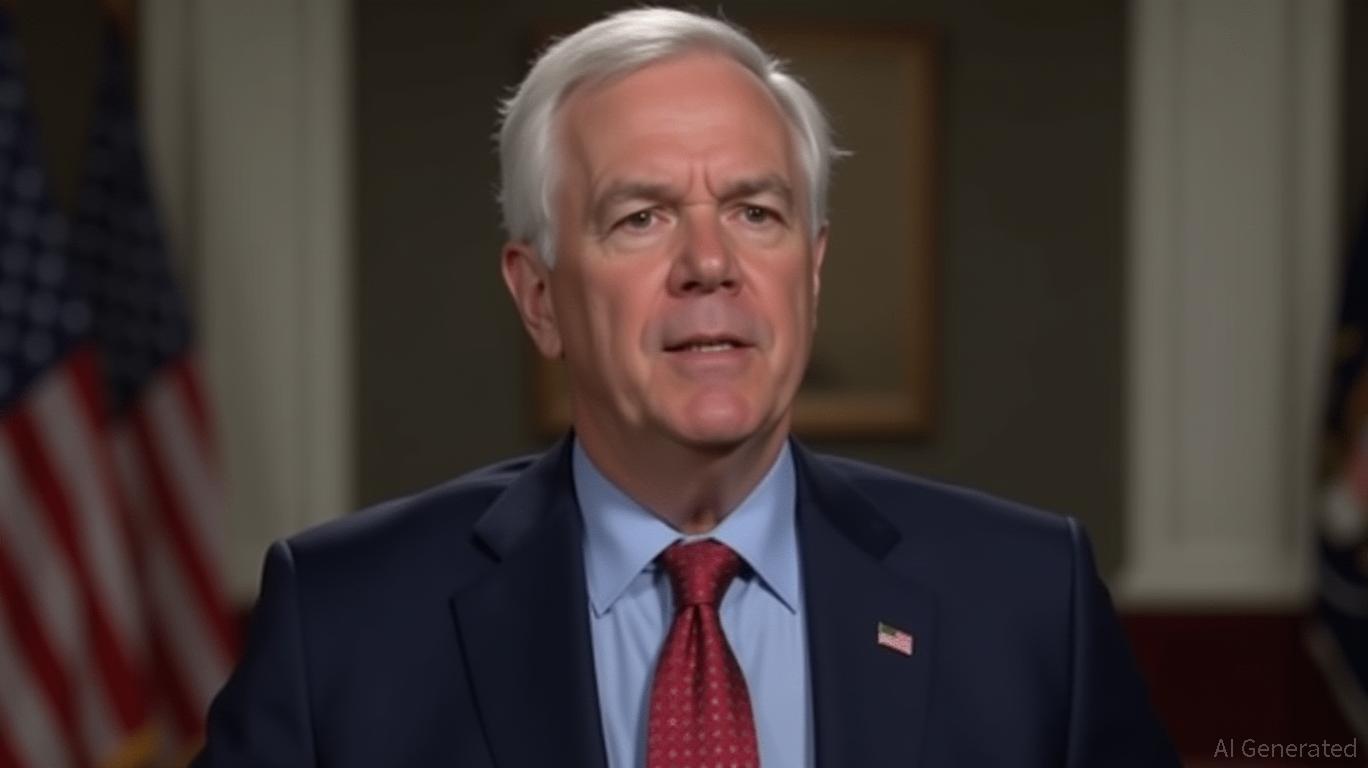
Vance: US has a lot of capacity in Iran
TL;DR
U.S. Vice President JD Vance asserts significant U.S. strategic and military capacity to counter Iran's nuclear ambitions, leveraging allies and operations like Epic Fury, but faces risks from economic volatility and Iran's resilience.
Tags
Vance: US has a lot of capacity in Iran
Vance: U.S. Has a Lot of Capacity in Iran
U.S. Vice President JD Vance emphasized that the United States possesses significant strategic and military capacity to address Iran’s nuclear ambitions and regional activities, citing evidence of Tehran’s efforts to rebuild its nuclear program following U.S.-led strikes in June 2025. Speaking ahead of Geneva nuclear talks, Vance underscored the administration’s stance that "Iran cannot have a nuclear weapon," reflecting broader concerns about Tehran's compliance with international agreements.
Recent U.S. and Israeli military operations, including Operation Epic Fury, have targeted Iranian leadership, missile infrastructure, and naval facilities, aiming to degrade the regime's capabilities and catalyze internal dissent. While experts debate the feasibility of regime change, Vance and other officials argue that the U.S. has the logistical and diplomatic tools to sustain pressure on Iran. This includes leveraging regional allies, such as Saudi Arabia and the UAE, which have condemned Iranian aggression and aligned with U.S. objectives.
Economic factors also highlight U.S. capacity. OPEC's decision to increase oil production by 206,000 barrels per day aims to stabilize markets amid fears of Hormuz Strait disruptions. However, gas markets remain vulnerable due to Qatar's critical role in LNG exports and the lack of strategic reserves. Analysts note that while short-term conflicts may be absorbed, prolonged instability could strain global energy prices and U.S. military readiness.
Despite these measures, challenges persist. Vance acknowledged skepticism about foreign interventions, stressing that the U.S. seeks to avoid a "drawn-out war." Yet, experts warn that Iran's resilience—bolstered by China's potential resupply of military assets and its own asymmetric capabilities— could prolong tensions. The administration's reliance on encouraging internal Iranian opposition, rather than direct troop involvement, remains a contentious and uncertain strategy.
In summary, while the U.S. demonstrates robust military and diplomatic capacity to counter Iran, the path to achieving long-term stability remains fraught with risks, including economic volatility and the potential for regional escalation.