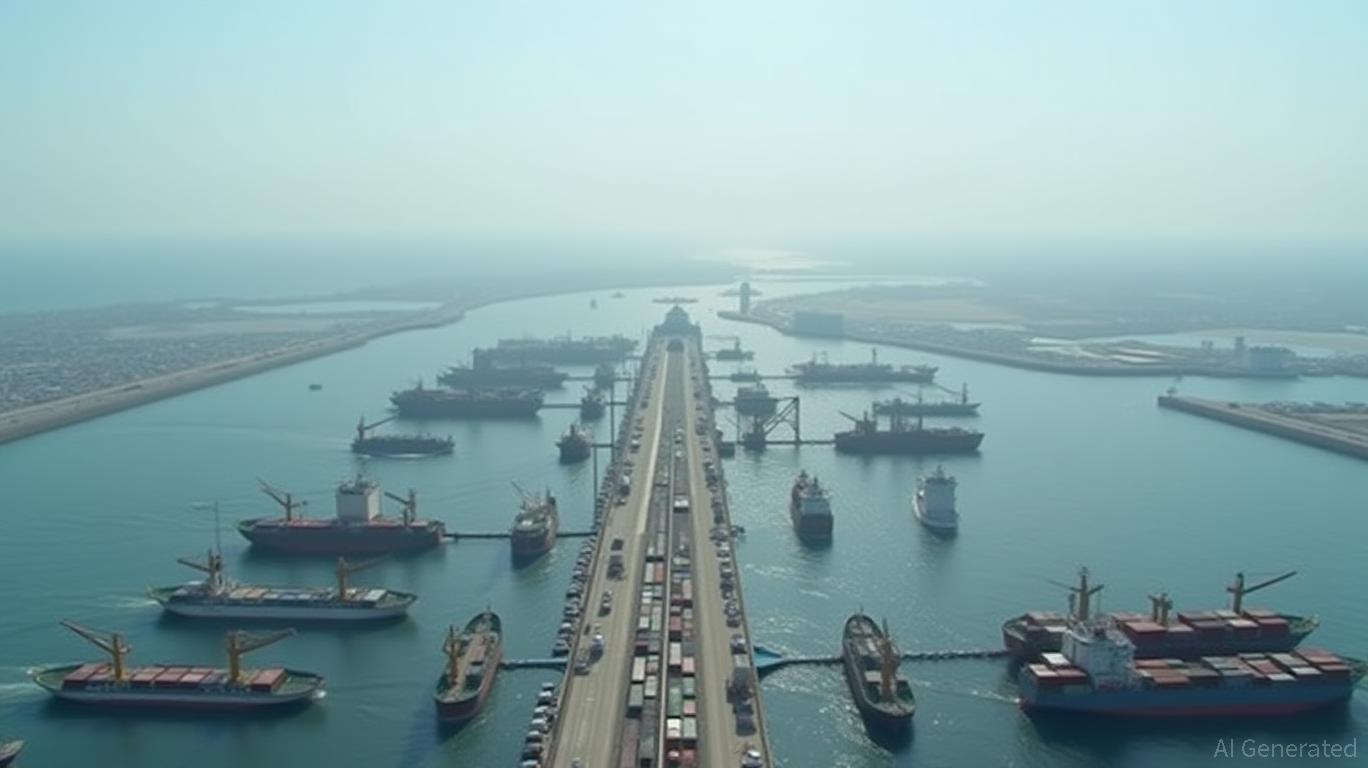
Lloyd's List: Iran cuts Strait of Hormuz transit fees sharply
Iran has reportedly reduced transit fees for vessels passing through the Strait of Hormuz, a critical global energy chokepoint, as part of its evolving strategy to manage maritime traffic amid ongoing regional tensions. The Islamic Revolutionary Guard Corps (IRGC) has been overseeing the strait since the start of the conflict in February 2026, initially imposing fees as high as $2 million per vessel for safe passage. However, recent reports indicate that the fees have been cut significantly, with some ships now paying in yuan and others securing clearance through diplomatic negotiations rather than direct payments.
The Strait of Hormuz, through which 20% of the world’s oil and liquefied natural gas (LNG) typically flows, has seen only a fraction of its usual traffic since the war began. Before the conflict, 120–140 ships passed daily, but now only a handful are permitted to transit, primarily those that have coordinated with Iranian authorities. The IRGC has established a vetting system requiring full documentation, including vessel ownership, cargo manifests, and crew lists, before granting clearance.
While Iran insists that the strait remains open for "non-hostile" vessels, the U.S. and its allies continue to view the situation as a strategic threat. The U.S. Treasury has indicated it may tolerate limited traffic through the strait but has warned that engaging with the IRGC—whether directly or indirectly—could trigger sanctions. Meanwhile, several countries, including India, China, and Malaysia, have reportedly engaged in diplomatic discussions with Iran to facilitate the movement of their vessels.
The economic implications of the strait's partial closure remain significant. Prior to the conflict, the strait accounted for $114.8 billion in daily oil revenues and $7.8 billion in LNG trade. Although the reduced fees may make transit more feasible for some operators, the broader geopolitical and legal risks continue to deter widespread use of the route. Analysts suggest that a regional agreement involving Iran and Gulf Cooperation Council (GCC) nations could offer a more sustainable solution, but such cooperation remains unlikely without broader international coordination.