Trump to CBS: Iran was trying to control the entire Middle East and has now surrendered
TL;DR
President Trump claims Iran has surrendered after U.S. military strikes, demanding unconditional surrender and regime change, while experts warn of escalating economic and geopolitical risks.
Trump to CBS: Iran was trying to control the entire Middle East and has now surrendered
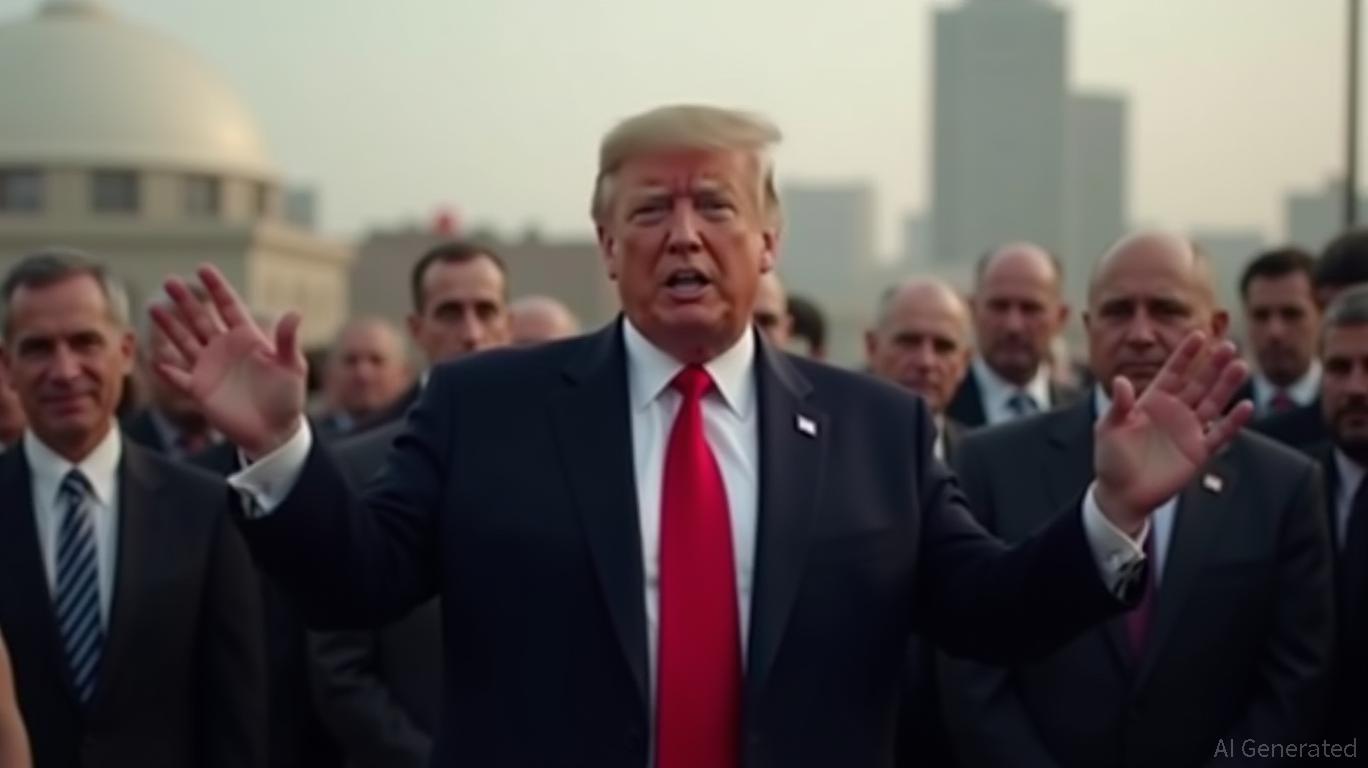
U.S. President Donald Trump asserted during a CBS News interview that Iran’s leadership had sought to dominate the Middle East but had now “already surrendered” to regional powers and the U.S. military campaign. He claimed Iran’s Supreme National Security Council secretary, Ali Larijani, had “already been defeated” and that the country’s military infrastructure—ranging from naval vessels to air defenses—had been “blown to smithereens”. Trump reiterated his demand for Iran’s “unconditional surrender,” emphasizing that the U.S. and allies would continue strikes until the regime’s leadership was replaced with figures deemed “acceptable.”
The administration’s military operations, which began on February 28, have reportedly targeted over 3,000 Iranian sites, including naval assets and command centers. U.S. Central Command reported the destruction of 43 Iranian ships and significant damage to air defense systems. However, independent assessments suggest the conflict’s economic and humanitarian toll is mounting, with oil prices surging to multiyear highs due to disruptions in the Strait of Hormuz.
While Trump dismissed concerns about prolonged conflict, stating the war could conclude in four to six weeks, experts and allies raised doubts. Russia’s reported provision of intelligence to Iran on U.S. military positions, coupled with Iran’s retaliatory strikes on Gulf allies hosting U.S. forces, has complicated diplomatic efforts. Meanwhile, global markets remain volatile, reflecting uncertainty over the war’s duration and regional stability.
The administration’s focus on military action over diplomacy underscores a strategy prioritizing regime pressure, though the financial and geopolitical risks of escalation remain unresolved.