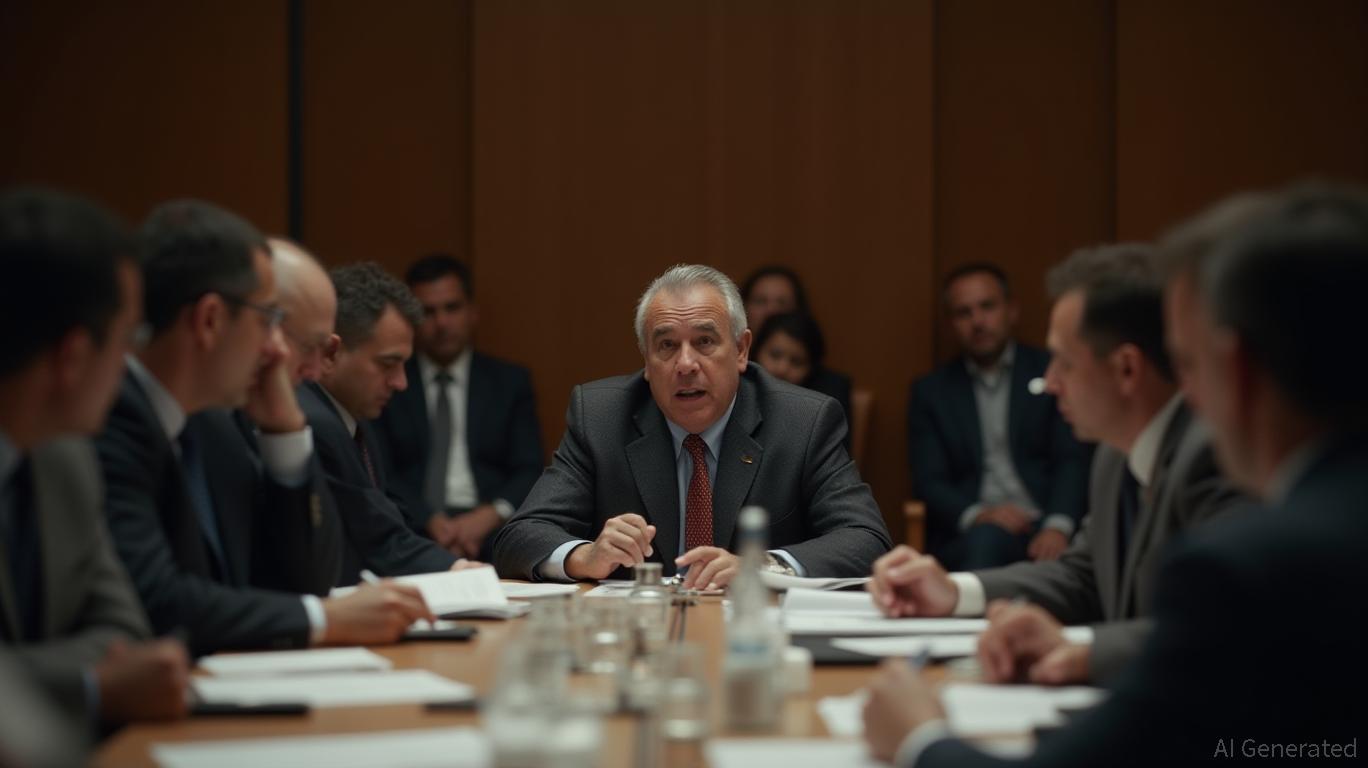
No consensus around Mexico electoral reform: Morena's Monreal
TL;DR
Mexico's proposed electoral reform faces delays due to lack of consensus within the governing coalition. Key allies oppose cuts to public funding and proportional representation, threatening the reform's passage before the April 30 deadline.
Tags
No consensus around Mexico electoral reform: Morena's Monreal
Mexico’s Electoral Reform Stalls Amid Coalition Disputes
President Claudia Sheinbaum’s proposed electoral reform faces mounting challenges as tensions emerge within her governing coalition, with key allies expressing reservations over provisions that could limit their political influence. Despite MORENA’s legislative dominance, the initiative has yet to be formally introduced to Congress, as coalition partners like the Green Party (PVEM) and the Workers’ Party (PT) resist reductions in public funding and proportional representation seats according to recent reports.
The reform aims to streamline Mexico’s political system by reducing congressional seats, lowering public financing for parties, and restructuring electoral authorities. Multiple models are under consideration, including a 300-member chamber with proportional representation or a hybrid system blending majority and proportional voting. The proposal also seeks to eliminate 32 national-list senators and impose stricter anti-nepotism rules. However, PVEM and PT have signaled that cuts to public funding and proportional representation are “non-negotiable,” arguing these measures threaten minority representation and political competition according to coalition statements.
MORENA’s parliamentary coordinator, Ricardo Monreal, acknowledged the lack of consensus, stating that lawmakers are revising specific articles to address concerns from allies. “We are working to soften potential negative impacts, but agreement with our coalition partners remains elusive,” Monreal said in a recent interview. The delay has raised concerns about the reform’s viability, as MORENA requires supermajorities in both chambers to pass constitutional changes.
Opposition parties, including the PAN and PRI, have also criticized the reform, labeling it “authoritarian” and drawing parallels to Venezuela’s centralized political systems according to analysis. PRI’s Rubén Moreira warned that reduced public funding could incentivize candidates to seek alternative financing, potentially opening doors to illicit sources as reported by Bloomberg.
The reform’s timeline remains uncertain, with the legislative window closing on April 30 to ensure changes take effect for the 2027 elections according to official deadlines. Sheinbaum’s administration faces a delicate balancing act: advancing institutional efficiency while navigating internal coalition fractures and external skepticism. As negotiations continue, the outcome will have significant implications for Mexico’s electoral landscape and political pluralism.