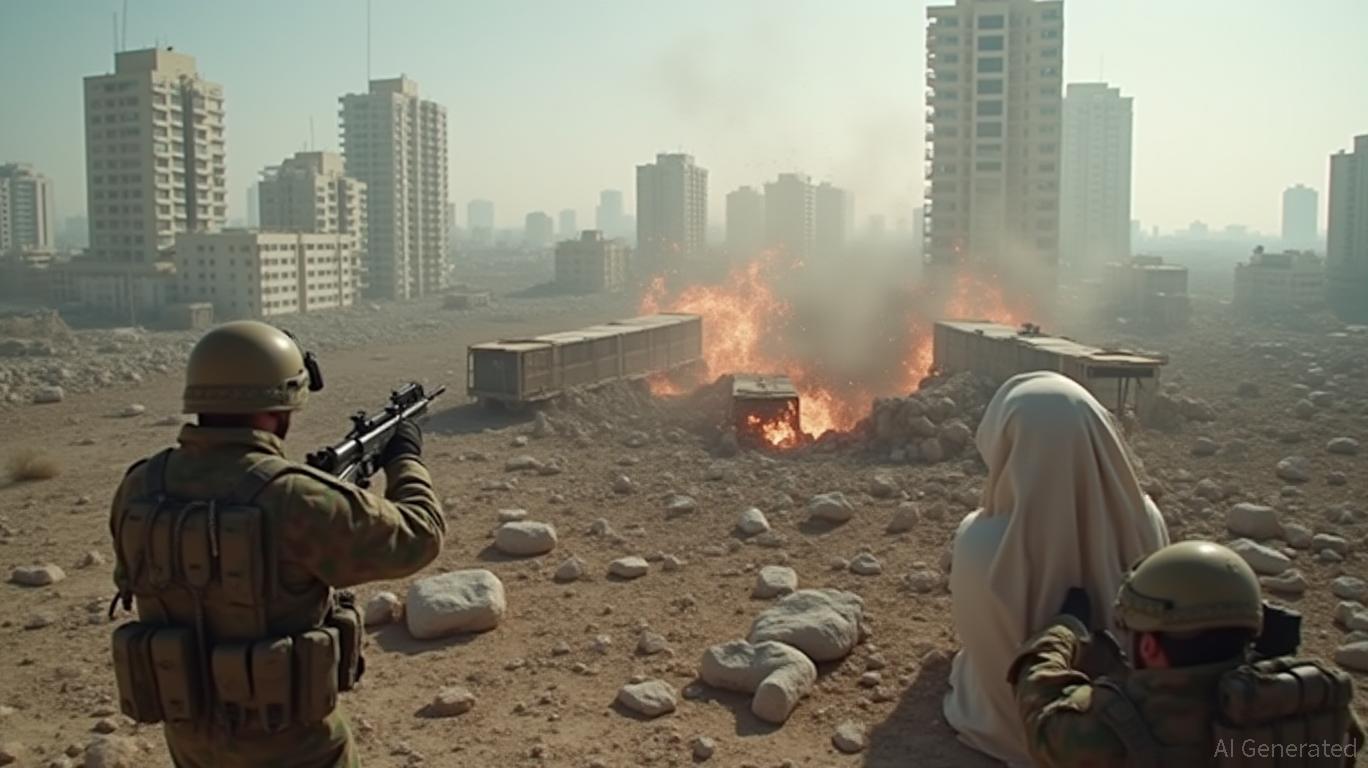
Iranian Revolutionary Guard: We targeted the defense industrial complex in Tel Aviv
TL;DR
Iran's Revolutionary Guard targeted Israeli defense infrastructure, including Tel Aviv, causing casualties and damage. The conflict has expanded to U.S. bases in the Middle East, disrupting oil markets and global trade. International efforts are underway to de-escalate tensions amid heightened regional instability.
Tags
Iranian Revolutionary Guard: We targeted the defense industrial complex in Tel Aviv
Iranian Revolutionary Guard Announces Strikes on Israeli Defense Infrastructure
The Iranian Revolutionary Guards confirmed targeting Israeli defense and military infrastructure in a new wave of attacks, according to a statement released on Telegram. The Guards cited strikes on the Israeli Defense Ministry, Haifa Port naval base, Ramat David air base, and several military-industrial complexes, including Beit Shams and Ishtod. These actions follow U.S. and Israeli strikes on Iranian sites, which Tehran describes as unprovoked aggression.
Israeli emergency responders reported significant damage in Tel Aviv, with 21 casualties from the missile barrage, including one woman in critical condition. The Magen David Adom ambulance service noted injuries from shrapnel and blast shockwaves, while physical damage to civilian infrastructure was observed.
The conflict has escalated beyond the Israel-Iran axis, with Iran launching attacks on U.S. military bases in Bahrain, Kuwait, Qatar, and the UAE. The Islamic Revolutionary Guard Corps (IRGC) claimed strikes on Al Udeid Airbase in Qatar, Al Dhafra Airbase in the UAE, and the U.S. Fifth Fleet headquarters in Bahrain. Additionally, Iran reportedly warned via radio transmissions that the strategic Hormuz Strait—critical for 20% of global oil and gas shipments— would be closed to maritime traffic.
International financial markets have reacted to the heightened tensions, with oil prices surging amid concerns over disrupted supply chains. Major airlines have suspended or rerouted flights to the region, citing safety risks. The UK and other nations have deployed military assets to the Middle East, further signaling the potential for prolonged instability.
While Iran's foreign minister asserted that Supreme Leader Ayatollah Ali Khamenei is alive, satellite imagery showed damage to his compound in Tehran. The U.S. and Israel have not confirmed casualties from their initial strikes but emphasized their focus on degrading Iran's military capabilities.
The conflict underscores the fragility of regional security and its potential to disrupt global trade and investment. Investors are closely monitoring diplomatic efforts, including an emergency UN Security Council meeting, to assess the likelihood of de-escalation. For now, the financial implications of sustained hostilities remain a key concern for markets worldwide.