Hanoi sets target for fully green taxi fleet by 2030: VNA
TL;DR
Hanoi plans to convert all taxis to electric and green energy vehicles by 2030, with phased targets and incentives like subsidies and reduced fees. Infrastructure development and streamlined processes will support the transition, aiming to reduce pollution and promote sustainable mobility.
Tags
Hanoi sets target for fully green taxi fleet by 2030: VNA
Hanoi Sets Target for Fully Green Taxi Fleet by 2030: VNA
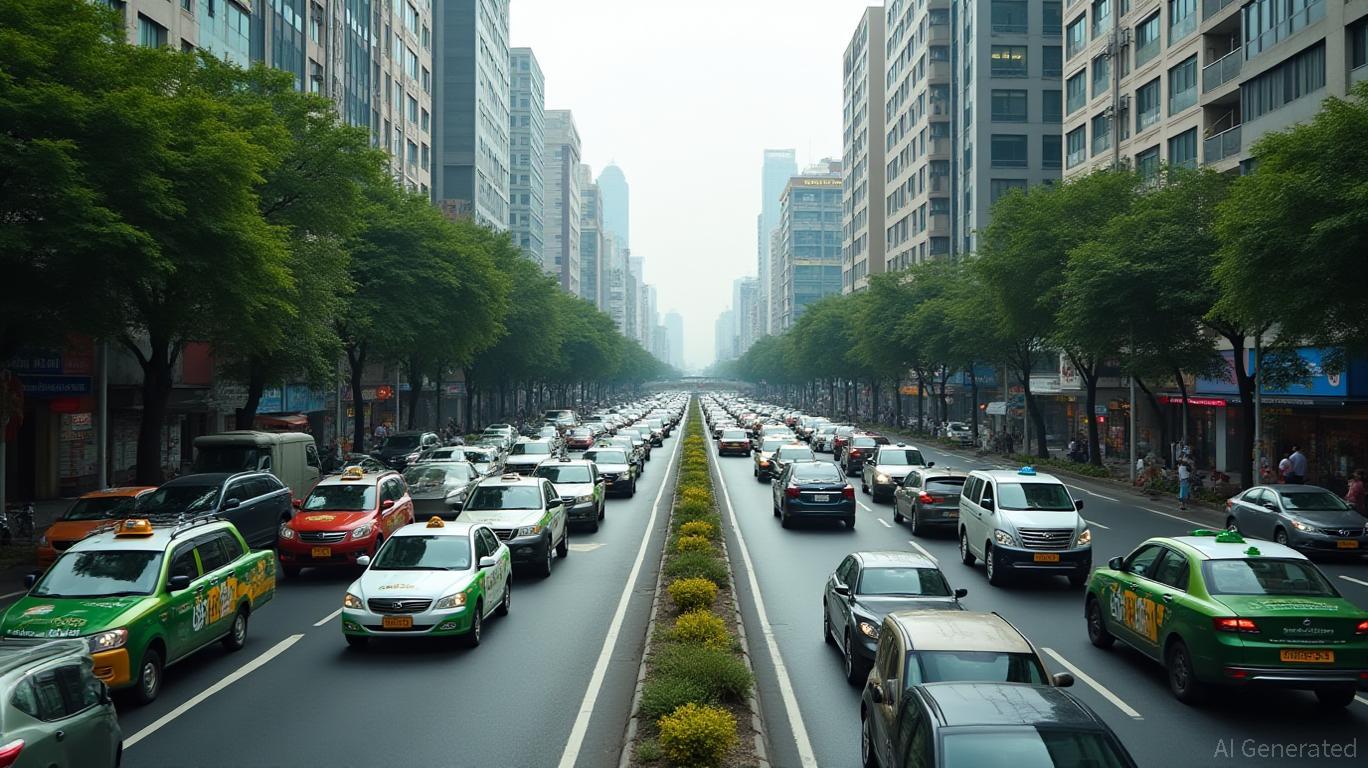
Hanoi has announced a comprehensive plan to transition its entire fleet of gasoline and diesel taxis to electric and green energy vehicles by 2030, aligning with national environmental goals. The Hanoi People's Committee recently issued a detailed roadmap outlining phased targets, financial incentives, and infrastructure development to support this transition.
Under the plan, 64% of taxis are expected to convert by 2026, with incremental milestones of 68–70% by 2027, 74–77% by 2028, and 88–96% by 2029, culminating in a 100% green fleet by 2030. To incentivize adoption, the city will subsidize a portion of commercial bank loan interest for taxi companies, offer reduced registration fees for electric vehicles (EVs), and facilitate access to preferential capital from the Hanoi Development Investment Fund. Additionally, authorities are considering preferential parking rates for EV taxis and exemptions from registration fees for passenger transport operators.
Currently, Hanoi has 14,300 active taxis, of which 8,800 are already electric. Another 13,600 taxis are inactive and slated for replacement, totaling nearly 28,000 vehicles expected to transition by 2030. The Hanoi Department of Construction will oversee infrastructure development, including accelerating the installation of charging stations and optimizing traffic organization for EVs. Meanwhile, the Hanoi Police will streamline vehicle registration processes and implement an intelligent traffic monitoring system using license plate recognition technology to enforce low-emission zone regulations.
Post-2030, the city will prioritize maintaining operational stability for green taxis, focusing on expanded charging infrastructure and parking accessibility. This initiative is part of a broader national action plan to reduce pollution, with Vietnam aiming to achieve 1,200 green buildings nationwide by 2030 and lower PM2.5 levels in Hanoi by 20% compared to 2024.
The transition underscores Hanoi's commitment to sustainable urban mobility, with potential implications for investors in EV infrastructure and green technology sectors.