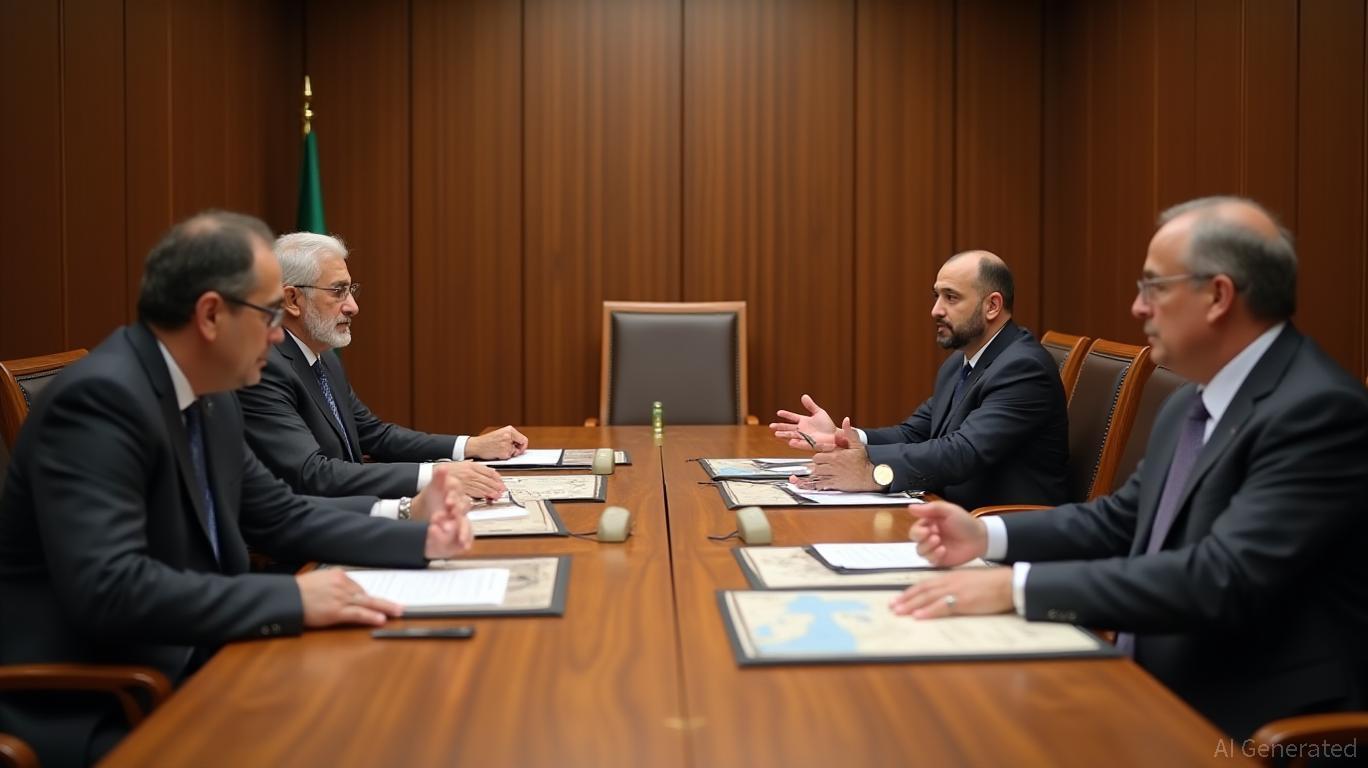
UAE and Iran foreign ministers discuss regional developments and bilateral ties, reviewing issues affecting peace, security, and mutual interests, acc...
TL;DR
UAE and Iran foreign ministers held talks in Tehran to discuss regional stability and strengthen economic ties, emphasizing de-escalation and diplomatic solutions. Both sides expressed readiness to expand cooperation, with the UAE welcoming recent U.S.-Iran talks as a positive step for reducing tensions.
UAE and Iran foreign ministers discuss regional developments and bilateral ties, reviewing issues affecting peace, security, and mutual interests, according to WAM
UAE and Iran Foreign Ministers Discuss Regional Stability, Economic Cooperation
The United Arab Emirates and Iran held high-level political consultations in Tehran on February 7, 2026, with UAE Minister of State for Foreign Affairs Lana Nusseibeh and Iranian Foreign Minister Seyed Abbas Araghchi addressing regional developments and bilateral ties. The discussions emphasized strengthening economic and trade relations, with both sides expressing readiness to expand cooperation aligned with mutual interests.
Nusseibeh described the talks as "useful and constructive," highlighting the UAE's commitment to advancing economic partnerships and regional stability. Araghchi acknowledged existing "good and extensive" economic and commercial ties, reiterating Iran's openness to deepening collaboration. The dialogue also touched on broader regional security, with both ministers underscoring the importance of de-escalation and diplomatic solutions to conflicts.
The UAE separately welcomed recent U.S.-Iran talks hosted in Oman, framing the engagement as a positive step toward reducing tensions and promoting stability. The Ministry of Foreign Affairs emphasized that dialogue, adherence to international law, and respect for sovereignty are critical to resolving regional crises.
For investors, the renewed diplomatic efforts between regional rivals could signal improved business environments, particularly in trade and energy sectors, though geopolitical risks remain. The UAE's role as a mediator highlights its strategic position in fostering regional cooperation, potentially influencing cross-border investments and economic partnerships in the Gulf and beyond.
The consultations reflect a broader trend of multilateral engagement aimed at stabilizing the Middle East, with economic collaboration serving as a cornerstone for long-term trust-building between nations. Further updates on specific trade agreements or joint initiatives are anticipated in coming months.
(https://en.mfa.ir/portal/newsview/782800/UAE-minister-of-state-for-foreign-affairs-meets-with-Iranian-FM-in-Tehran): UAE Minister of State for Foreign Affairs meets with Iranian FM in Tehran
(https://www.mofa.gov.ae/en/mediahub/news/2026/2/7/uae-usa-iran): UAE Welcomes U.S.-Iran Talks in the Sultanate of Oman