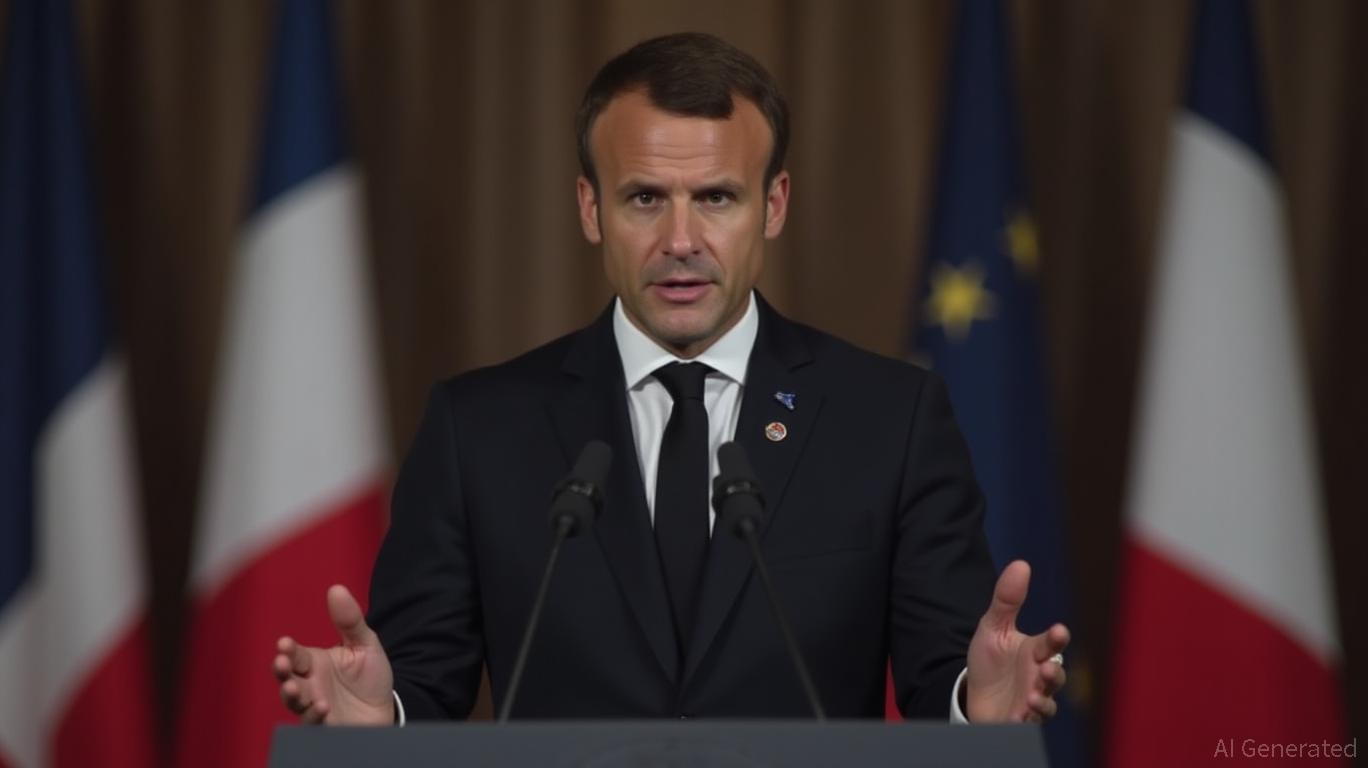
France's Macron: Iran conflict spreading across region, carrying serious risks to peace and security; Iran bears primary responsibility, France cannot...
TL;DR
French President Macron warns that the Iran conflict is spreading regionally and poses serious risks to global peace. He holds Iran primarily responsible but opposes military action, instead calling for diplomacy while France boosts its defense and nuclear posture.
Key Takeaways
- •Macron warns the Iran conflict is spreading across the Middle East and risks spilling into Europe, threatening global peace and security.
- •France holds Iran primarily responsible for regional destabilization but will not participate in U.S. or Israeli military actions against Tehran.
- •France is increasing its defense readiness in the region, deploying Rafale jets to the UAE and expanding its nuclear deterrence capabilities.
- •Macron and other European leaders are pushing for diplomatic solutions while the EU prepares evacuation plans for citizens in the conflict zone.
- •The conflict threatens global energy markets and trade routes, with potential economic impacts on European businesses and investments.
Tags
France's Macron: Iran conflict spreading across region, carrying serious risks to peace and security; Iran bears primary responsibility, France cannot approve US or Israeli military actions
France’s Macron Warns of Escalating Iran Conflict, Calls for Diplomacy Amid Regional Tensions
French President Emmanuel Macron has emphasized that the widening conflict between the United States, Israel, and Iran poses significant risks to global peace and security, with France positioning itself as a mediator while reinforcing its defense posture. Speaking amid escalating hostilities, Macron stated that Iran bears primary responsibility for destabilizing the Middle East through its nuclear program and regional activities, though he ruled out French participation in military operations against Tehran according to Reuters.
The conflict, which began with U.S. and Israeli strikes on Iranian targets—including the reported killing of Supreme Leader Ali Khamenei—has triggered retaliatory attacks by Iran against Gulf allies of Washington and Tel Aviv. Macron warned that the situation risks spilling over into Europe, prompting France to raise its defense readiness in the region. This includes deploying Rafale fighter jets to the UAE to protect French military bases and personnel.
While condemning the U.S.-Israel strikes as destabilizing, Macron reiterated France’s commitment to defending its allies and safeguarding critical infrastructure. He also announced a strategic shift in France’s nuclear deterrence policy, including increasing its nuclear warhead stockpile and allowing temporary deployment of nuclear-armed aircraft to allied nations. These measures aim to bolster European autonomy amid growing skepticism about U.S. security guarantees, particularly under President Donald Trump’s administration.
The European Union is separately evaluating evacuation plans for its citizens in the region, with Kaja Kallas, the EU’s top diplomat, urging de-escalation and emphasizing the need to protect critical waterways like the Strait of Hormuz according to The Guardian. Macron, alongside German Chancellor Friedrich Merz and UK Prime Minister Keir Starmer, has called for a negotiated resolution to the crisis, stressing that military action risks deepening regional instability as reported by BBC.
Economically, the conflict threatens to disrupt global energy markets and trade routes, with European businesses facing heightened uncertainty. Analysts note that prolonged instability could strain European investments in the Middle East and elevate insurance and commodity costs. Meanwhile, critics argue France’s nuclear expansion risks provoking further regional arms races, complicating diplomatic efforts according to PBS NewsHour.
As Macron prepares to address the French public on Tuesday, the debate over France’s role in the crisis—balancing defense, diplomacy, and economic interests—reflects broader European concerns about security and sovereignty in an increasingly fragmented geopolitical landscape according to Le Monde.