Ban on Crypto Privacy Tools Would Be Counterproductive: UK Think Tank
TL;DR
A UK think tank report warns against banning crypto privacy tools, arguing prohibition would push illicit actors to unregulated services and hinder law enforcement. Instead, it advocates for collaboration between regulators and developers to integrate compliance features while preserving legitimate privacy needs.
Key Takeaways
- •Banning blockchain privacy tools would be counterproductive, driving illicit activity to unregulated services and reducing law enforcement access.
- •Legitimate demand for privacy tools comes from protection against hackers, AI data mining, business confidentiality, and security for high-profile individuals.
- •Roundtable participants emphasized expanding collaboration between officials and providers to use privacy-enhancing technologies for improving illicit activity detection.
- •Integrating compliance features into privacy solutions is crucial for building trust and expanding responsible use of the technology.
- •Zero-knowledge proofs and other privacy mechanisms are expected to grow, with increased business integration anticipated by year-end.
Tags
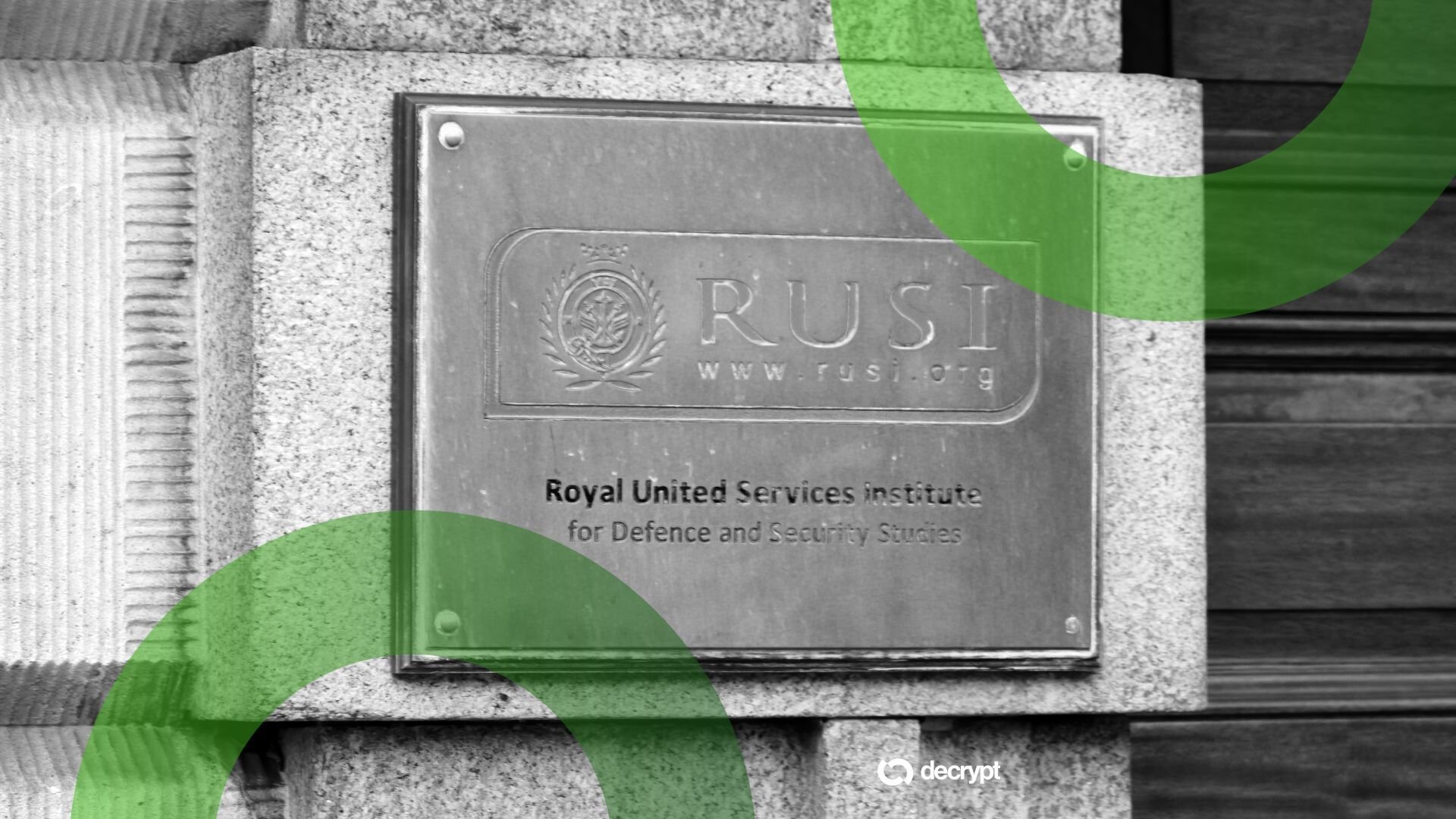
A report from the world’s oldest defense and security think tank has warned against banning blockchain-based privacy tools, arguing that blanket prohibition would merely result in bad actors using noncompliant services.
In a paper titled, ‘Privacy-Enhancing Technologies in the Crypto Industry,’ the London-based Royal United Services Institute (RUSI) highlighted a “need to balance compliance objectives” with the growing role of privacy-related protocols and platforms in the cryptocurrency sector.
New paper on privacy-enhancing technologies (PETs) in the cryptocurrency industry explores whether privacy and compliance can co-exist. https://t.co/SuTdflmnYS
— RUSI (@RUSI_org) February 25, 2026
It observed that growing demand for privacy solutions currently derives from four legitimate sources. They include individuals and entities wanting to avoid targeting by hackers, privacy concerns in the face of AI-related data mining by companies; privacy concerns of cryptocurrency businesses; and reducing the risk that high-net-worth and/or prominent individuals will be targeted by criminals or authoritarian governments.
Based on roundtable discussions convened by the UK Home Office and National Economic Crime Centre in July 2025, the report highlights several blockchain-based privacy technologies, including zero-knowledge proofs, confidential stablecoins and privacy pools.
While acknowledging that illicit actors are naturally attracted to privacy tools and “succeed by taking advantage of innovation,” the paper reports that roundtable participants—which included industry players as well as regulators and enforcement agencies—made the point “several times” that there was a “need to not ban” privacy solutions.
“The participants highlighted that banning the technology would result in illicit actors using unregulated services,” the report reads. “As a result, law enforcement would have fewer entities to reach out to and request information from, subsequently limiting options for further investigations.”
Instead, the roundtable participants agreed on the value of expanding collaboration between officials and providers, and of using privacy-enhancing technologies to aid law enforcement practices and “improve detection of illicit activity.”
Crypto privacy and compliance
The report’s author, RUSI Associate Fellow Allison Owen, told Decrypt that it’s important for policymakers and enforcement agencies to work together with developers to ensure that privacy solutions integrate compliance features.
“From the roundtable, it is clear that the participating companies that integrate PETs and compliance features are willing to engage with the public sector,” she said.
While accepting that there will always be individuals with bad intentions, Owen emphasized that this shouldn’t “cloud the possibility of responsible actors using the technology to benefit society.”
Indeed, the report focuses almost exclusively on the legitimate uses of privacy solutions, highlighting their utility in the context of increasingly frequent “$5 wrench attacks,” which in 2025 claimed record losses of $41 million.
It also discusses other drivers of usage, such as cryptocurrency firms wanting to keep crypto-based salaries confidential, as well as wanting to keep their business practices and fund flows private from competitors.
Based on such practices, the roundtable’s participants generally believed that privacy-enhancing mechanisms “will continue to grow,” with zero-knowledge proofs in particular being integrated increasingly into business practices by the end of this year.
However, despite this optimism Owen herself told Decrypt that “extensive” collaboration between developers and the public sector needs to happen before trust in crypto-related privacy solutions reaches a critical mass.
“Building trust through the integration of compliance features will ultimately expand the use of the technology,” she said. “The roundtable reflects a step forward in driving these discussions around how to balance compliance and user privacy.”