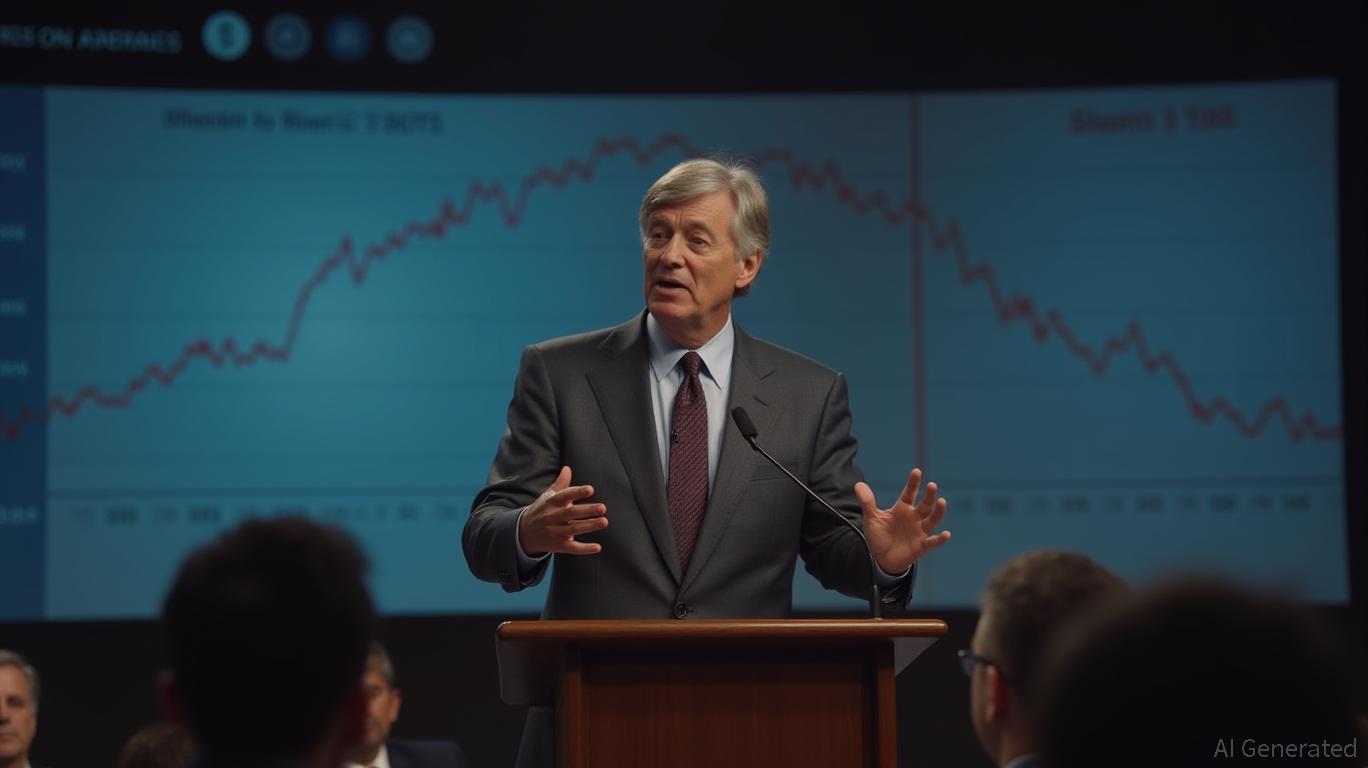
Glapinski says Poland's inflation stabilization is sustained
TL;DR
Poland's central bank confirms sustained inflation stabilization, with Governor Glapiński projecting inflation within target range for 2026. Dovish policy outlook includes potential rate cuts, supported by domestic and global disinflationary factors.
Tags
Glapinski says Poland's inflation stabilization is sustained
Poland’s Central Bank Confirms Sustained Inflation Stabilization Amid Dovish Policy Outlook
Poland’s National Bank of Poland (NBP) has reaffirmed that the decline in inflation is “durable,” with Governor Adam Glapiński emphasizing a favorable outlook for price stability in 2026. At the January 2026 press conference, Glapiński noted that inflation, which stood at 2.4% in December 2025, is projected to remain within the NBP’s target range of 2.5% ±1 percentage point throughout the year. This assessment reflects a shift in the central bank’s rhetoric, as policymakers have increasingly downplayed upside inflation risks while highlighting disinflationary trends both domestically and globally.
Domestic factors contributing to the stabilization include easing service-sector inflationary pressures and slowing wage growth, which Glapiński described as “a key determinant of the durable decline.” Globally, low energy prices, rising imports of affordable goods from China, and productivity gains have reinforced disinflationary conditions. The NBP also cited the broader economic context, with Poland’s real GDP in Q3 2025 reaching 17% above pre-pandemic levels, supported by an average annual growth rate of nearly 4% since 2004—triple the eurozone’s pace.
Monetary policy remains dovish, with the Monetary Policy Council poised to continue easing. While the benchmark rate was held at 4.00% in January 2026, Glapiński indicated that further 25-basis-point cuts could follow as early as March, contingent on incoming data. The central bank’s target rate is expected to stabilize near 3.50% by year-end, reflecting a “fine-tuning” approach to monetary policy. Analysts anticipate a gradual reduction to 3.25% by December 2026, balancing the risk of undershooting the inflation target with growth considerations.
Upside risks, such as fiscal imbalances and potential demand surges, remain on the radar but have diminished in prominence. Glapiński underscored that policy decisions will remain data-dependent, with a focus on maintaining low inflation and supporting robust growth through 2027.
In summary, Poland’s central bank appears confident in its inflation trajectory, with a dovish stance and incremental rate cuts expected to underpin economic stability in the coming months.
ING Think, January 2026: ING Think, January 2026
Bloomberg, January 15, 2026: Bloomberg, January 15, 2026
ING Think, January 2026: ING Think, January 2026
Bloomberg, January 15, 2026: Bloomberg, January 15, 2026