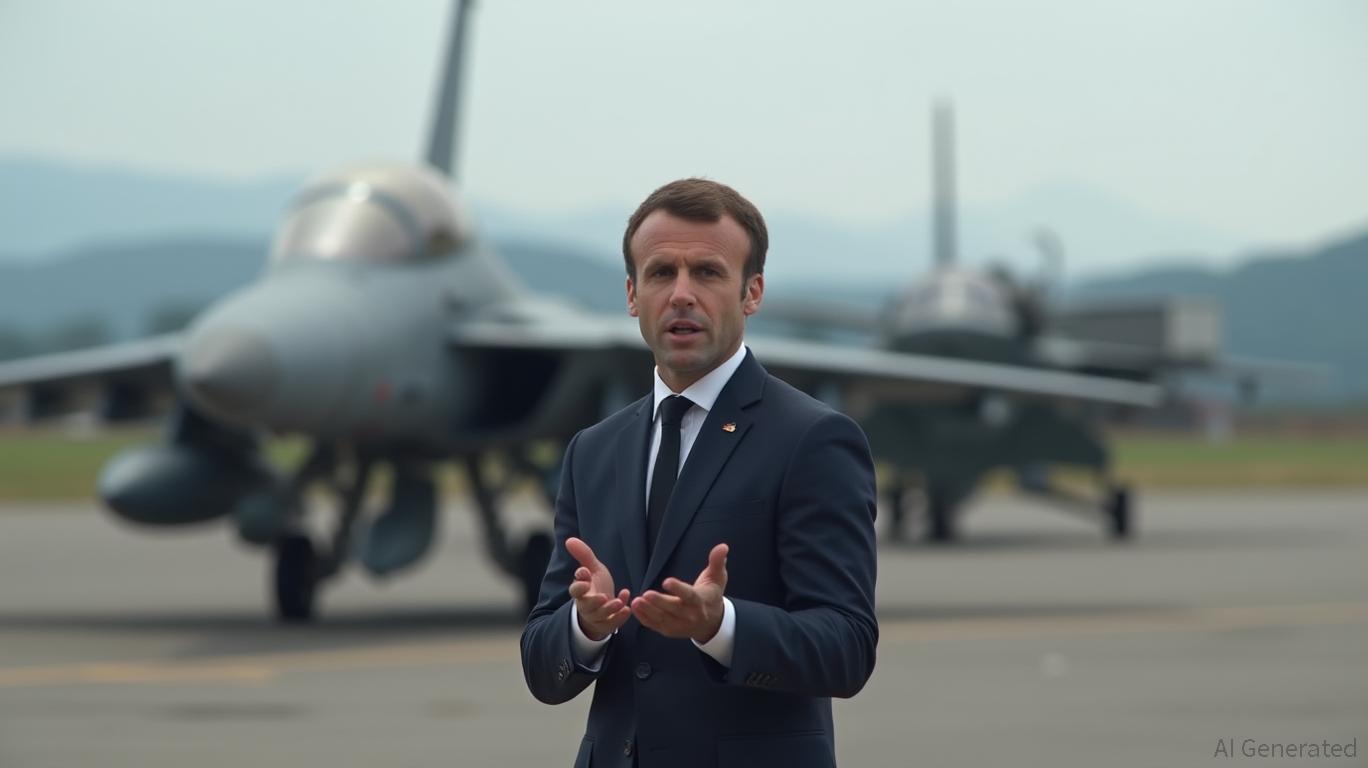
France’s President Macron: Rafales, anti-air systems and air radars were deployed in recent hours and will continue.
TL;DR
France has deployed Rafale jets, anti-air systems, and radars in the Gulf and Red Sea to counter threats like Iranian drones, while also shifting nuclear deterrence policy with European allies to enhance strategic autonomy amid U.S. reliability concerns.
Tags
France’s President Macron: Rafales, anti-air systems and air radars were deployed in recent hours and will continue.
France Enhances Military Posture in Gulf and Red Sea Amid Geopolitical Tensions
France has intensified its military presence in the Gulf and Red Sea regions, deploying Rafale fighter jets, anti-air systems, and advanced radar capabilities to safeguard its interests and allied assets amid escalating regional threats. The measures follow a drone strike on a French military facility in the UAE and broader concerns over Iranian aggression according to reports.
President Emmanuel Macron announced a strategic shift in France's nuclear deterrence policy on March 2, 2026, emphasizing closer coordination with eight European allies—Britain, Germany, Poland, the Netherlands, Belgium, Greece, Sweden, and Denmark—while retaining sole authority over nuclear strike decisions as detailed in reports. This move aims to bolster European strategic autonomy amid growing skepticism about U.S. reliability in defense commitments. Macron's "forward deterrence" strategy includes temporary deployment of French nuclear-armed aircraft to allied territories and enhanced integration of conventional European capabilities, such as early warning systems and air defense networks according to analysis.
Simultaneously, France has deployed Rafale fighters to the UAE to conduct air defense operations, intercepting Iranian drones and missiles. The jets, equipped with Meteor and MICA missiles, operate alongside SPECTRA electronic warfare systems to protect French bases and personnel in Abu Dhabi according to reports. Additionally, two advanced frigates are being dispatched to the Red Sea to reinforce the EU's Aspides mission, which safeguards commercial shipping from Houthi drone attacks. These frigates, fitted with Aster missile systems and anti-drone capabilities, join Greek and Italian vessels in the operation according to coverage.
The deployments underscore France's dual focus on defensive resilience and regional influence. With approximately 900 military personnel stationed in the UAE and strategic partnerships across the Gulf, Paris aims to deter Iranian escalation while protecting critical trade routes. However, the increased military activity raises questions about France's defense budget sustainability, particularly amid economic challenges and a planned expansion of nuclear warheads—a first since the 1990s as reported.
Analysts note that France's actions reflect broader European efforts to reduce reliance on U.S. security guarantees, though NATO remains a cornerstone of collective defense. The financial and operational costs of these initiatives could shape future defense spending trends across the EU, particularly as regional tensions persist according to analysis.