Ukrainian President Zelenskiy said Ukrainian forces struck a fuel depot in Russian-occupied Crimea and oil and gas transport facilities in Russia's Kr...
Ukrainian forces have continued their long-range drone campaign against Russian energy infrastructure, with recent strikes targeting fuel depots and transport facilities in Russian-occupied Crimea and the Krasnodar region. According to Ukrainian military reports, the strikes are part of an effort to disrupt Russia’s fuel supply chain and isolate occupied Crimea from the mainland. The attacks have intensified amid growing fuel shortages in multiple Russian regions, with over 25 oblasts experiencing gasoline rationing as of early June.
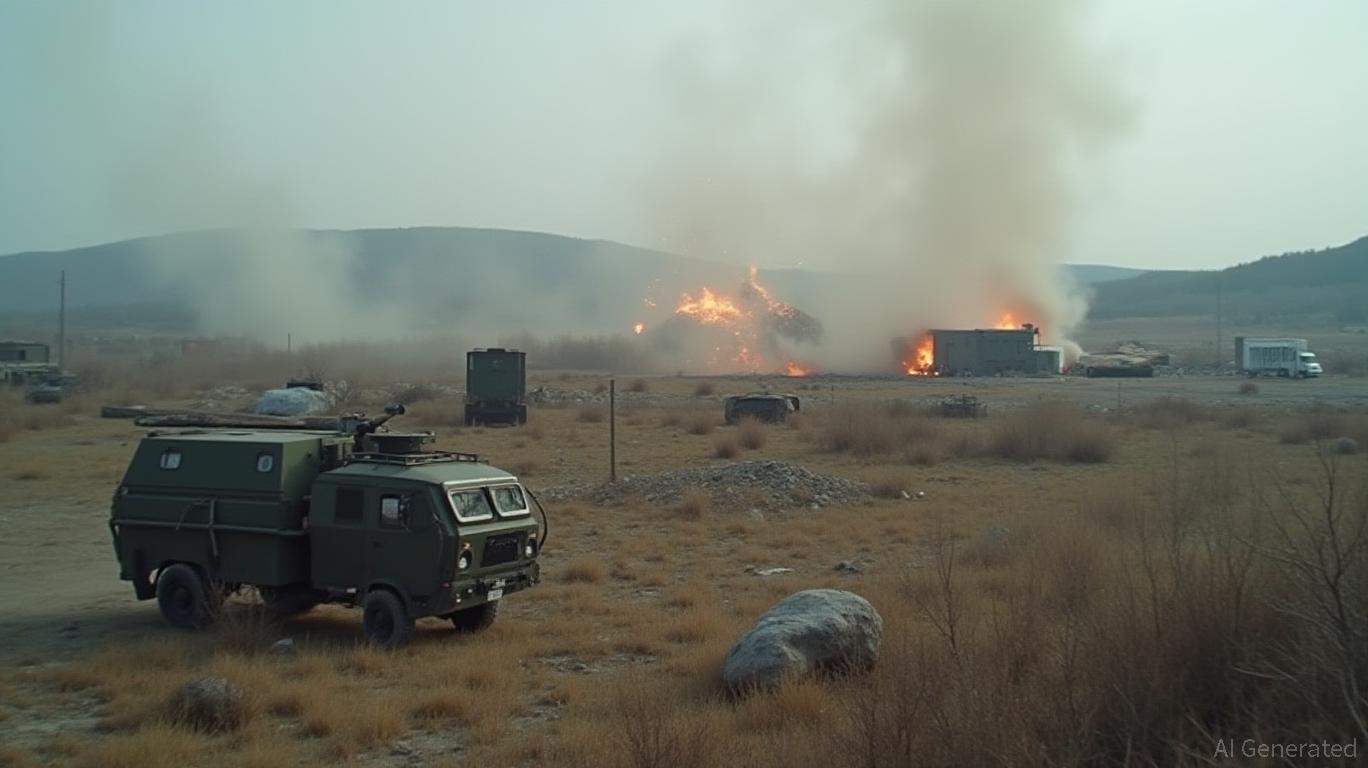
On June 19 and 20, Ukrainian Unmanned Systems Forces reportedly struck the Hlibivka underground gas storage facility in Crimea and the Tavriiska Thermal Power Plant in Simferopol, with visible smoke reported from the latter. In the Krasnodar region, a drone strike ignited a fire at an oil depot in Poltavskaya, which serves as a key distribution point for gas stations in the region. The depot’s disruption has exacerbated existing fuel shortages in Krasnodar Krai and neighboring Adygea.
Ukrainian President Volodymyr Zelensky highlighted the strategic significance of these operations, emphasizing that they are part of a broader effort to weaken Russia’s war economy. Zelensky noted that the strikes extend beyond occupied territories, reaching deep into Russian energy infrastructure, including a major oil refinery in Moscow. The Russian government has attempted to mitigate the impact of these attacks through subsidies and regulatory adjustments, including allowing the sale of lower-grade gasoline. However, analysts suggest that these measures do not address the underlying issue of damaged refining capacity.
The ongoing drone campaign has contributed to a decline in Russia’s oil refining output, which fell below 4 million barrels per day in early June—the lowest level in 21 years. As Ukraine continues to target key energy nodes, the financial and logistical strain on Russia’s energy sector is expected to persist, with potential implications for global energy markets.