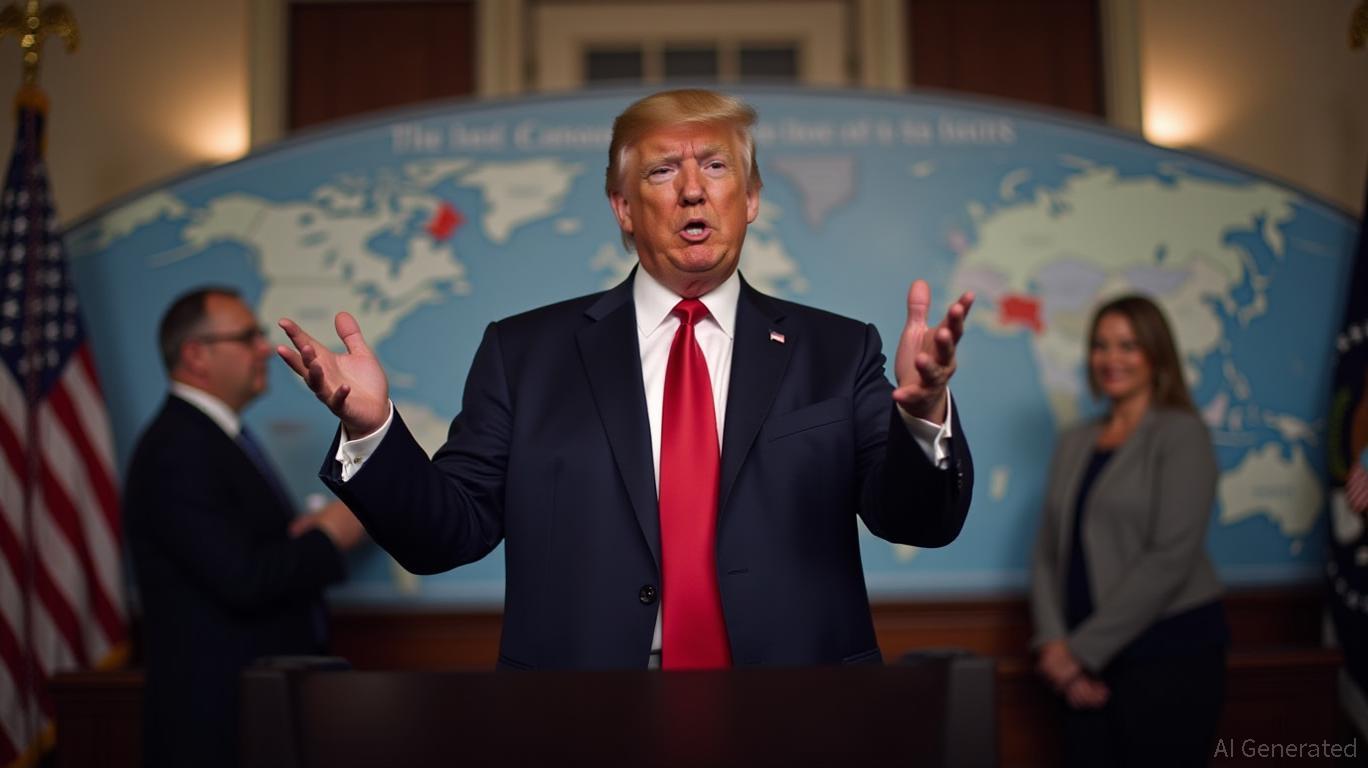
Trump: Potentially higher tariffs. They can be whatever we want them to be. Tariff rates will be very reasonable for nations.
TL;DR
The U.S. Supreme Court ruled that President Trump exceeded his authority by using IEEPA to impose broad tariffs, potentially lowering rates, but the administration plans to use alternative statutes like Section 232 to maintain high tariffs.
Tags
Trump: Potentially higher tariffs. They can be whatever we want them to be. Tariff rates will be very reasonable for nations.
Supreme Court Ruling Limits Trump’s Tariff Authority, but Alternatives Remain
The U.S. Supreme Court on February 20, 2026, ruled 6-3 that President Donald Trump exceeded his authority by using the International Emergency Economic Powers Act (IEEPA) to impose broad tariffs on imports from nearly all U.S. trading partners. The decision, which invalidates tariffs levied under IEEPA, marks a significant legal and economic shift, though the administration has signaled it will pursue alternative statutory pathways to maintain high tariff rates.
The court’s majority opinion, authored by Chief Justice John G. Roberts Jr., emphasized that IEEPA does not explicitly authorize the president to impose tariffs, which are traditionally a congressional power under the Constitution. The ruling could reduce the average effective tariff rate from 16.9% to approximately 9%, according to John Ricco of the Yale University Budget Lab, though this would still be significantly higher than the pre-2025 rate of 2%. Analysts estimate that striking down IEEPA tariffs could cut the average consumer's annual tariff burden by roughly $700 in 2026.
Despite the setback, the Trump administration has outlined contingency plans to sustain its tariff agenda using other statutes, such as Section 232 of the Trade Expansion Act of 1962, which authorizes tariffs for national security reasons. The administration has already applied Section 232 to goods like steel, aluminum, and automobiles. Gary Hufbauer, a former Treasury official, noted that these alternative measures could allow the administration to "get to the same place" as IEEPA tariffs.
The ruling also raises questions about refunds for businesses and consumers affected by invalidated tariffs. While the administration has not committed to compensation, economists suggest legal challenges could follow if refunds are not provided. Meanwhile, Trump has reiterated his stance that tariffs will remain "very reasonable" for nations while serving U.S. economic interests[^topic].
The court's decision underscores the legal complexities of executive trade authority but leaves ample room for the administration to maintain elevated tariffs through existing statutes, ensuring continued economic ripple effects for businesses and consumers alike.