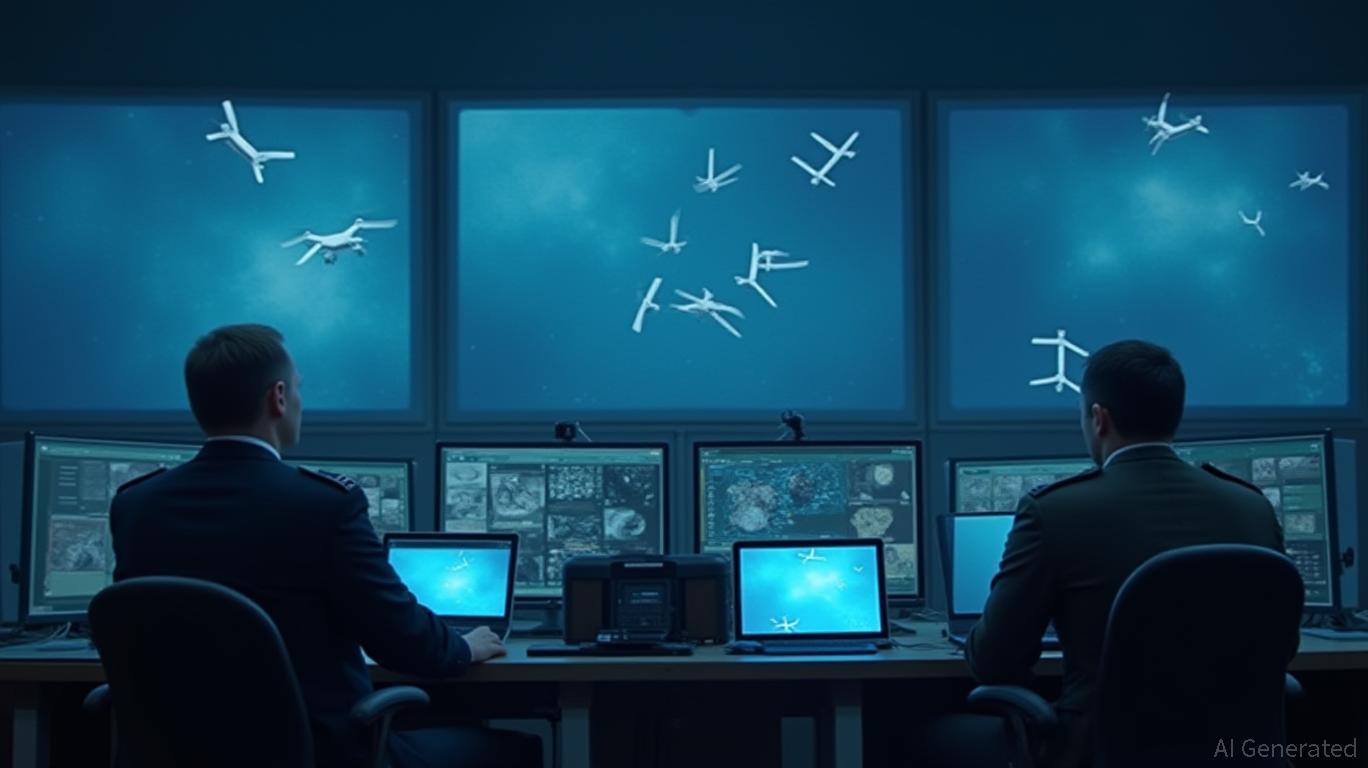
Russia intercepts 269 drones overnight, state media report citing defence ministry
Russia's defense ministry reported intercepting 269 drones overnight, according to state media, marking a significant escalation in the ongoing aerial conflict with Ukraine. This development comes amid a broader pattern of increased drone activity from both sides, with Ukraine continuing to refine its drone-based defense strategies while Russia adapts its tactics to counter these efforts.
The intercepted drones are believed to be part of Ukraine’s growing arsenal of first-person-view (FPV) and interceptor drones, which have become a cost-effective and increasingly effective tool in countering Russian aerial assaults. Ukrainian defense officials have noted doubling in Russian Shahed-style drones shot down by interceptors since the beginning of 2026, despite a concurrent rise in the number of such drones launched by Russia.
In response, Russia has begun equipping its attack drones with electronic warfare systems to disrupt Ukrainian interceptors, a move described by Ukrainian officials as a tactical but not revolutionary development. These modifications include signal jamming and other electronic interference techniques aimed at complicating the targeting and navigation systems of Ukrainian drones.
The recent drone intercepts highlight the intensifying arms race between the two nations, where each side continuously develops new technologies to gain an advantage. Ukraine’s Operation “Web” in June 2025, which targeted Russian strategic airbases with a large-scale FPV drone strike, demonstrated growing sophistication and reach of Ukrainian drone capabilities. In contrast, Russia’s recent barrage of 656 drones and 73 missiles, which resulted in 13 civilian deaths and over 100 injuries, underscores scale and persistence of attacks.
As both sides continue to invest in drone technology and countermeasures, the financial implications for defense budgets and industrial production remain significant. The war has accelerated the development and deployment of unmanned systems, reshaping the landscape of modern aerial warfare and prompting global defense planners to reassess traditional assumptions about air superiority and rear-area security.