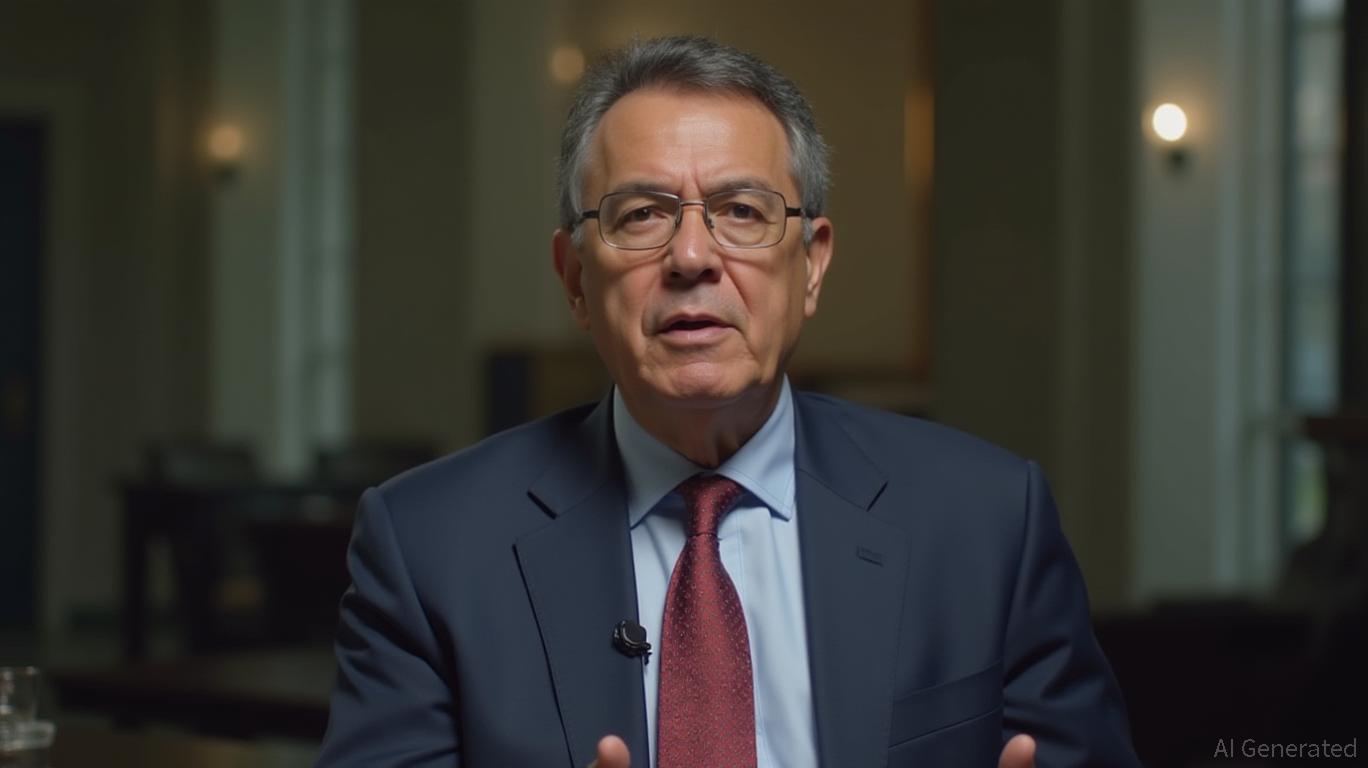
Int'l, local oil investment deals should be respected: Rodriguez
TL;DR
Venezuela's oil reforms, signed by acting President Delcy Rodríguez, aim to attract investment by allowing private management, independent arbitration, and flexible royalties, while asserting sovereignty amid U.S. influence.
Tags
Int'l, local oil investment deals should be respected: Rodriguez
Venezuela’s Oil Reforms Aim to Attract Investment Amid Geopolitical Shifts
Venezuela’s acting President Delcy Rodríguez has signed a sweeping overhaul of the nation’s oil industry, marking a departure from decades of state control and signaling a renewed push to attract foreign and domestic investment. The legislation, approved by the National Assembly on January 29, 2026, allows private companies to manage oil production and sales, ending the monopoly of state-owned Petróleos de Venezuela SA (PDVSA) over these activities. The reform also introduces independent arbitration for disputes, a key demand of foreign investors seeking legal safeguards against expropriation.
The changes align with U.S. policy shifts, including the easing of sanctions on Venezuelan oil by the Treasury Department, which had previously crippled the industry under successive administrations. U.S. officials, including Secretary of State Marco Rubio, have emphasized plans to oversee oil revenue flows and facilitate investment, while Treasury Secretary Scott Bessent has asserted Washington's influence over Venezuela’s executive decisions. Rodríguez, however, has reiterated that Venezuela “does not take orders from any external actor,” emphasizing sovereignty in domestic governance.
The reform caps extraction royalties at 30% and grants the executive branch flexibility to adjust percentages based on project-specific needs, aiming to balance revenue collection with investor incentives. It also mandates transparency measures, though opposition lawmakers have called for additional accountability provisions, such as public disclosure of funding details.
Rodríguez’s government projects a 55% increase in oil sector investment by 2026, supported by $1.4 billion in planned spending. The strategy leverages “productive participation contracts” under the Anti-Blockade Law, which has already secured 29 agreements with companies like Chevron, a long-term partner in Venezuela’s oil industry.
While the reforms seek to reverse economic decline and revitalize Venezuela’s oil-dependent economy, challenges remain. The country’s history of nationalizations under Hugo Chávez and Nicolás Maduro, coupled with lingering corruption concerns, may test the credibility of promises to respect investment deals. For now, the law represents a pivotal step in reshaping Venezuela’s energy landscape amid complex geopolitical dynamics.