Meta’s metaverse leaves virtual reality
TL;DR
Meta is shifting Horizon Worlds from VR to a mobile-first platform, separating it from Quest VR. This reflects a broader pivot away from metaverse investments toward AI wearables and models.
Key Takeaways
- •Meta is making Horizon Worlds 'almost exclusively mobile' and separating it from its Quest VR platform.
- •The company is significantly rethinking its VR ambitions after Reality Labs lost nearly $80 billion since 2020.
- •Meta is pivoting from metaverse investments to focus on AI wearables and advancing its own AI models.
- •Horizon Worlds aims to compete with platforms like Roblox and Fortnite by targeting a larger mobile market.
- •Meta continues developing VR hardware but with a more tailored approach as the market matures.
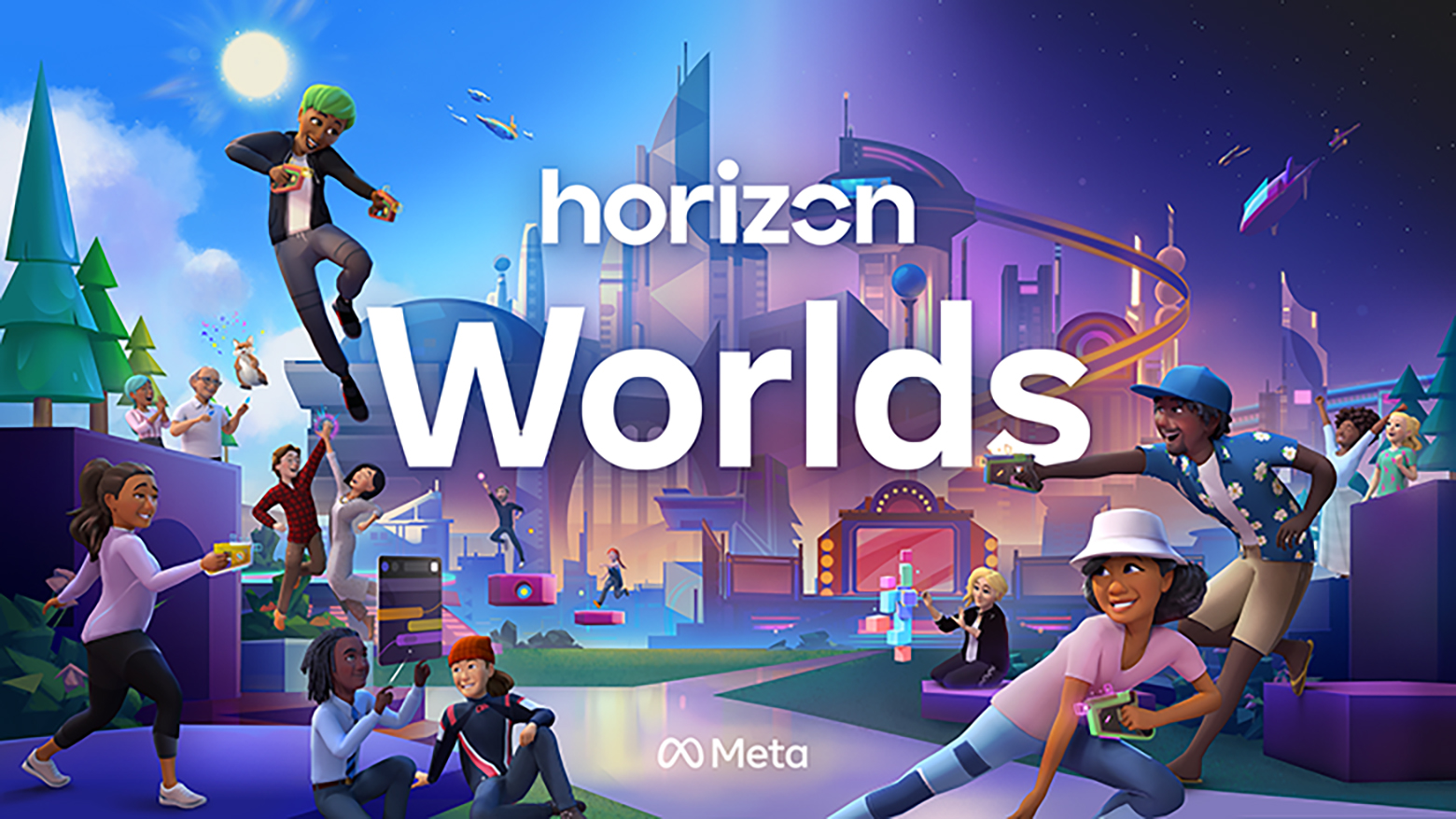
Meta announced a major update for its immersive virtual world, Horizon Worlds, on Thursday that will see it leave the metaverse behind. The tech giant said it’s shifting focus for Horizon Worlds to be “almost exclusively mobile” and that it’s “explicitly separating” its Quest VR platform from the virtual world.
Meta’s Reality Labs division for VR and smart glasses development has lost nearly $80 billion since 2020. The update to Horizon Worlds, and other recent moves, signals that Meta is significantly rethinking its VR ambitions.
Last month, the company reportedly laid off roughly 1,500 employees from its Reality Labs division — about 10% of the unit’s staff — and shut down several VR game studios. Additionally, it was reported that the VR fitness app Supernatural, which Meta acquired in 2023, will no longer produce new content and will move into “maintenance mode.”
Horizon Worlds originally launched in 2021 as a VR platform and later rolled out to the web and mobile. Meta said Thursday that to “truly change the game and tap into a much larger market, we’re going all-in on mobile.”
By going mobile-first, Horizon Worlds is positioning itself to compete with popular platforms like Roblox and Fortnite.
“We’re in a strong position to deliver synchronous social games at scale, thanks to our unique ability to connect those games with billions of people on the world’s biggest social networks,” Samantha Ryan, Reality Labs’ VP of content, said in the blog post. “You saw this strategy start to unfold in 2025, and now, it’s our main focus.”
Ryan went on to note that Meta is still focused on VR hardware.
Save up to $300 or 30% to TechCrunch Founder Summit
1,000+ founders and investors come together at TechCrunch Founder Summit 2026 for a full day focused on growth, execution, and real-world scaling. Learn from founders and investors who have shaped the industry. Connect with peers navigating similar growth stages. Walk away with tactics you can apply immediately.
Offer ends March 13.
Save up to $300 or 30% to TechCrunch Founder Summit
1,000+ founders and investors come together at TechCrunch Founder Summit 2026 for a full day focused on growth, execution, and real-world scaling. Learn from founders and investors who have shaped the industry. Connect with peers navigating similar growth stages. Walk away with tactics you can apply immediately
Offer ends March 13.
“We have a robust roadmap of future VR headsets that will be tailored to different audience segments as the market grows and matures,” Ryan wrote.
Meta’s metaverse ambitions have effectively been abandoned in favor of AI. After shifting its Reality Labs investments away from the metaverse, Meta is now focused on developing AI wearables and advancing its own AI models.
During Meta’s latest earnings call last month, Meta CEO Mark Zuckerberg said, “It’s hard to imagine a world in several years where most glasses that people wear aren’t AI glasses.”
The exec also stated that sales of Meta’s glasses tripled within the last year, calling them “some of the fastest-growing consumer electronics in history.”