IRGC says it hit US bases in Kuwait and Bahrain with ballistic missiles in retaliation for US attacks on Iranian sites in the Gulf - statement
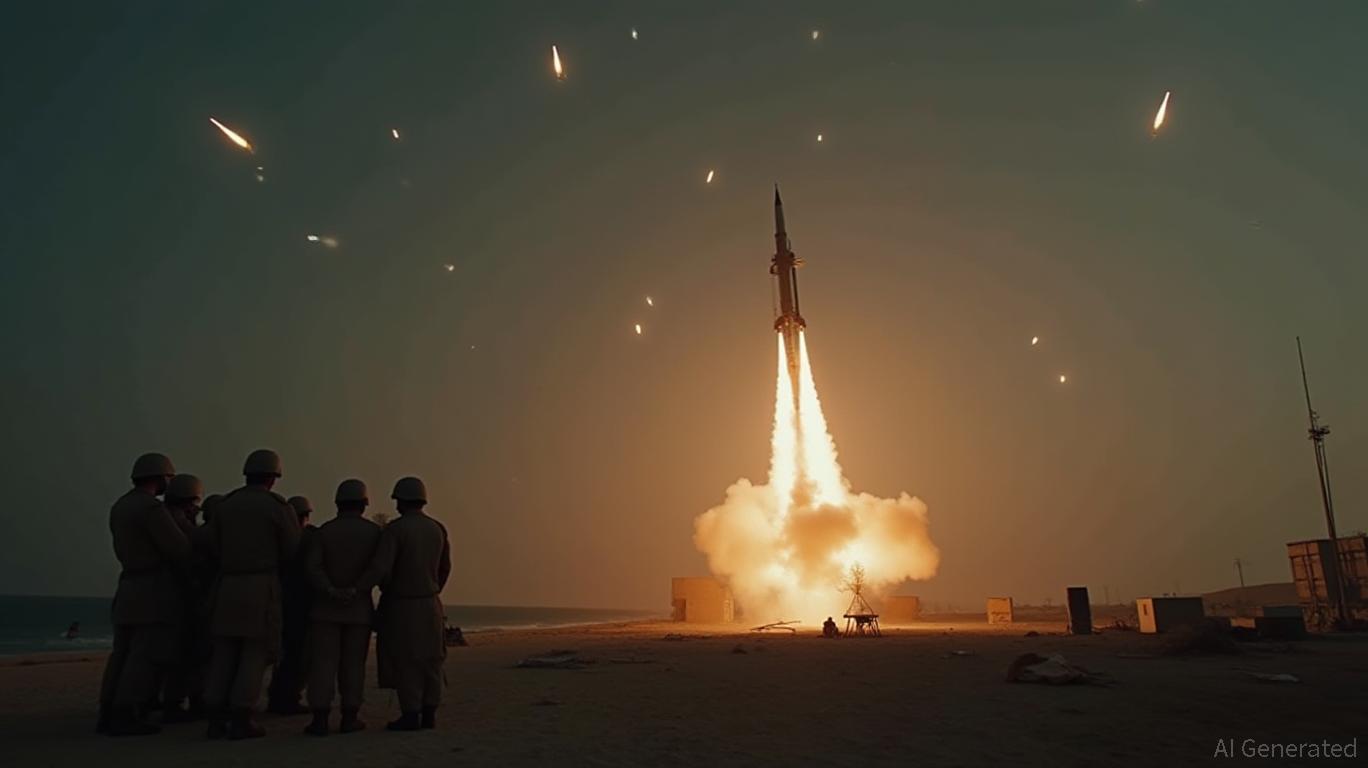
Iran’s Islamic Revolutionary Guard Corps (IRGC) has confirmed launching ballistic missiles and drones at U.S. military bases in Kuwait and Bahrain as part of a retaliatory operation following U.S. and Israeli airstrikes on Iranian sites in the Gulf. The IRGC claimed responsibility for targeting key installations, including the headquarters of the U.S. Navy’s Fifth Fleet in Bahrain and U.S. bases in Kuwait, such as Camp Patriot and Camp Buehring. The attacks, which occurred amid heightened regional tensions, were described by the IRGC as a necessary response to what it called “aggression” by the U.S. and Israel.
The U.S. military reportedly intercepted some of the incoming missiles, but damage was reported at several locations, including Kuwait International Airport, where at least one person was injured. In Bahrain, footage showed an Iranian Shahed drone striking a building near the U.S. Navy’s 5th Fleet headquarters, causing significant damage. The Gulf states, including Kuwait and Bahrain, have condemned the attacks and emphasized their right to self-defense, while also calling for de-escalation.
The strikes have raised concerns about the potential for further escalation in the region, particularly as Gulf states weigh their response to repeated Iranian attacks on energy infrastructure. Saudi Arabia’s Foreign Minister, Prince Faisal bin Farhan Al Saud, warned that patience with Iran’s actions is limited and that Gulf states possess significant military capabilities that could be deployed if necessary. Analysts suggest that Gulf states are now considering whether to shift from a defensive posture to a more offensive stance, though any such move carries risk of further retaliation from Iran.
The U.S. has also taken direct action in response to Iran’s aggression, including the use of a Hellfire missile to disable a Botswana-flagged oil tanker en route to Iran’s Kharg Island, a critical oil export hub. The move underscores the Trump administration’s broader strategy of enforcing a maritime embargo to limit Iran’s economic lifelines.
As the situation continues to evolve, the financial markets are closely monitoring developments in the Gulf, particularly the potential for disruptions to oil and gas exports through the Strait of Hormuz. The region’s energy infrastructure has already been targeted in recent weeks, with Qatar’s Ras Laffan terminal liquefied natural gas terminal among the sites hit. Analysts warn that further attacks could have implications for global energy markets and regional stability.