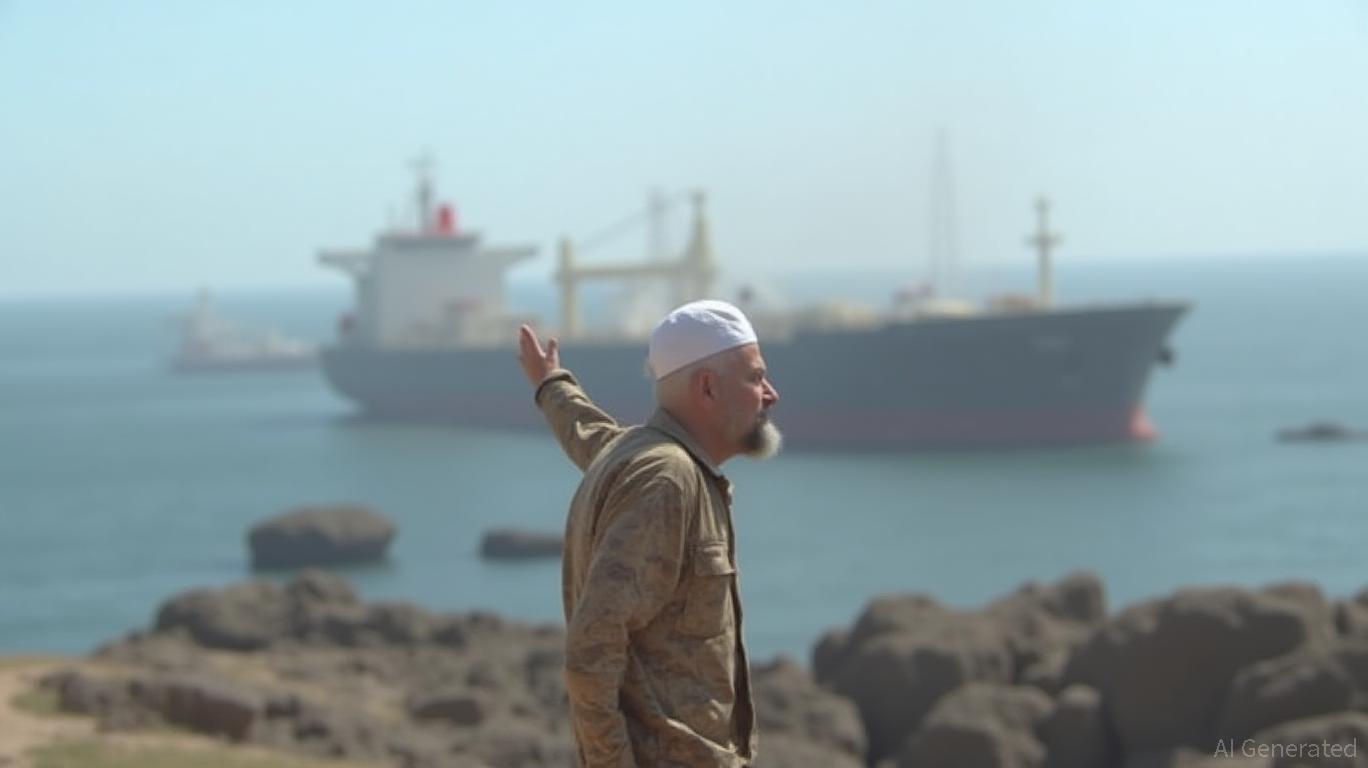
Iran's Kharg Island oil exports continue normally despite attack - IRNA citing senior provincial official
TL;DR
U.S. strikes on Iran's Kharg Island targeted military sites, sparing oil infrastructure to avoid market disruption. Iran reports oil exports continue normally, but tensions and potential Strait of Hormuz closure threaten long-term stability.
Tags
U.S. military forces reportedly bombed Iran’s Kharg Island, a critical hub for the country’s oil exports, on March 13, 2026, according to President Donald Trump, who claimed the operation targeted military facilities while deliberately avoiding oil infrastructure. Despite the strikes, Iran’s state-run IRNA reported that oil exports through the island continued uninterrupted, citing a senior provincial official. Kharg Island handles approximately 90% of Iran’s crude exports, with typical throughput ranging between 1.3 million and 1.6 million barrels per day, though recent volumes had surged to 3 million barrels daily amid heightened tensions.
Analysts warn that damaging Kharg’s infrastructure could trigger a sharp rise in global oil prices, potentially pushing Brent crude above $150 per barrel, given the island’s role as a key chokepoint for Middle East oil flows. However, U.S. and Israeli strikes have so far focused on military and nuclear sites, with oil facilities spared to avoid destabilizing global markets. Trump emphasized that the decision to avoid oil infrastructure could change if Iran disrupts shipping through the Strait of Hormuz.
The Strait of Hormuz, already volatile due to Iranian mine-laying activities and attacks on tankers, carries 20% of global oil supplies. U.S. officials have sought to mitigate price spikes by temporarily lifting sanctions on Russian oil and coordinating with allies to release strategic reserves. Meanwhile, Iran’s new supreme leader, Mojtaba Khamenei, has vowed to maintain the strait’s closure, escalating regional risks.
While Iran asserts operational continuity at Kharg, the long-term stability of exports remains uncertain amid ongoing military escalation and geopolitical uncertainty.