Iran's missile resilience challenges US forces - FT
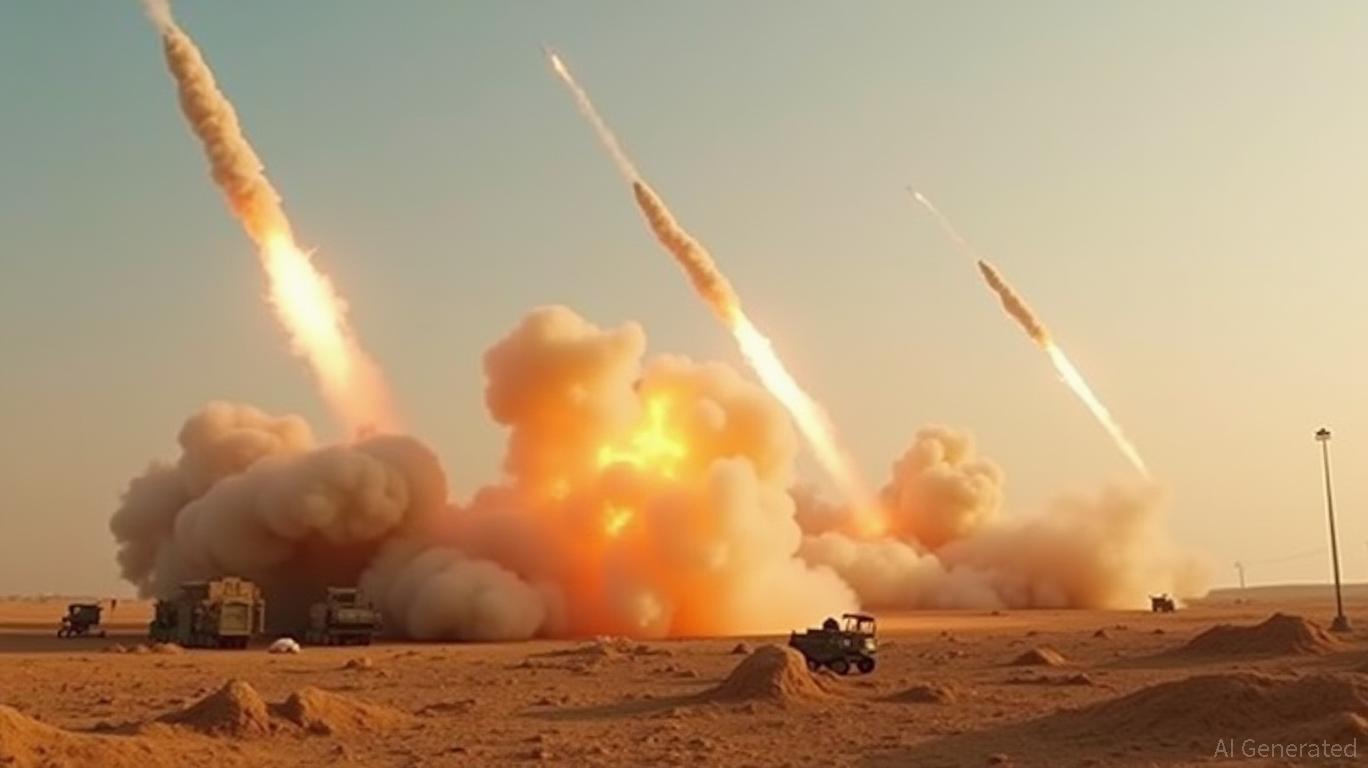
The ongoing conflict between U.S. and Israeli forces and Iran has highlighted significant financial and operational challenges for Western military strategies. Despite substantial investment in advanced air and missile defense systems, U.S. and Israeli forces have struggled to counter Iran’s asymmetric warfare tactics, which rely on cost-effective, precision-guided drones and missiles. Iranian strikes have targeted critical infrastructure, including Gulf and Saudi oil and gas facilities, U.S. military bases, and populated areas in Israel, while also disrupting oil exports through the Strait of Hormuz.
The financial burden of defense has been considerable. Gulf states have expended hundreds of Patriot interceptors—each valued at $4 million—to counter Iranian Shahed drones, which cost significantly less. Similarly, Israel has used scarce Arrow 3 interceptors to counter Iranian ballistic missiles. These high costs are compounded by the rapid depletion of air-defense stockpiles, particularly of high-end systems like THAAD and Arrow 3, which cannot be quickly replenished.
The conflict underscores a growing asymmetry in military economics, where the attacker’s costs are increasingly lower than those of the defender. This dynamic has broader implications for global defense strategies, particularly for Europe, which faces similar challenges countering Russia.