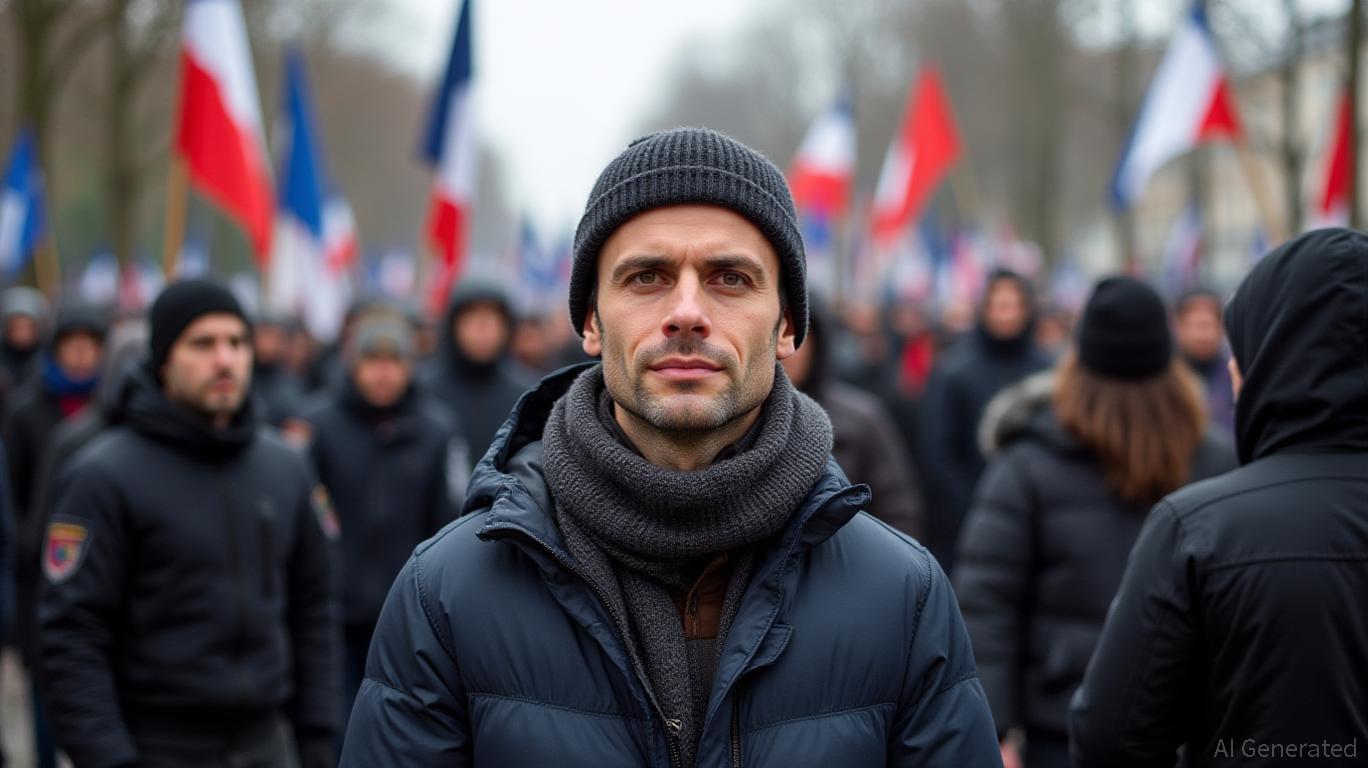
Macron calls for 'calm' as France braces for tribute to far-right activist Quentin Deranque
TL;DR
French President Macron urges calm amid tensions over a far-right activist's death, sparking political divisions and economic concerns. The incident involves charges against a far-left aide and international reactions, highlighting risks of polarization and instability.
Tags
Macron calls for 'calm' as France braces for tribute to far-right activist Quentin Deranque
Political Tensions and Economic Implications as France Mourns Far-Right Activist
France faces heightened political and social tensions following the death of far-right activist Quentin Deranque, 23, who died after a violent clash between far-right and anti-fascist groups in Lyon on February 12. The incident has sparked a planned march in his honor, drawing condemnation from President Emmanuel Macron, who urged political parties to exercise "restraint" and called for "clean house" measures across extremist factions, including the far left and far right according to reports.
A parliamentary aide to the far-left France Unbowed (LFI) party, Jacques-Elie Favrot, has been charged with complicity in Deranque's death, alongside two others. The case has intensified divisions, with the far-right National Rally (RN) leveraging the incident to criticize left-wing "dehumanising rhetoric" and demand stricter university oversight, accusing institutions of fostering left-wing indoctrination as reported. Meanwhile, LFI leader Jean-Luc Mélenchon condemned the violence but ruled out severing ties with anti-fascist groups.
The fallout extends beyond domestic politics. The European Parliament's far-right Patriots for Europe group has sought a minute of silence for Deranque during a session marking the Ukraine war anniversary, echoing last year's contentious tribute to U.S. activist Charlie Kirk according to EuroNews. Internationally, figures like Italian Prime Minister Giorgia Meloni and U.S. State Department officials have framed the incident as evidence of rising "violent radical leftism," potentially influencing transnational policy debates as observed.
Economically, the crisis underscores risks associated with political polarization and social unrest. Increased security spending, potential disruptions to public order, and strained inter-party negotiations could impact fiscal planning. Analysts note that prolonged instability may deter foreign investment, particularly if political tensions escalate ahead of March municipal elections according to analysis.
As France navigates this volatile moment, the government's ability to balance security, civil liberties, and political dialogue will be critical in mitigating long-term economic and social costs. Investors are advised to monitor developments in policy reforms and public spending allocations in response to the crisis.