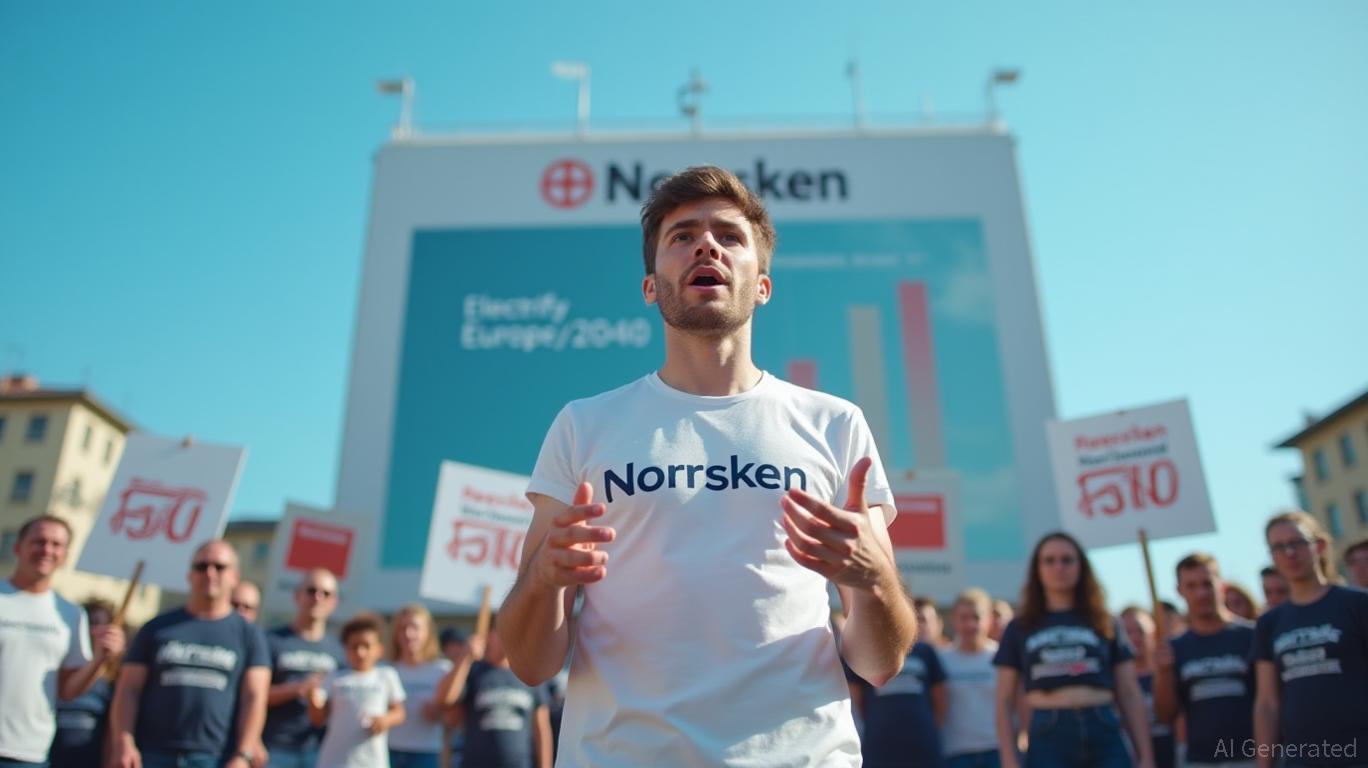
Norrsken: We want to see Europe electrify up to 50% by 2040
A coalition of European investors, corporations, and startups has called for a transformative shift in the continent’s energy strategy, urging policymakers to commit to making Europe the world’s first “electro-continent” by 2040. The initiative, led by Norrsken VC and supported by entities such as H&M, Oatly, and Einride, seeks to increase electricity share to 50%, doubling the current level of approximately 25%.
The open letter highlights Europe’s growing vulnerability to energy price shocks, citing three major disruptions since 2022—Russia’s manipulation of gas pipelines, Red Sea shipping disruptions, and the closure of the Strait of Hormuz. These events have led to significant financial strain, with the EU paying an estimated €1 trillion in energy crisis premiums between 2021 and 2025. The coalition argues that this recurring instability underscores the need for a shift away from imported fossil fuels toward domestically produced clean electricity.
According to David Frykman, Founding General Partner of Norrsken VC, the initiative is not just about environmental sustainability but also about economic resilience and competitiveness. “Europe runs on fuel it does not own, shipped through waters it does not control,” he stated. “The only cheap energy Europe can produce at scale is clean electricity”. The coalition emphasizes that up to 90% of the European economy could be electrified using existing technologies, yet progress has been slow, with electrification levels stagnating for over a decade.
The proposal outlines a practical roadmap, including doubling electrification across sectors such as transport and heavy industry, accelerating permitting for renewable projects, and enhancing cross-border energy integration. Frykman noted that while the technology exists, regulatory and political barriers remain significant obstacles. For example, Sweden recently canceled plans for 13 offshore wind farms due to national security concerns, despite the projects being shovel-ready and capable of doubling electricity generation capacity.
The coalition also highlights the growing competitiveness gap between Europe and other global economies, particularly in energy-intensive sectors like AI and data infrastructure. Industrial electricity prices in the EU are roughly twice those in the United States and 50% higher than in China, according to the International Energy Agency. This cost disadvantage threatens Europe’s ability to attract and retain high-tech industries.
Despite these challenges, the coalition remains optimistic. It points to the declining costs of renewable energy—solar costs have dropped over 90% in the past decade—and the increasing affordability of clean energy compared to fossil fuels. Wind and solar generated more electricity than fossil fuels in the EU for the first time in 2025. The coalition argues that with the right policy signals, Europe can leverage its lack of domestic fossil fuel resources as a catalyst for leadership in the global clean energy transition.