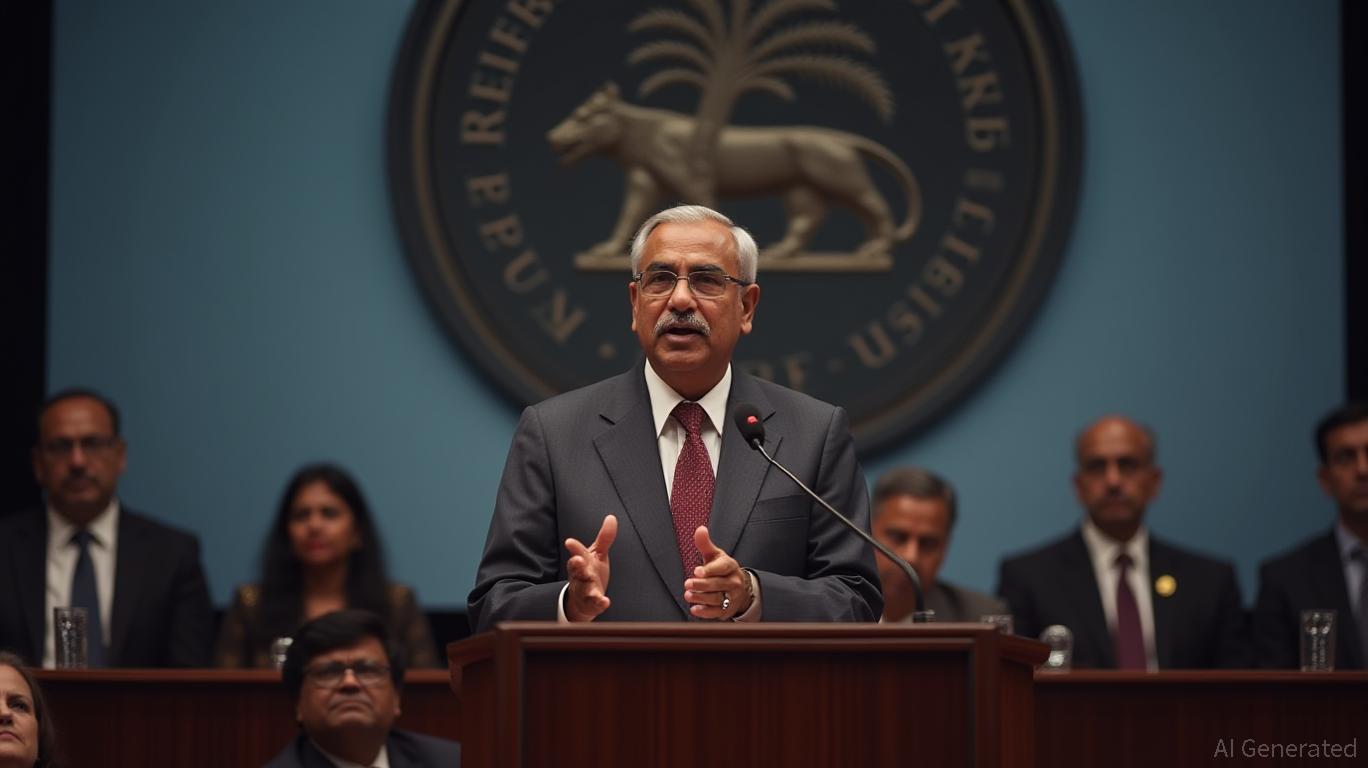
Reserve Bank of India governor: India's foreign-exchange reserves are "very healthy" and exchange-rate policy remains unchanged
India’s foreign-exchange reserves remain robust, with the Reserve Bank of India (RBI) affirming that the current levels are “very healthy.” As of January 2026, India’s foreign-exchange reserves stood at $560.9 billion, reflecting a steady increase from earlier years and providing a buffer against external shocks. These reserves include a mix of foreign currency assets, gold, and special drawing rights (SDRs), with foreign currency assets forming the largest component.
The RBI has consistently emphasized the importance of maintaining adequate reserves to support monetary and exchange rate stability. Governor Sanjay Malhotra reiterated that the central bank’s exchange-rate policy remains unchanged, with no structural shifts in its approach to managing foreign-exchange markets. Recent temporary measures, such as a $100 million cap on banks’ onshore currency positions and restrictions on non-deliverable forwards, were introduced to address short-term volatility and speculative pressures. These measures, however, are not intended to be permanent and are expected to be adjusted as market conditions stabilize.
India’s foreign-exchange reserves have grown significantly since the early 1990s, evolving from a focus on import cover to a broader framework that considers liquidity risk, capital flows, and national security concerns. The RBI’s reserve management strategy is guided by principles of safety, liquidity, and profitability, with investments in high-quality sovereign instruments. The central bank also maintains transparency by regularly publishing data on foreign-exchange reserves, including weekly updates on reserve movements and monthly reports on currency composition and liquidity positions.
Looking ahead, India’s foreign-exchange reserves are projected to remain stable, with forecasts suggesting levels around $710,000 million in 2027. The RBI continues to monitor global economic developments and domestic liquidity conditions to ensure that reserves remain aligned with the country’s macroeconomic objectives.