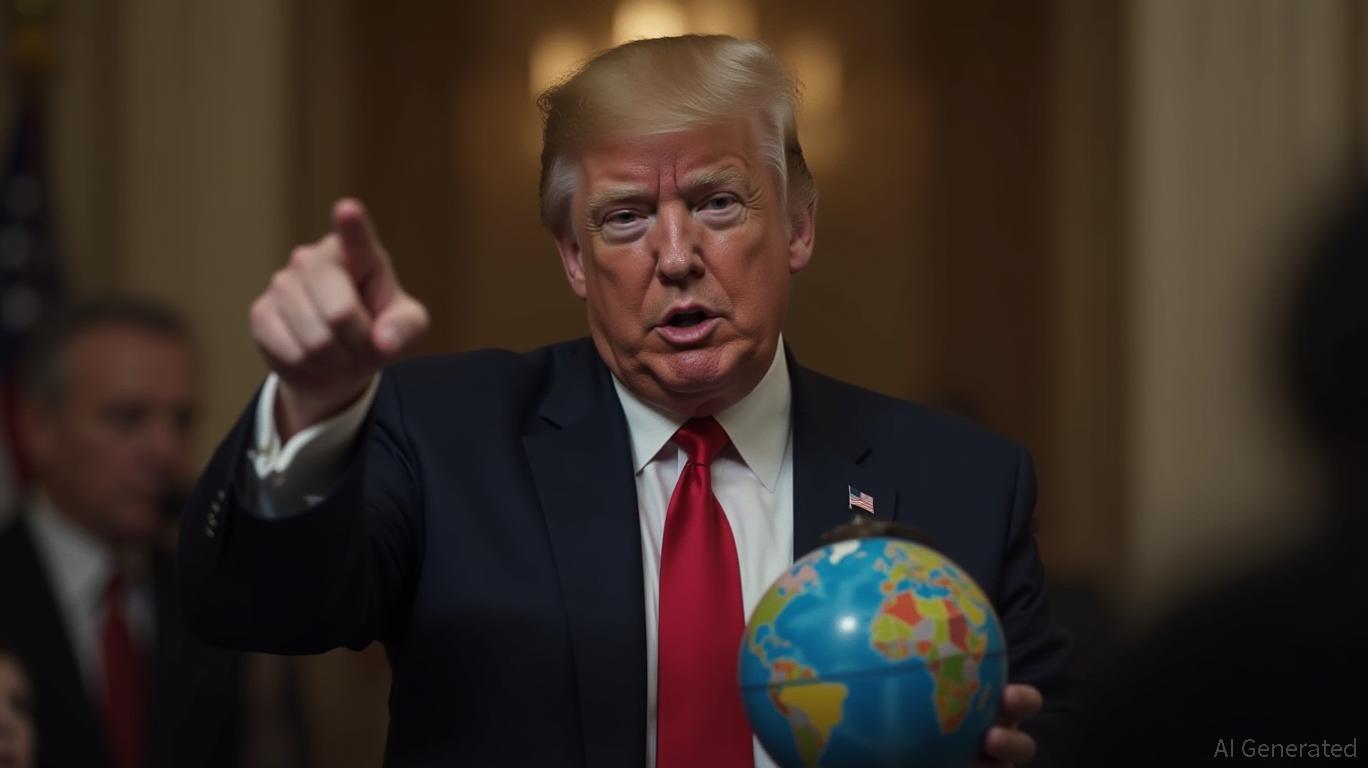
Trump: Iran wants to enrich a little bit, they don't need to with so much oil
TL;DR
Trump criticizes Iran's uranium enrichment as unnecessary due to its large oil reserves, while Iran defends it as a sovereign right for peaceful purposes. This dispute, amid stalled nuclear talks and military tensions, risks escalating conflicts and disrupting global oil markets, particularly through the Strait of Hormuz.
Trump: Iran wants to enrich a little bit, they don't need to with so much oil
Trump Asserts Iran’s Nuclear Enrichment Is Unnecessary Given Oil Resources
U.S. President Donald Trump has criticized Iran’s pursuit of uranium enrichment, stating the country has no need for such capabilities given its substantial oil reserves. “They want to enrich a little bit, but they don’t need to with so much oil,” Trump remarked, reflecting his administration’s stance that Iran’s nuclear ambitions are disproportionate to its energy wealth. This comment follows stalled negotiations in Geneva, where U.S. and Iranian officials failed to reach a deal on curbing Tehran’s nuclear program, raising concerns about potential military escalation.
Iran’s nuclear enrichment efforts have long been a point of contention. The Islamic Republic insists its program is for peaceful purposes, such as medical isotope production and energy independence, while the U.S. and its allies suspect it aims to develop nuclear weapons according to analysis. Despite Trump’s skepticism, Iran’s foreign minister, Abbas Araghchi, emphasized that enrichment is a sovereign right under the Nuclear Non-Proliferation Treaty and a symbol of national prestige. “Our enrichment activity is non-negotiable,” he stated, underscoring ideological and nationalist motivations.
The geopolitical stakes are high. The U.S. has deployed significant military assets to the Middle East, including aircraft carriers and fighter jets, while Iran has vowed to retaliate against any attack. Analysts warn that renewed hostilities could disrupt oil markets, particularly through threats to the Strait of Hormuz, which handles 18–19.5 million barrels per day of global oil transit. A CSIS report outlines scenarios where U.S. or Israeli actions targeting Iranian oil infrastructure—or Iranian retaliation against Gulf Arab states— could push Brent crude prices above $90–$100 per barrel, exacerbating global economic uncertainty.
Gulf Arab states, including Saudi Arabia and the UAE, are also vulnerable. Their non-oil economies, which have shown resilience amid low oil prices, risk reversal if regional tensions escalate. A prolonged disruption of oil exports or transit routes could strain fiscal budgets and investment flows, particularly as these nations rely on stable energy markets to fund diversification efforts.
As negotiations resume, the financial community remains watchful. Trump’s assertion that Iran’s oil wealth negates its need for enrichment contrasts sharply with Tehran’s strategic calculus, highlighting the deep divide that continues to threaten regional—and market—stability.