Iran threatens full Strait of Hormuz shutdown after missile attacks on U.S. bases
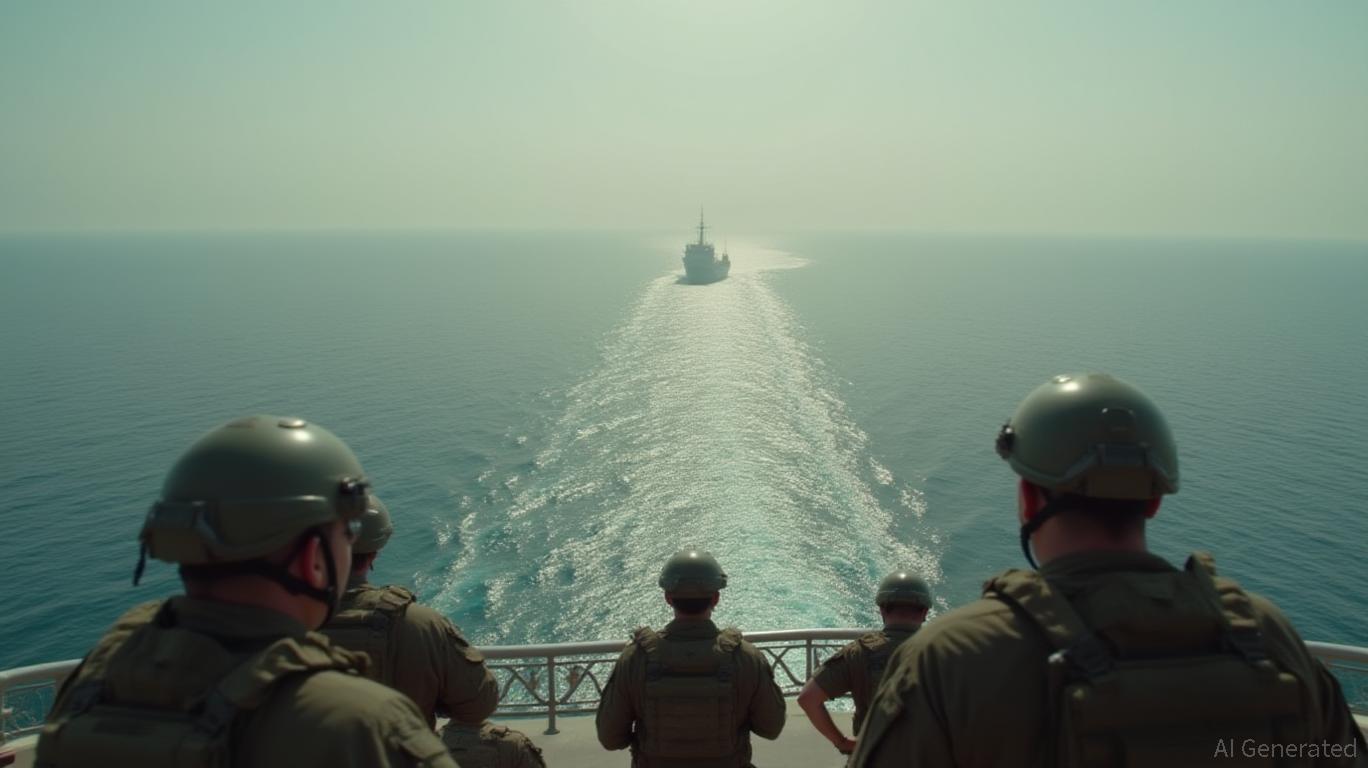
The Strait of Hormuz, a critical global energy artery, faces renewed threats of a full shutdown following escalating tensions between Iran and the United States. On March 21, 2026, Iran announced its intent to "completely close" the strait if the U.S. followed through on President Donald Trump’s ultimatum to attack Iranian power plants within 48 hours. This development comes amid a broader conflict that has already disrupted global oil markets and sent energy prices soaring.
The Strait of Hormuz, which facilitates approximately 20% of global oil and gas shipments, has been effectively closed to commercial traffic since the start of the conflict. Iranian military actions, including missile strikes on U.S. and allied bases and energy infrastructure, have intensified fears of a complete blockade. In response, the U.S. has threatened to "obliterate" Iran’s power plants, starting with the Bushehr Nuclear Power Plant, if the strait remains closed.
The U.S. and its allies have attempted to mitigate the economic fallout by easing sanctions on Iranian oil at sea and encouraging commercial purchases of stranded crude. However, Iran’s Oil Ministry has denied the existence of any available crude oil for export, calling the U.S. move a psychological ploy. Meanwhile, global oil prices have surged, with Brent crude reaching $102.38 per barrel as of March 13, 2026, up from $71.32 before the conflict began.
The economic implications of a full shutdown of the Strait of Hormuz are profound. The U.S. and its allies have prioritized targeting Iran’s minelaying capabilities and missile infrastructure to ensure the safe passage of commercial vessels. However, the complexity of the situation remains high, with conflicting reports on the presence of mines and the effectiveness of escort operations.
As the conflict continues, the financial markets remain on edge. The uncertainty surrounding energy supply and geopolitical stability has led to increased volatility in oil and gas prices, with potential long-term consequences for global trade and economic growth. Investors and financial professionals are closely monitoring developments in the region, as any further escalation could have far-reaching implications for energy markets and international commerce.