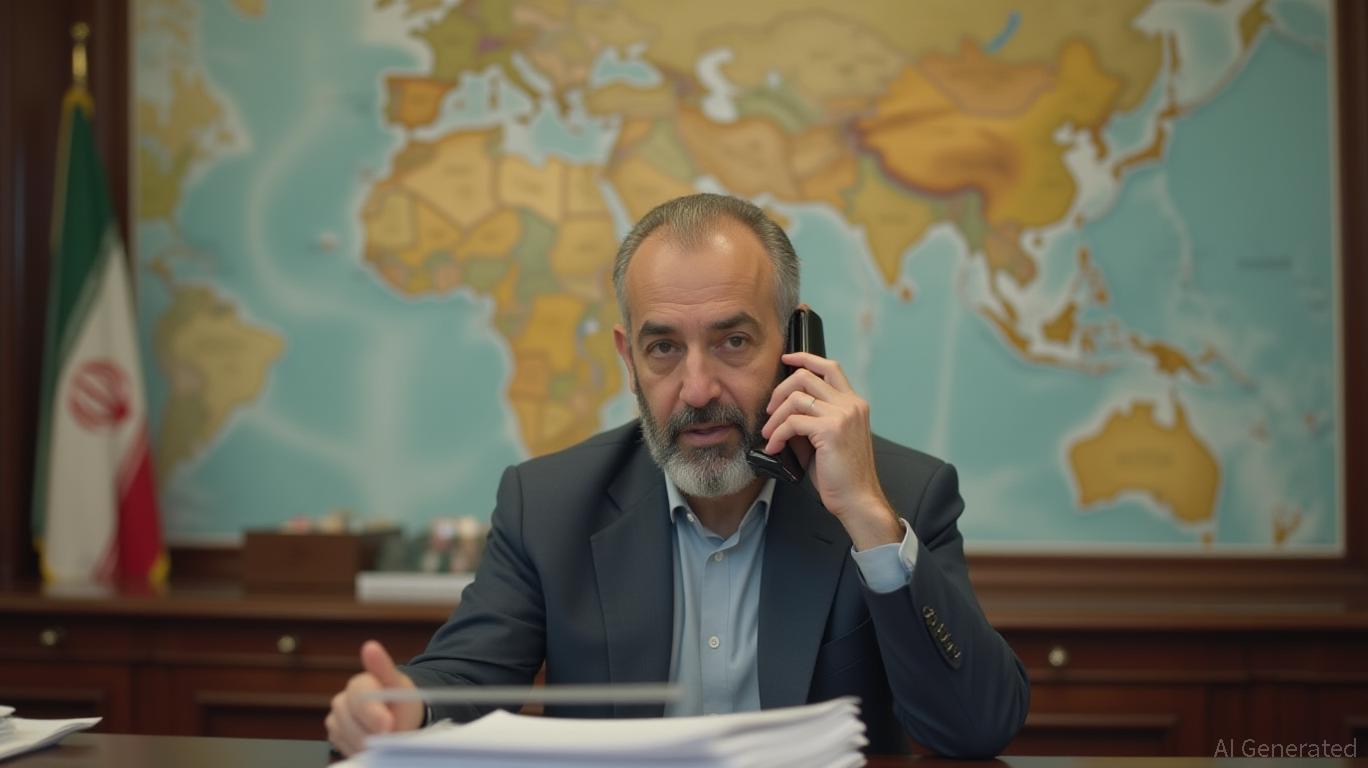
Iran deputy foreign minister Araghchi: If the final stage of negotiations is completed, the agreement would be signed remotely by both parties and the...
Iran’s Deputy Foreign Minister Abbas Araghchi has indicated that a potential agreement with the International Atomic Energy Agency (IAEA) could be finalized remotely, pending the completion of negotiations. Speaking in the context of recent discussions, Araghchi emphasized that once the final stage of negotiations is concluded, the agreement would be signed by both parties and subsequently made public. This development follows a recent agreement between the IAEA and Iran on practical modalities for resuming inspection activities in the country.
The agreement, signed by IAEA Director General Rafael Mariano Grossi and Araghchi in Cairo, outlines procedures for inspections, notifications, and implementation, all aligned with the Comprehensive Safeguards Agreement (CSA) under the Nuclear Non-Proliferation Treaty (NPT). The document addresses Iran’s concerns while maintaining its legal obligations under the NPT safeguards agreement.
The IAEA has faced significant challenges in monitoring Iran’s nuclear program since June 2025, when attacks on nuclear facilities led to the suspension of inspection activities. Iran’s parliament also passed a law suspending cooperation with the IAEA during this period. Despite these obstacles, both parties have expressed a commitment to dialogue and transparency.
Araghchi reiterated Iran’s willingness to remain within the NPT framework and continue cooperation with the international nonproliferation regime. The IAEA has welcomed this step, noting that the agreement could serve as a model for resolving complex international issues through diplomatic engagement.
The resumption of inspections is expected to facilitate greater clarity regarding Iran’s nuclear activities, particularly in light of concerns about undeclared nuclear material and activities. The agency has previously identified discrepancies in nuclear material accounting and expressed concerns over Iran’s compliance with safeguards obligations.
While the agreement does not resolve all outstanding issues, it marks a significant step toward restoring confidence in Iran’s nuclear program. The IAEA and Iran will continue to review safeguards approaches at a technical level, ensuring alignment with the rights and obligations outlined in the NPT.
For investors and financial professionals, the renewed cooperation between Iran and the IAEA may signal a shift in the geopolitical landscape, potentially influencing regional stability and international trade dynamics. However, the long-term economic implications will depend on the successful implementation of the agreement and the broader resolution of tensions in the region.