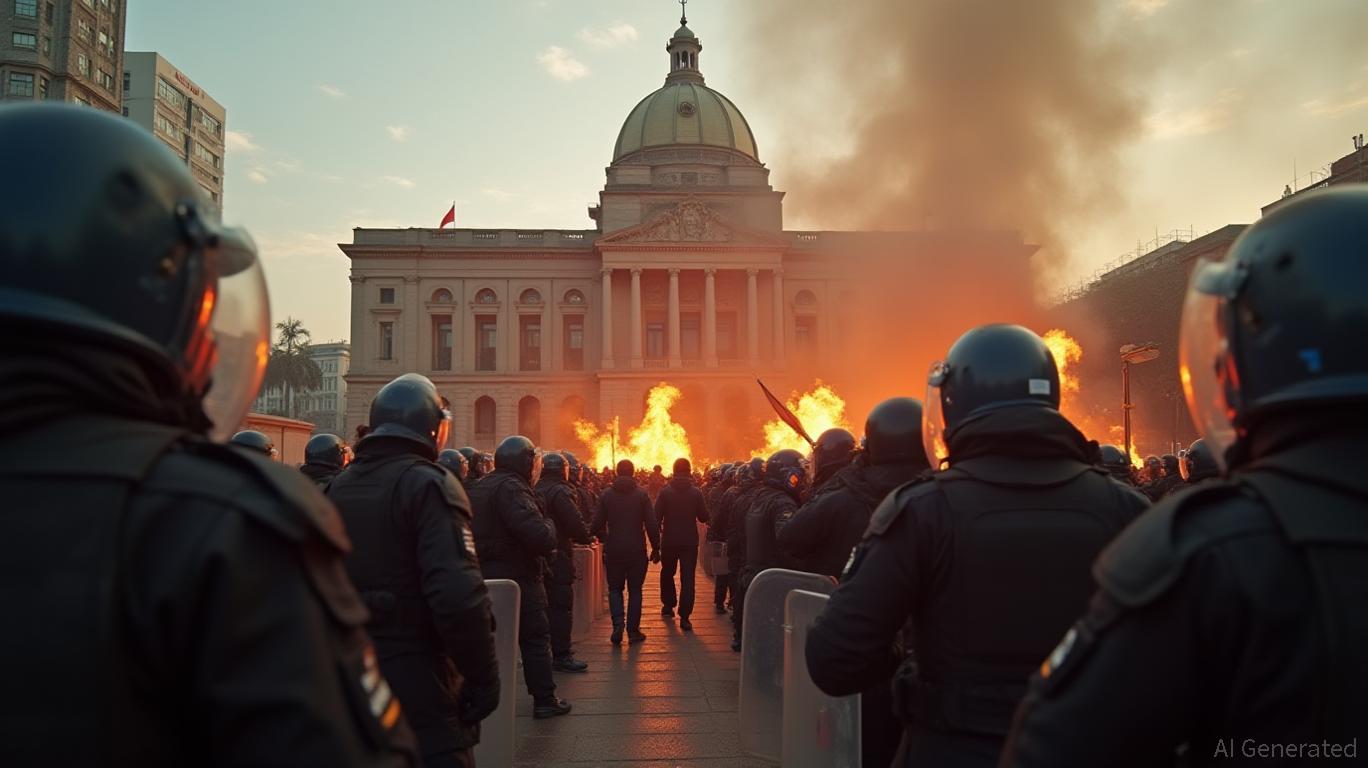
U.S. and regional countries warn that attempts to oust Bolivia's government pose a serious threat to stability, accusing a violent minority of defying...
U.S. and regional governments have expressed concern over recent developments in Bolivia, where escalating protests and political tensions threaten the country’s stability. The demonstrations, which began in response to a controversial land reform law, have expanded to include a broad coalition of groups, including Indigenous organizations, trade unions, and supporters of former President Evo Morales. These actions have raised alarms among foreign governments, who warn that the efforts to destabilize the elected government of President Rodrigo Paz could undermine democratic institutions and economic progress.
The protests have led to clashes with security forces, and disruptions to daily life in key cities such as La Paz and El Alto. While the government has managed to contain some of the unrest without significant casualties, the situation remains fragile. Critics argue that the demonstrations, driven by a minority, disregard the democratic will of the majority, who elected Paz in November 2025 amid a fragmented political landscape. The U.S. and regional partners have emphasized the importance of upholding democratic norms and the rule of law, cautioning against actions that could deepen political polarization.
Economic challenges further complicate the situation. Bolivia is grappling with its worst economic crisis in four decades, marked by high inflation, fuel shortages, and a shrinking GDP. The government’s recent decision to increase fuel prices has exacerbated public discontent, contributing to the current wave of protests. Analysts warn that prolonged instability could deter foreign investment and worsen the country’s fiscal outlook. The Arce administration, which preceded Paz, left office amid a balance of payments crisis and dwindling international reserves, raising concerns about Bolivia’s ability to manage its economic obligations.
The political crisis has also strained Bolivia’s relationships with key partners. The country’s growing reliance on Russia and China for economic support has drawn scrutiny, particularly as it seeks to develop its lithium resources amid global competition for critical minerals. U.S. officials have expressed concerns over Bolivia’s alignment with non-Western powers, highlighting the potential implications for regional security and economic integration.
As Bolivia approaches a critical juncture, the international community is closely monitoring the situation. The outcome of the political and economic challenges will likely shape the country’s trajectory in the coming years, with significant implications for regional stability and investment.