Fast formation to reinforce lithium-rich cathodes
Abstract
Formation in lithium-ion battery manufacturing typically involves low-rate charge–discharge cycles to establish stable electrode–electrolyte interfaces—a time-consuming process1,2,3,4. Here, our findings on lithium-rich layered oxide cathodes challenge the necessity of conventional formation, which can even shorten battery lifespan. Fast formation, on the other hand, reduces production cost and enhances capacity and stability. Multiscale synchrotron-based techniques show that residual lithium ions after the initial charge are critical for subsequent structural evolution and cycling performance. Deep lithium de-intercalation causes severe structural degradation and capacity loss due to the inherently fragile lithium-deficient matrix. By contrast, the residual lithium ions from fast formation enhance reversibility through a self-pinning effect, preventing pernicious lattice deformation and reinforcing the ion-storage framework. Adjusting the initial charge current density from 0.2 C to 2 C improves reversible capacity by 20% and extends cycle life by more than 36%. This approach can also be extended to other electrode systems, providing insights for more-efficient battery production.
Access Nature and 54 other Nature Portfolio journals
Get Nature+, our best-value online-access subscription
$32.99 / 30 days
cancel any time
Subscribe to this journal
Receive 52 print issues and online access
$199.00 per year
only $3.83 per issue
Buy this article
- Purchase on SpringerLink
- Instant access to the full article PDF.
USD 39.95
Prices may be subject to local taxes which are calculated during checkout
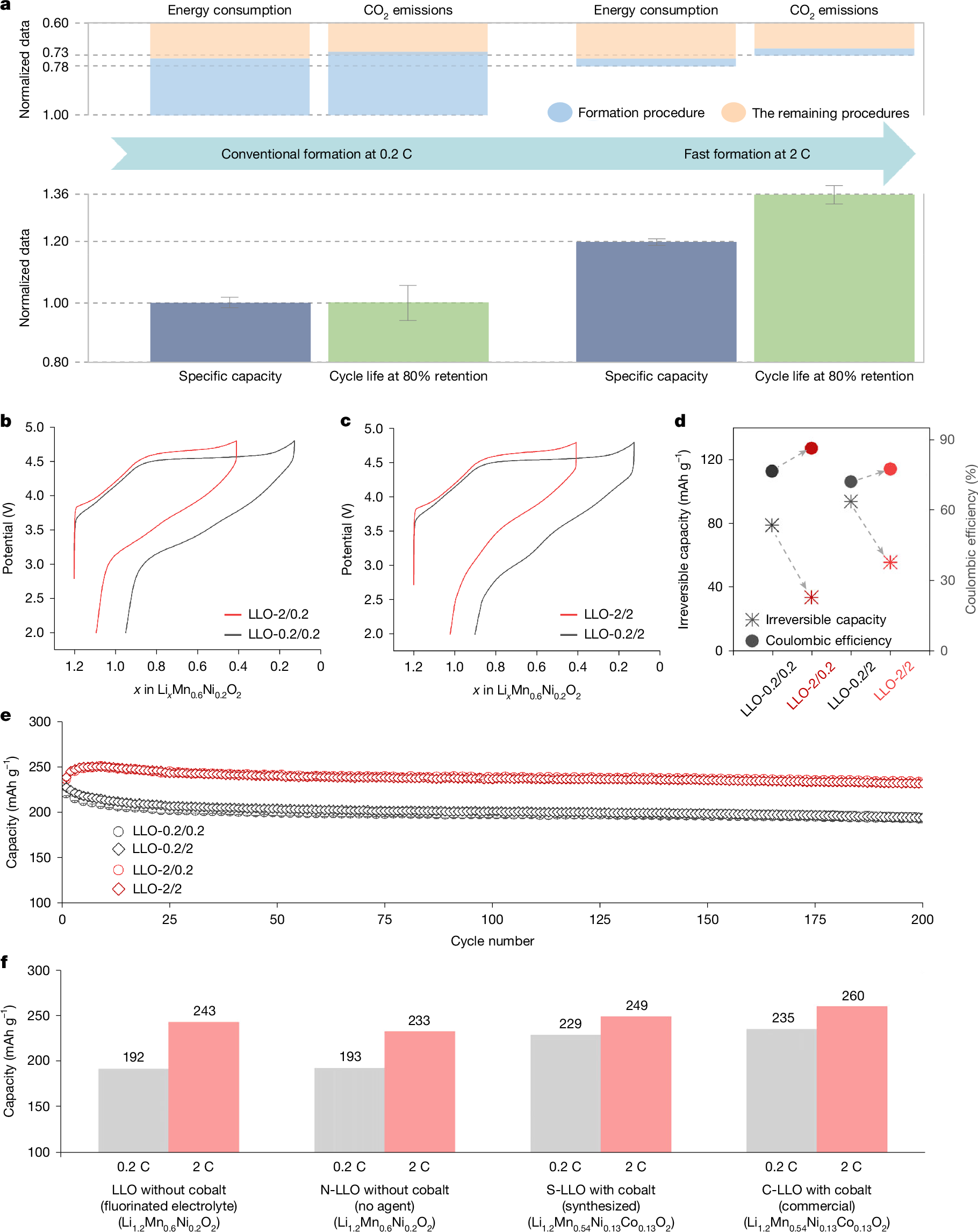 The alternative text for this image may have been generated using AI.
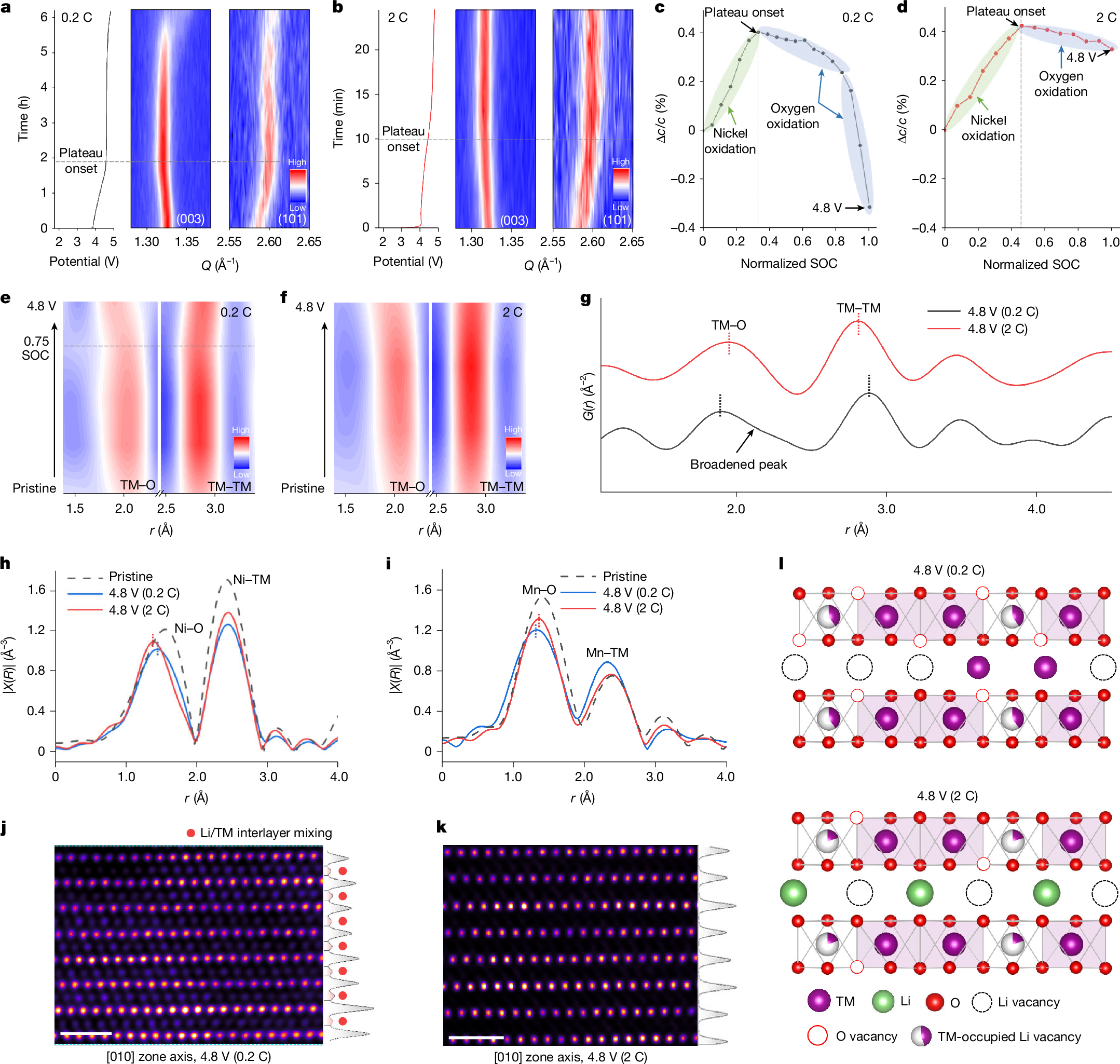 The alternative text for this image may have been generated using AI.
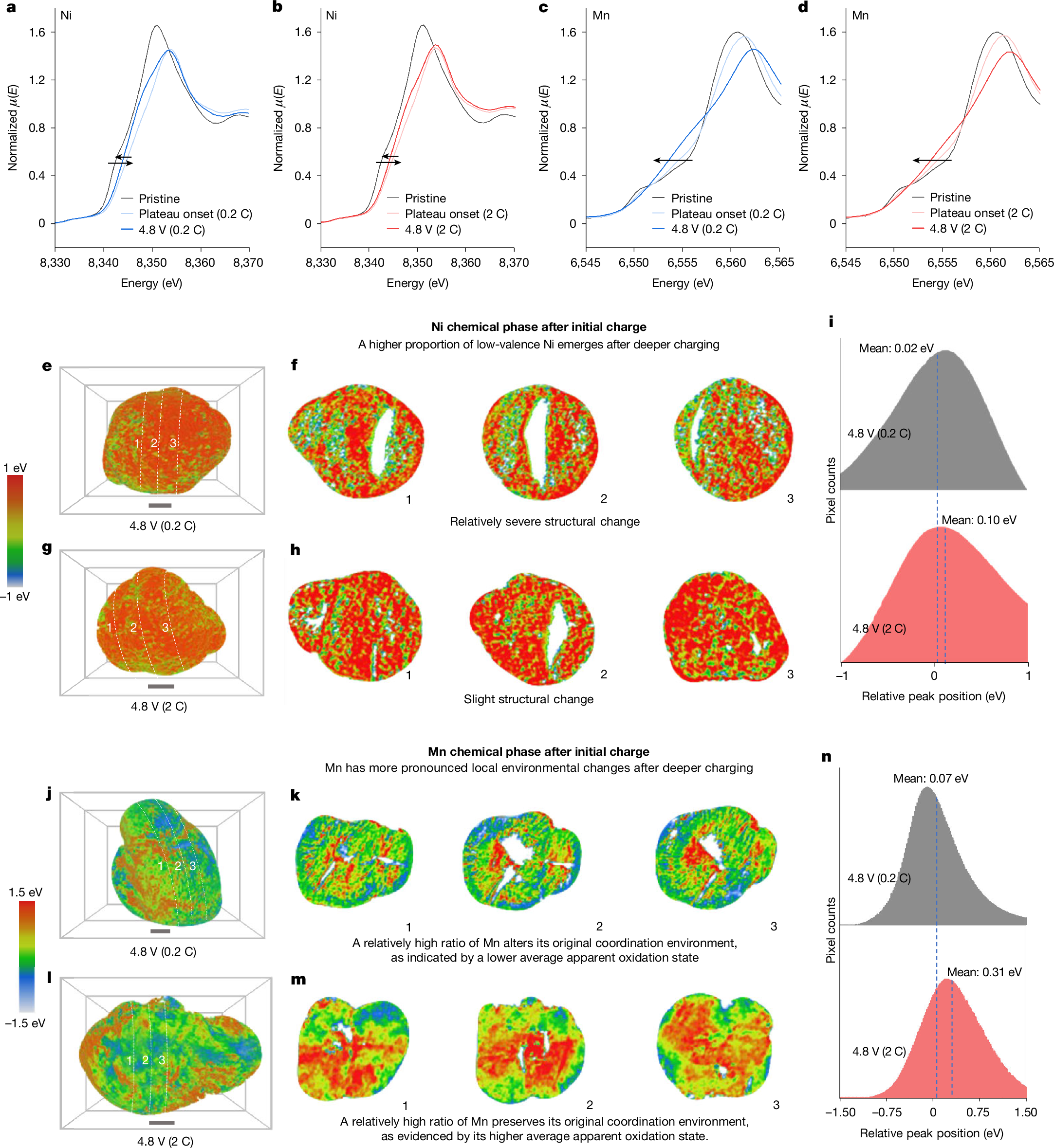 The alternative text for this image may have been generated using AI.
 The alternative text for this image may have been generated using AI.
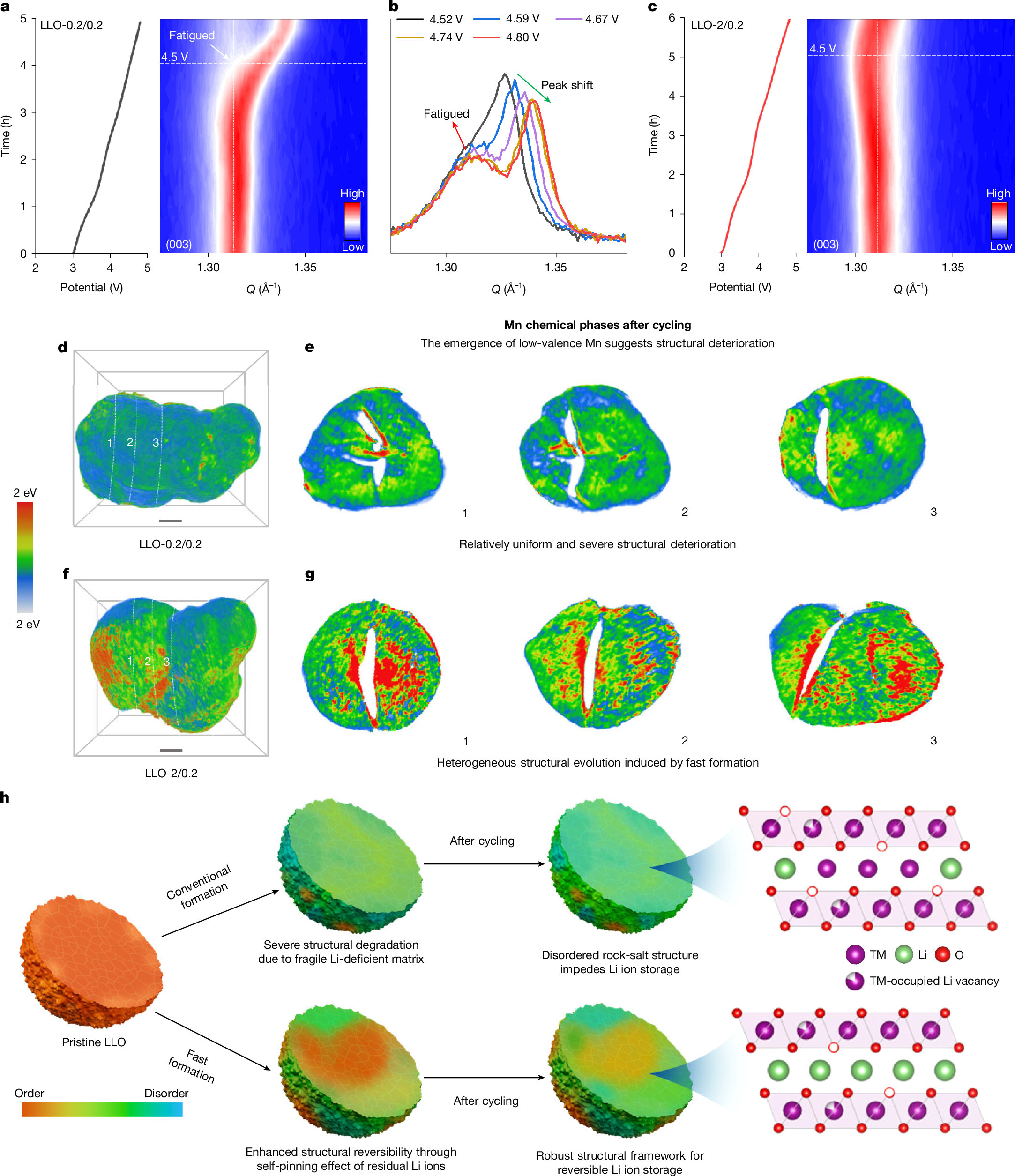 The alternative text for this image may have been generated using AI.
Data availability
All data supporting the findings of this study are available in the paper and the Supplementary Information. Source data are provided with this paper.
References
Degen, F., Winter, M., Bendig, D. & Tübke, J. Energy consumption of current and future production of lithium-ion and post lithium-ion battery cells. Nat. Energy 8, 1284–1295 (2023).
Weng, A. et al. Predicting the impact of formation protocols on battery lifetime immediately after manufacturing. Joule 5, 2971–2992 (2021).
Schomburg, F. et al. Lithium-ion battery cell formation: status and future directions towards a knowledge-based process design. Energy Environ. Sci. 17, 2686–2733 (2024).
Duffner, F. et al. Post-lithium-ion battery cell production and its compatibility with lithium-ion cell production infrastructure. Nat. Energy 6, 123–134 (2021).
Lin, D., Liu, Y. & Cui, Y. Reviving the lithium metal anode for high-energy batteries. Nat. Nanotechnol. 12, 194–206 (2017).
Cui, X. et al. Data-driven analysis of battery formation reveals the role of electrode utilization in extending cycle life. Joule 8, 3072–3087 (2024).
Manthiram, A. A reflection on lithium-ion battery cathode chemistry. Nat. Commun. 11, 1550 (2020).