A Cambrian soft-bodied biota after the first Phanerozoic mass extinction
TL;DR
The Huayuan biota, a lower Cambrian Burgess Shale-type Lagerstätte from South China, reveals a high-diversity soft-bodied ecosystem after the Sinsk extinction event. It provides insights into deep-water ecological recovery and transoceanic connections during the early Cambrian.
Key Takeaways
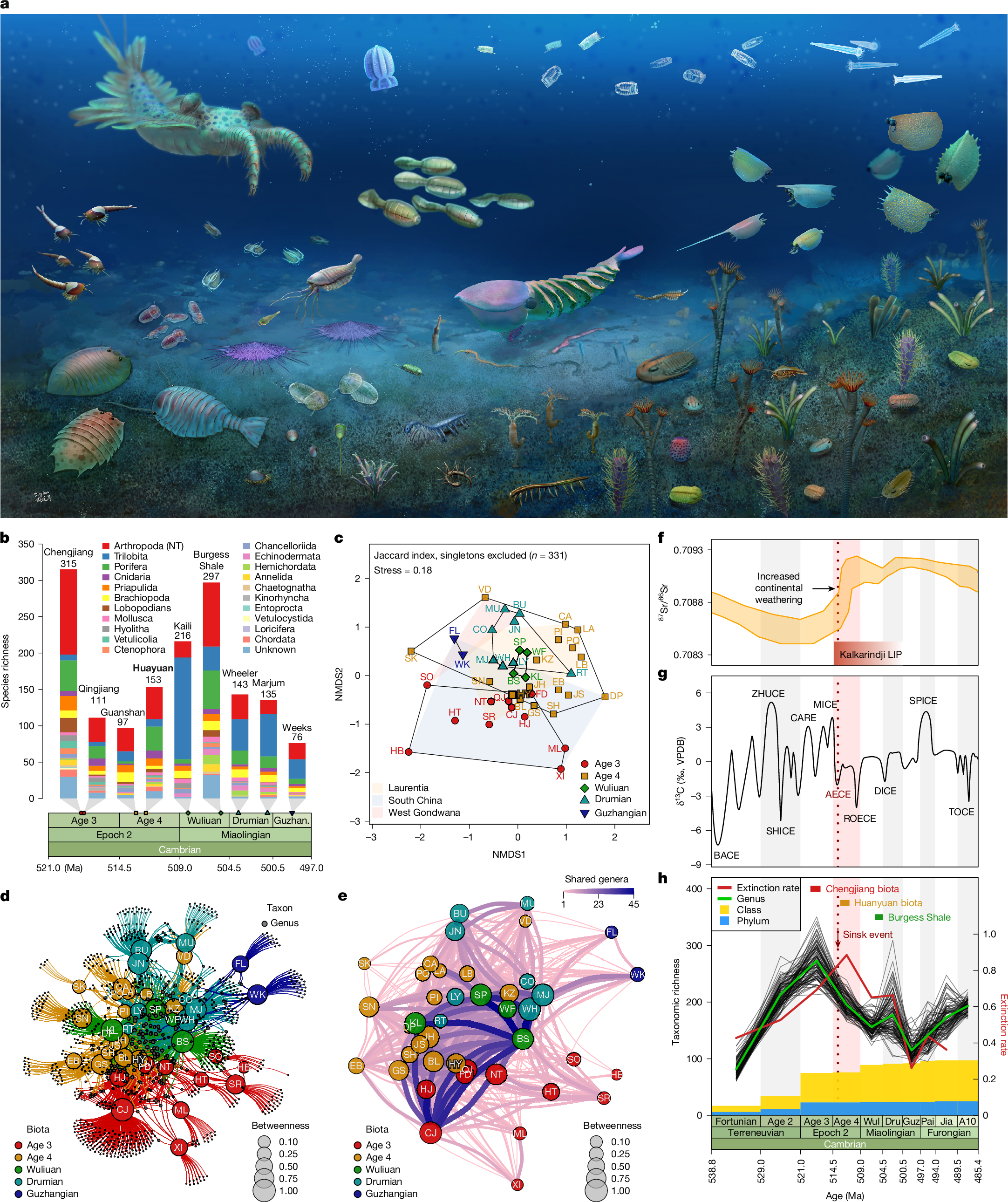
- •The Huayuan biota is a newly discovered Burgess Shale-type fossil deposit from Cambrian Stage 4 (~512 million years ago) in South China, featuring 153 animal species with 59% new to science.
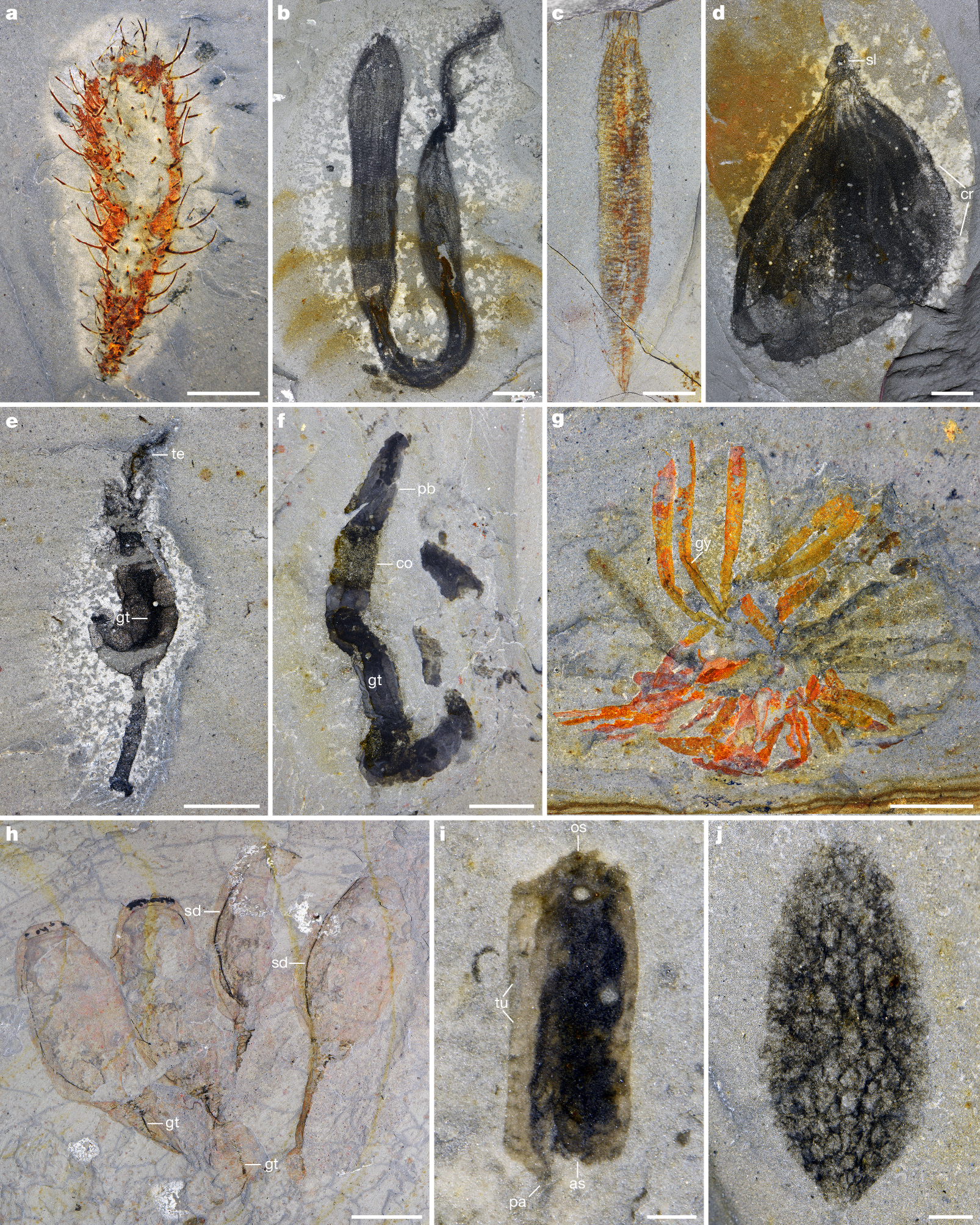
- •It fills a gap in high-diversity soft-bodied fossil records from deep-water settings, dominated by arthropods, poriferans, and cnidarians, and includes preserved cellular tissues.
- •Analysis shows it represents a key transition in marine ecosystems between Cambrian Ages 3 and 4, with faunal links to the Burgess Shale indicating transoceanic dispersal.
- •Dated shortly after the Sinsk extinction event, it highlights differential impacts of the first Phanerozoic mass extinction in shallow vs. deep-water environments.
Tags
Abstract
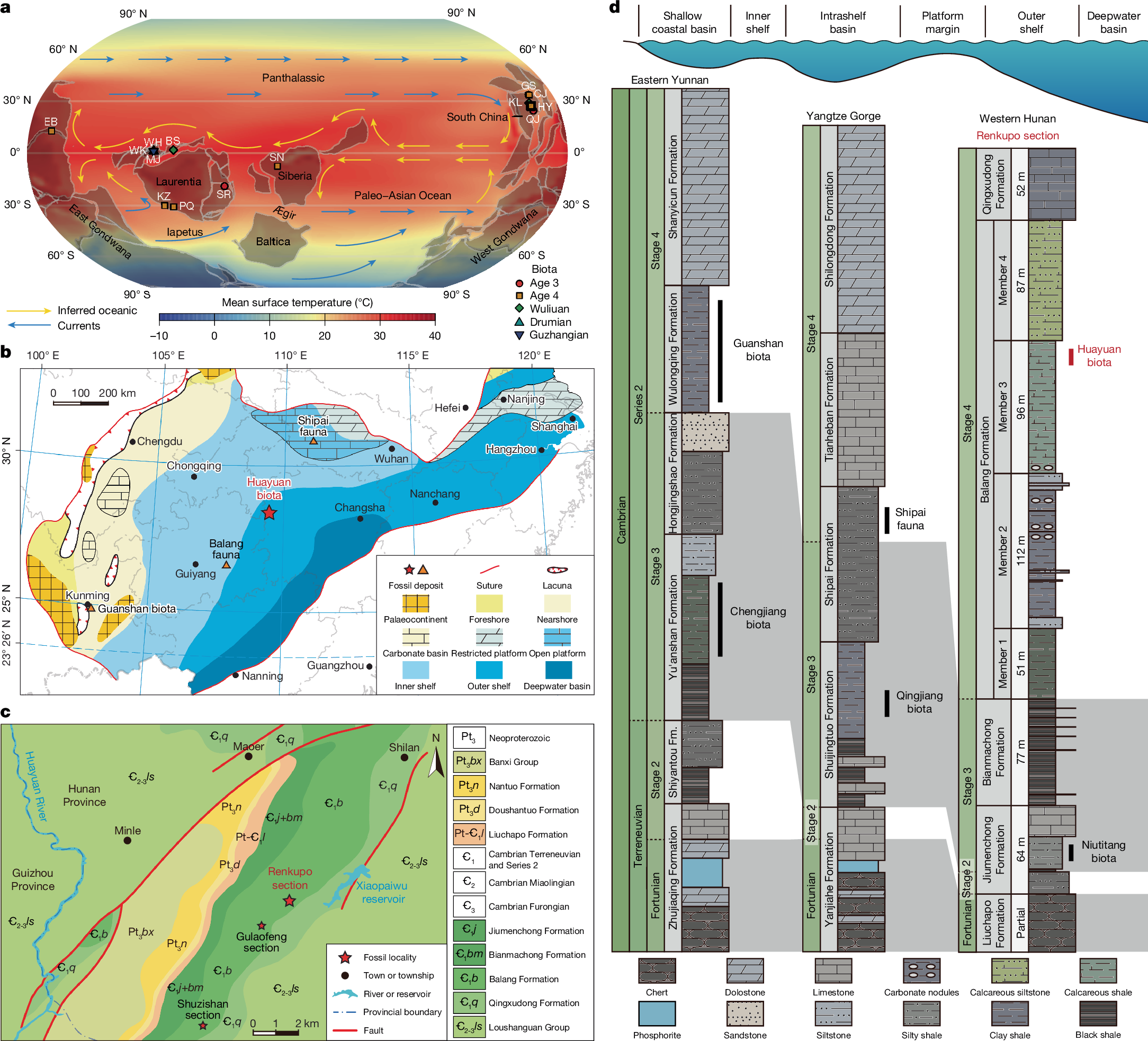
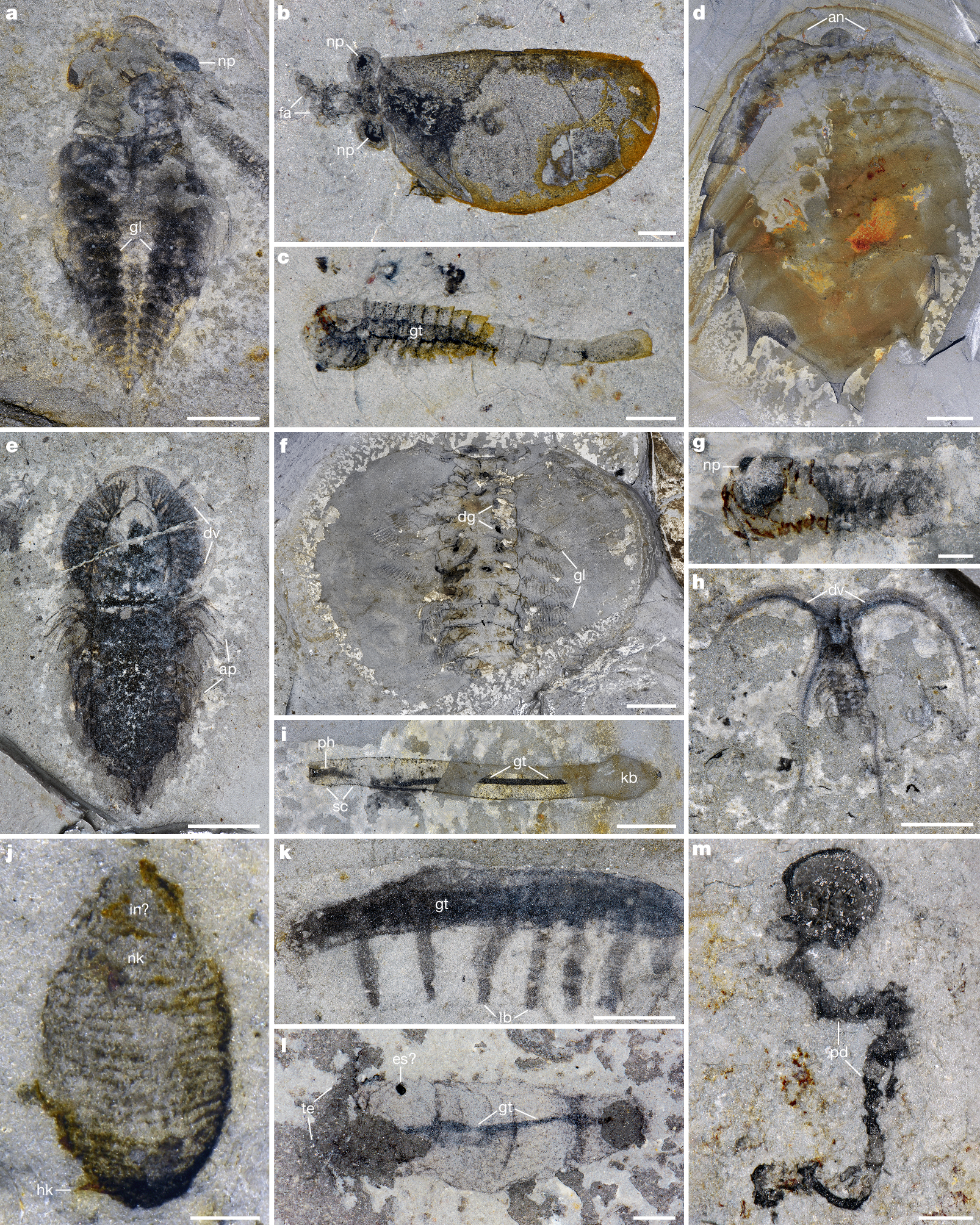
Cambrian Burgess Shale-type (BST) fossil biotas document nearly complete snapshots of the oldest Phanerozoic marine ecosystems1,2,3,4. However, the rarity of deposits bearing high-diversity BST biotas5 has restricted our understanding of the evolutionary and ecological dynamics of the Cambrian explosion. Here we report the Huayuan biota—a lower Cambrian (Stage 4, approximately 512 million years ago) BST Lagerstätte from an outer shelf, deep-water setting of the Yangtze Block in Hunan, South China. The Huayuan biota yields remarkable taxonomic richness, comprising 153 animal species of 16 phylum-level clades dominated by arthropods, poriferans and cnidarians, among which 59% of species are new. The biota is comprised overwhelmingly of soft-bodied forms that include preserved cellular tissues. The complex ecosystem contained diverse radiodonts and pelagic tunicates, filling a gap of high-diversity BST biotas from the Cambrian Stage 4. Critically, multivariate ordination based on a global dataset of Cambrian BST biotas places the Huayuan biota within a main transition of marine animal ecosystems between Cambrian Age 3 and Age 4. Network analysis reveals close faunal connections between the Huayuan and Burgess Shale biotas, indicating transoceanic dispersal. Dated shortly after the Sinsk event6,7,8, the Huayuan biota illuminates differences in the impacts of this extinction in shallow- versus deep-water settings during the first Phanerozoic mass extinction and offers critical insights into the transformation of global ecosystems in the early Cambrian.
Access Nature and 54 other Nature Portfolio journals
Get Nature+, our best-value online-access subscription
$32.99 / 30 days
cancel any time
Subscribe to this journal
Receive 51 print issues and online access
$199.00 per year
only $3.90 per issue
Buy this article
- Purchase on SpringerLink
- Instant access to the full article PDF.
USD 39.95
Prices may be subject to local taxes which are calculated during checkout
The Chengjiang Biota inhabited a deltaic environment
Combining soft-bodied and three-dimensional fossils to reveal evolutionary modifications in early lingulellotretid brachiopods
Data availability
The occurrence data for diversity analysis were downloaded from the Paleobiology Database (https://paleobiodb.org/data1.2/occs/list.csv?interval=Ediacaran,Tremadocian&show=full,classext,genus,subgenus,acconly,ident,img,etbasis,strat,lith,env,timebins,timecompare,resgroup,ref,ent,entname,crmod) on 26 February 2025. The datasets used as the source data of analyses, as well as intermediate and final results from quantitative analyses, are deposited in the Science Data Bank at https://doi.org/10.57760/sciencedb.32659. The accession numbers of fossil specimens with prefix NIGP are provided in the text. All the other data analysed in this paper are available as part of the Article, Extended Data Figs. 1–10 or Supplementary Information.
Code availability
The R code involved in the quantitative analysis is deposited in the Science Data Bank76 at https://doi.org/10.57760/sciencedb.32659 and is licensed under GPL-3.
References
Erwin, D. H. & Valentine, J. W. The Cambrian Explosion: The Construction of Animal Biodiversity (Roberts & Company, 2013).
Briggs, D. E. G. The Cambrian explosion. Curr. Biol. 25, R864–R868 (2015).
Conway Morris, S. Burgess Shale faunas and the Cambrian explosion. Science 246, 339–346 (1989).
Butterfield, N. J. Exceptional fossil preservation and the Cambrian explosion. Integr. Comp. Biol. 43, 166–177 (2003).