Soft biodegradable implants for long-distance and wide-angle sensing
TL;DR
Researchers developed a soft, biodegradable wireless sensor that monitors pressure, temperature, and strain over distances up to 16 cm with wide-angle readout. It uses a 'pole-moving sweeping' system and folded structure for flexibility and stable communication, demonstrated in vivo in horses.
Key Takeaways
- •A soft, biodegradable implant enables wireless monitoring of pressure, temperature, and strain over long distances (up to 16 cm) without strict positional control.
- •The device uses a 'pole-moving sweeping' readout system combined with a folded structure to integrate mechanical flexibility with electromagnetic function.
- •In vivo tests in horses reliably captured deep-tissue pressure and temperature, showing translational promise for accessing deep-tissue physiological signals.
- •Addresses limitations of conventional implants (batteries/magnets) and existing biodegradable sensors (short readout distances, unstable communication).
Tags
Abstract
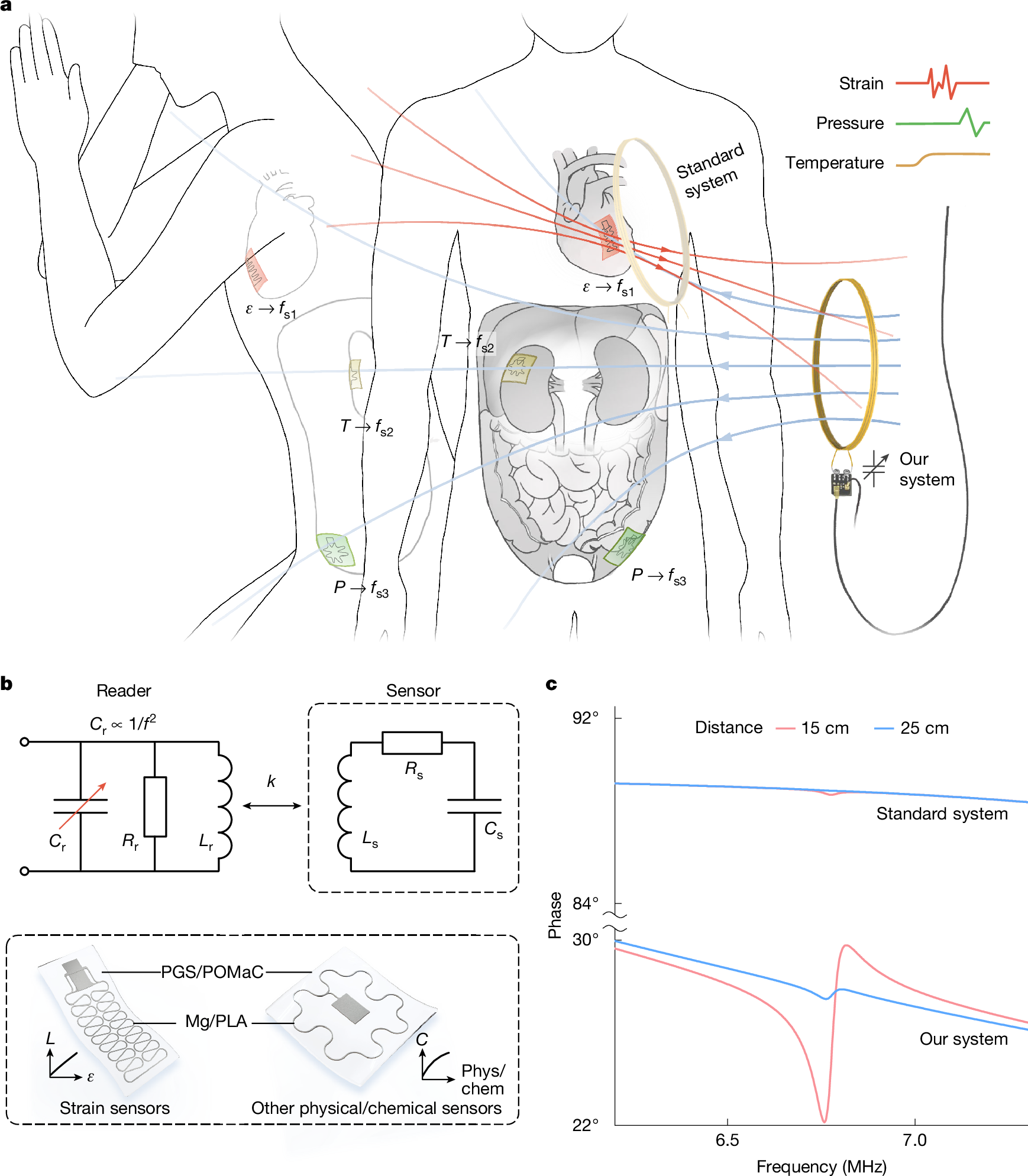
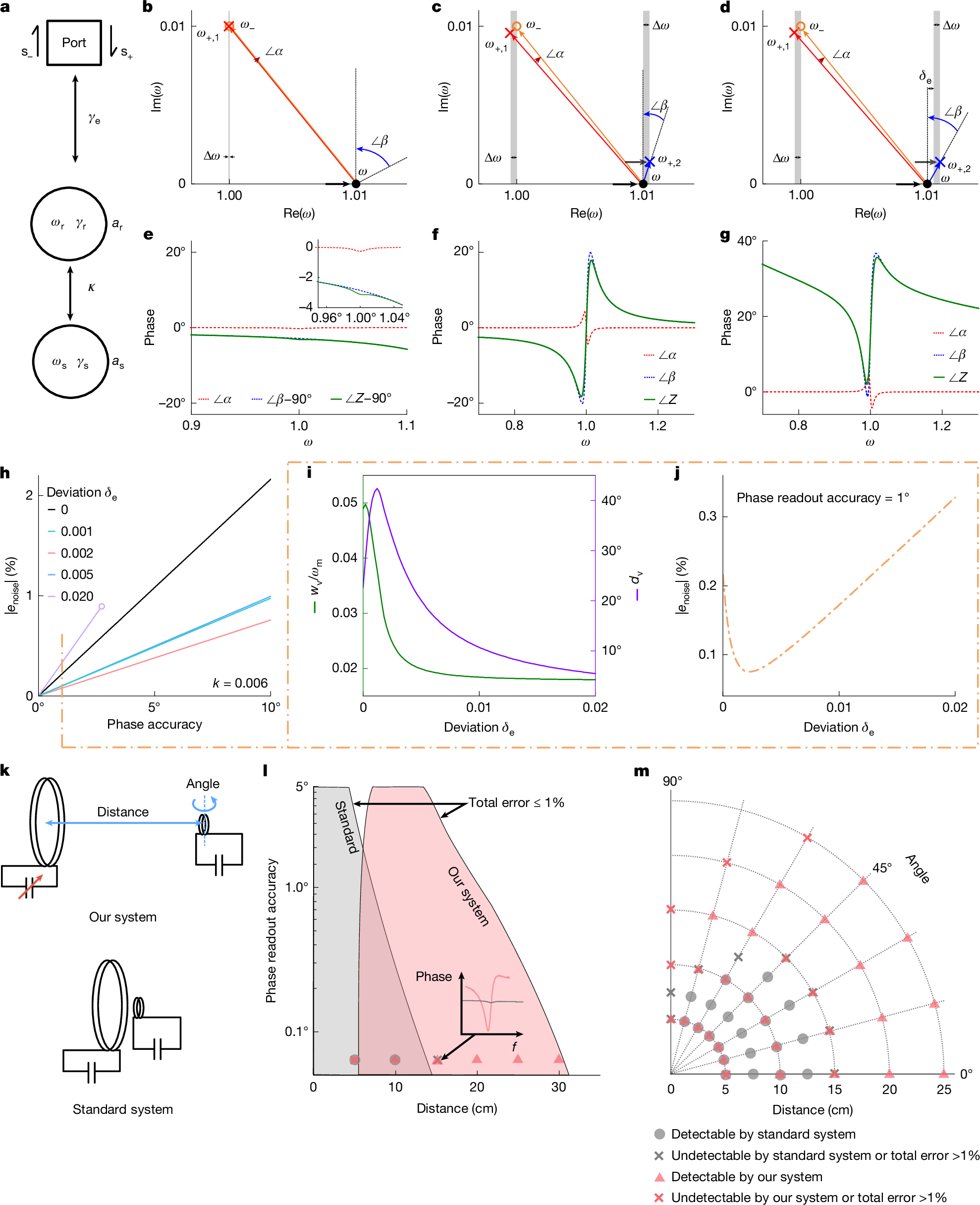
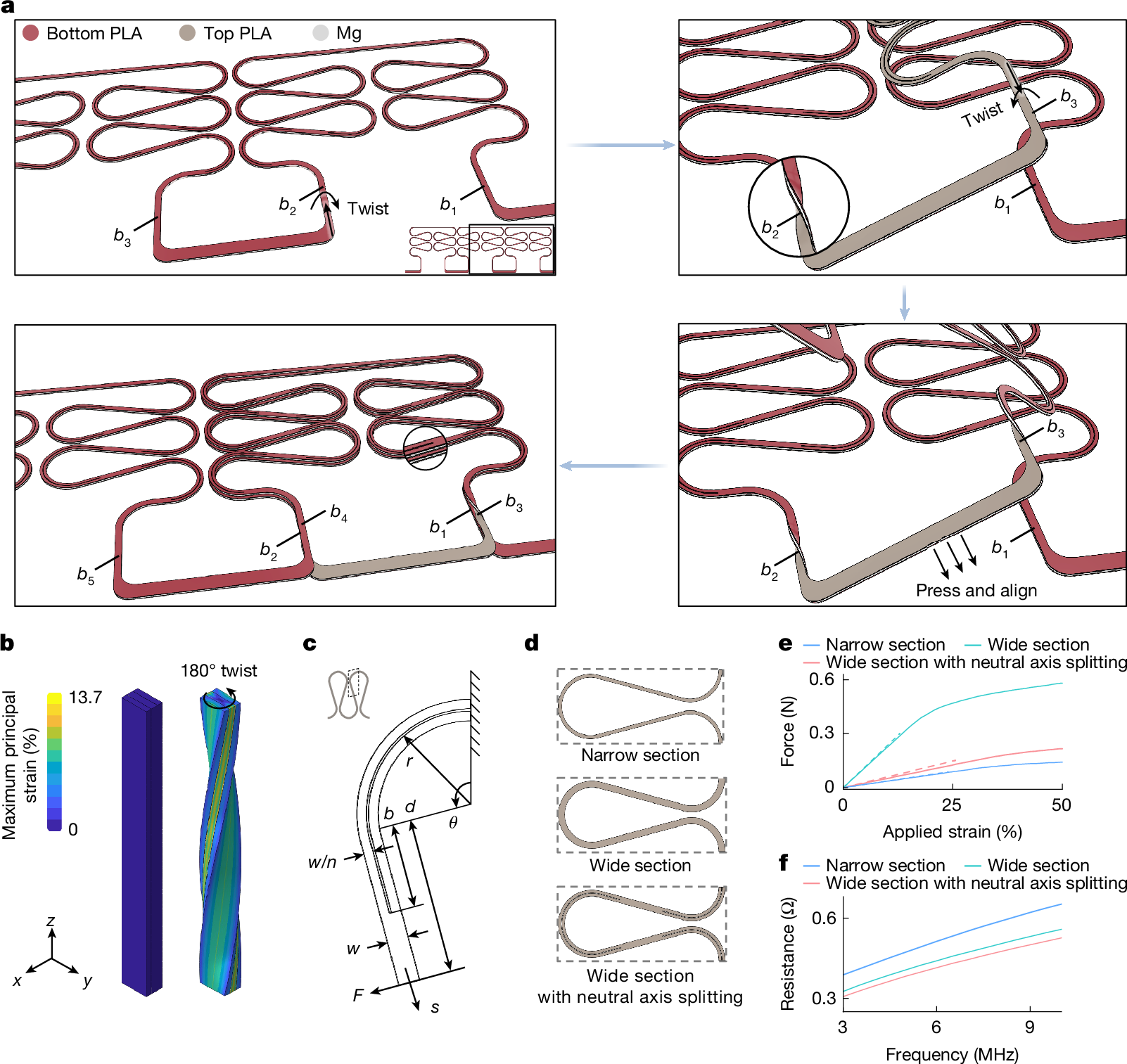
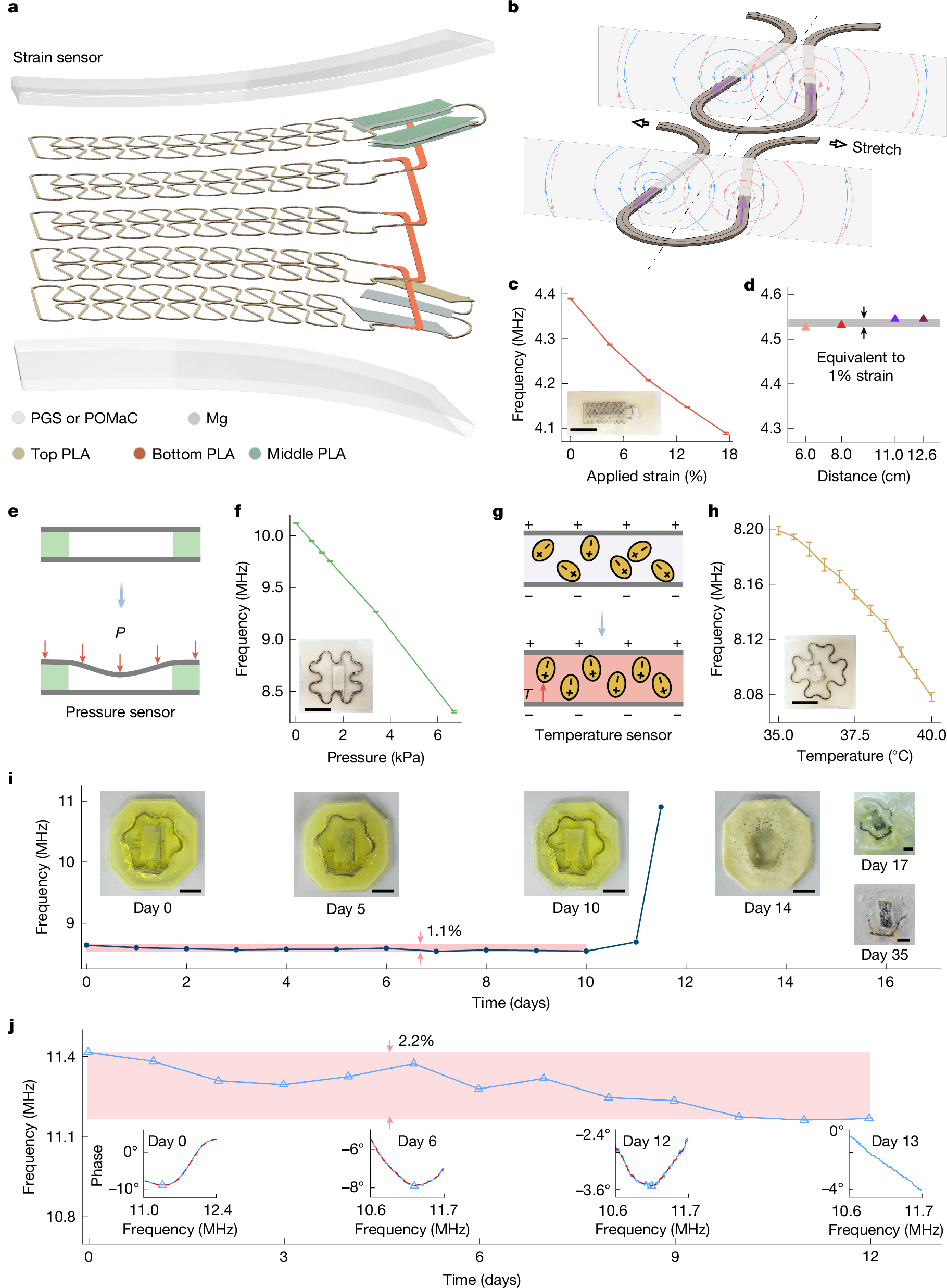
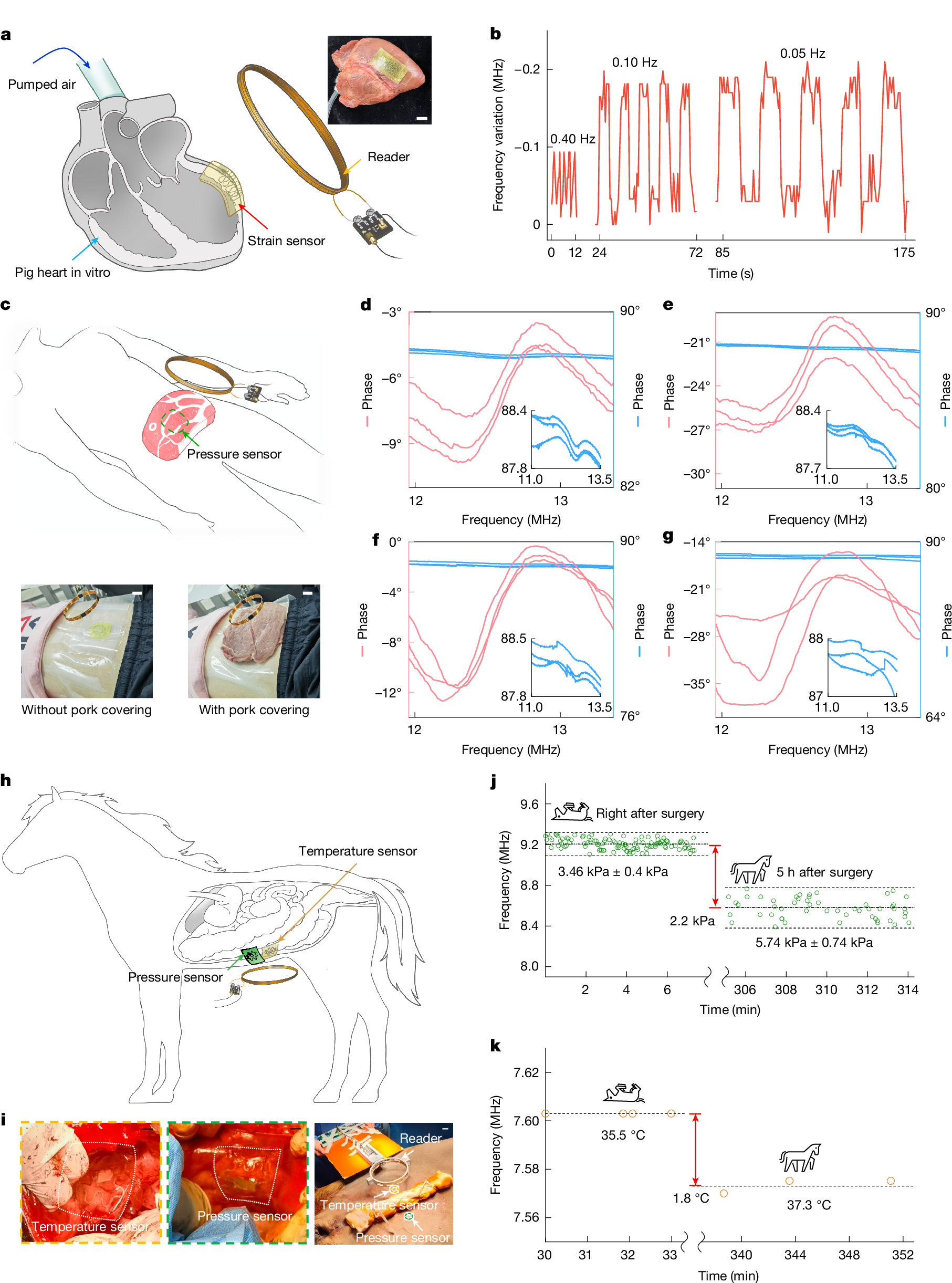
Monitoring internal physiological signals is essential for effective medical care1, yet most current technologies rely on external measurements or imaging systems that cannot capture enough deep-tissue dynamics2,3,4,5,6. Implantable devices offer a solution, but conventional designs often require batteries or magnets7,8,9,10,11, which carry risks during removal, and existing biodegradable sensors based on passive inductor–capacitor circuits are limited by short readout distances and unstable communication issues12,13,14,15,16,17,18,19. Here we describe a soft, biodegradable, wireless sensing device that can monitor pressure, temperature and strain over long distances (up to 16 cm), maintaining accuracy across varying positions and angles. This is achieved through a ‘pole-moving sweeping’ readout system combined with a folded structure that integrates mechanical flexibility with electromagnetic function. In vivo tests in the abdominal cavity of horses reliably captured deep-tissue pressure and temperature, and ex vivo measurements demonstrated accurate strain monitoring without strict positional control. The long-distance and wide-angle readout of soft biodegradable implants holds translational promise for accessing deep-tissue physiological signals.
Access Nature and 54 other Nature Portfolio journals
Get Nature+, our best-value online-access subscription
$32.99 / 30 days
cancel any time
Subscribe to this journal
Receive 51 print issues and online access
$199.00 per year
only $3.90 per issue
Buy this article
- Purchase on SpringerLink
- Instant access to the full article PDF.
USD 39.95
Prices may be subject to local taxes which are calculated during checkout
Rapid custom prototyping of soft poroelastic biosensor for simultaneous epicardial recording and imaging
Data availability
The data that support the findings of this study are available in the paper, Supplementary Information and source data. Source data are provided with this paper.
Code availability
Custom codes for collection of the phase–frequency response data are available at GitHub (https://github.com/lanyuqun/Long-distance-wireless-sensing-platform).
References
Lin, M. Y., Hu, H. J., Zhou, S. & Xu, S. Soft wearable devices for deep-tissue sensing. Nat. Rev. Mater. 7, 850–869 (2022).
Suetens, P. Fundamentals of Medical Imaging 3rd edn (Cambridge Univ. Press, 2017).